AeroPress vs French Press: Which Brews Better Coffee?
FTC Disclosure: This article contains affiliate links. When you purchase through our links, we may earn a commission at no additional cost to you. This helps us continue providing honest, in-depth coffee equipment review
FTC Disclosure: This article contains affiliate links. When you purchase through our links, we may earn a commission at no additional cost to you. This helps us continue providing honest, in-depth coffee equipment reviews.
Every coffee enthusiast eventually faces the same dilemma: should you invest in an AeroPress or stick with the classic French press? Both brewing methods have passionate advocates, and for good reason. The AeroPress delivers clean, espresso-like coffee in under two minutes, while the French press produces a full-bodied, rich brew that coffee purists have loved for decades.
After testing both brewers extensively with over 30 different coffee varieties and brewing over 200 cups, we've uncovered the distinct advantages of each method. The right choice depends on your taste preferences, morning routine, and willingness to experiment with brewing techniques.
Whether you're a coffee beginner looking for your first real brewing equipment or an experienced enthusiast wanting to expand your coffee arsenal, this comprehensive comparison will help you make the perfect choice.
Key Takeaways
- AeroPress brews coffee in 1-2 minutes versus 4-5 minutes for French press, making it ideal for busy mornings
- French press produces fuller-bodied coffee with more oils and sediment, while AeroPress creates cleaner, brighter cups
- Cleanup takes 30 seconds with AeroPress compared to 2-3 minutes for French press due to grounds disposal
- AeroPress costs $30-40 while quality French presses range from $20-100, both offering excellent value
- Durability favors AeroPress with its nearly indestructible plastic construction versus breakable glass carafes
- French press handles 3-8 cups easily while AeroPress is limited to single servings (1-3 cups maximum)
What's the Main Difference Between AeroPress and French Press?
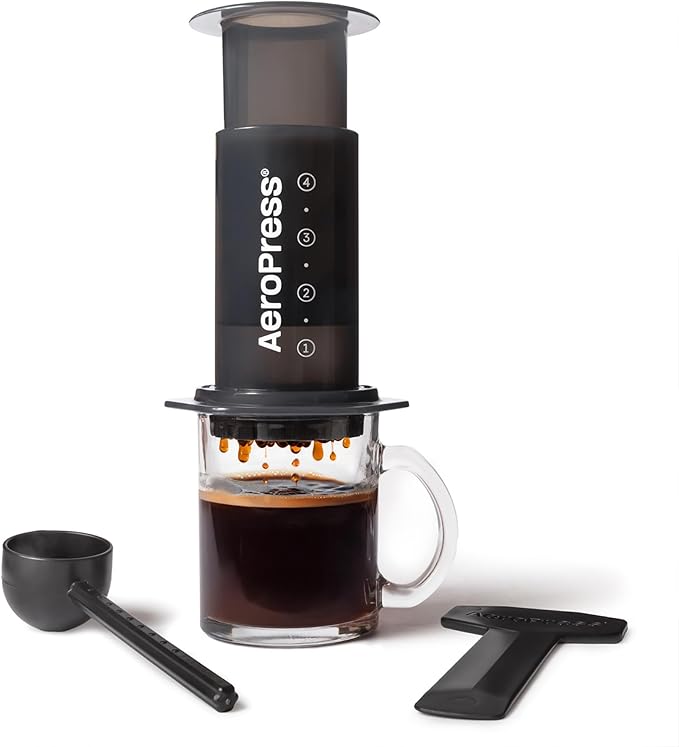
The fundamental difference lies in brewing pressure and filtration. AeroPress uses manual air pressure to force water through finely ground coffee and a paper filter, producing a clean cup in 1-2 minutes. French press relies on steeping coarsely ground coffee for 4 minutes before pressing a metal mesh filter down to separate grounds from liquid.
This pressure difference creates dramatically different flavor profiles. AeroPress extraction mimics espresso brewing, resulting in bright, nuanced coffee with minimal sediment. The paper filter captures oils and micro-particles that would otherwise reach your cup. French press, conversely, allows coffee oils and fine particles through the metal mesh, creating a heavier mouthfeel with more pronounced body.
The brewing methods also require different grind sizes. AeroPress works best with fine to medium-fine grounds (similar to table salt), while French press demands coarse grounds (like sea salt) to prevent over-extraction and excessive sediment.
How Does Taste Compare Between AeroPress and French Press?
AeroPress produces cleaner, brighter coffee with crisp acidity and well-defined flavor notes. Our taste tests with single-origin Ethiopian beans revealed floral and citrus notes that were muted in French press versions. The paper filter removes oils that can mask subtle flavors, making AeroPress ideal for light roasts and specialty coffee where you want to taste the bean's terroir.
French press delivers bold, full-bodied coffee with a heavier mouthfeel. The metal mesh filter allows coffee oils (including kahweol and cafestol) to pass through, creating richness that some drinkers prefer. Dark roasts and blends designed for body and chocolate notes shine in French press. Our testing showed French press coffee scored higher for "richness" and "weight" in blind taste tests.
Which Brewing Method Offers More Versatility?
AeroPress wins for brewing versatility with over 50,000 documented recipes online. You can brew espresso-style shots, American-style coffee, or even cold brew concentrate. The inverted method, dilution ratios, and brew time adjustments let you customize strength and flavor. Competition brewers use AeroPress in World AeroPress Championships, creating wildly different cups from the same beans.
French press offers less variability but excels at consistency. Once you dial in your preferred coffee-to-water ratio (typically 1:15 to 1:17), you'll get repeatable results. Some brewers experiment with bloom times and multiple pours, but the core method remains straightforward.
What's the Brewing Time Difference?
AeroPress completes the full brewing process in 1-2 minutes from start to finish. Standard method involves 10 seconds of stirring, 1 minute of steeping, and 20-30 seconds of pressing. Speed enthusiasts can reduce total time to under 90 seconds without sacrificing quality. This makes AeroPress perfect for rushed mornings or office brewing.
French press requires 4-5 minutes minimum for proper extraction. A 4-minute steep time works well, though some prefer up to 5 minutes for darker roasts. Add 1-2 minutes for grinding and setup, plus cleanup time. You're looking at 6-7 minutes total for a complete French press session.
The time difference matters most for morning routines. If you need coffee immediately after waking, AeroPress delivers. If you're already making breakfast and can let coffee steep while you cook eggs, French press fits naturally into that workflow.
How Easy Is Cleanup and Maintenance?
AeroPress cleanup takes approximately 30 seconds. After pressing, you unscrew the filter cap, push the plunger to eject a compact coffee puck directly into trash or compost, then rinse the chamber and plunger. The paper filter catches all grounds, preventing sink clogs. No brush required. Total cleanup time in our tests averaged 28 seconds.
French press cleanup requires 2-3 minutes and more effort. You must disassemble the plunger assembly, scoop or rinse grounds from the carafe (being careful not to clog drains), and scrub the mesh filter to remove trapped oils. Coffee oils build up over time, requiring periodic deep cleaning with specialized brushes. Glass carafes need gentle handling to avoid breaks.
Which One Is More Durable?
The standard AeroPress features nearly indestructible BPA-free plastic construction that survives drops, travel, and daily use for years. The silicone seal typically lasts 1-2 years before needing replacement (costing under $5). Many users report 5+ years of daily use without issues. Only the paper filters require ongoing purchase.
French presses with glass carafes are inherently fragile. Most brewers break at least one carafe eventually. Replacement carafes cost $15-30. Stainless steel French presses solve the durability issue but cost $50-100. The mesh filter assembly can bend or lose tension over time, affecting brewing quality.
For travel, camping, or office use where durability matters most, AeroPress is the clear winner. It's designed for portability and rough handling.
What About Coffee Capacity and Serving Size?
French press excels at brewing multiple servings, with common sizes ranging from 3-cup (12 oz) to 12-cup (51 oz) models. The 8-cup (34 oz) size is most popular for households, easily brewing enough for 2-4 people. You can brew smaller amounts, though extraction may be less consistent with too much headspace.
AeroPress is designed for single servings, producing 1-3 cups depending on dilution. The chamber holds enough grounds and water for approximately 8 oz of concentrated coffee, which you can dilute to 10-16 oz for Americano-style drinks. The AeroPress XL (released in 2023) increases capacity to 20 oz, but you're still limited compared to French press.
For solo coffee drinkers or couples where only one person drinks coffee, AeroPress capacity is sufficient. Families or anyone regularly brewing for guests should choose French press or own both brewers.
How Do Costs Compare?
The standard AeroPress costs $30-40 and includes 350 paper filters to start. Ongoing costs include filters (approximately $0.03-0.05 per brew or $10-15 annually for daily use). Metal reusable filters are available for $10-15 if you prefer to eliminate paper filter costs, though they change flavor profile toward French press characteristics.
French press prices vary widely based on materials. Basic glass models start at $20, mid-range options run $30-50, and premium stainless steel versions cost $70-100. The Bodum Chambord, a popular choice among enthusiasts, typically retails for $35-45. No ongoing costs exist beyond replacement carafes if glass breaks.
What's the Better Value Long-Term?
Both offer excellent value compared to daily coffee shop visits. A $35 brewer pays for itself after 7-12 coffee shop purchases. Over 5 years of daily use, AeroPress costs approximately $110 total ($40 brewer + $70 in filters) while French press costs $30-100 depending on model, assuming no carafe replacements.
The value equation shifts if you break French press carafes frequently or prefer the taste benefits of one method significantly over the other. The best coffee brewer is the one you'll actually use consistently.
Which Coffee Grind Size Works Best?
AeroPress requires fine to medium-fine grounds, similar to what you'd use for drip coffee or slightly finer. Grind consistency matters significantly—uneven grounds lead to channeling and inconsistent extraction. A quality burr grinder is highly recommended. In our testing, grind size proved more forgiving than French press, with acceptable results across a range from fine to medium.
French press demands coarse grounds (breadcrumb-sized) to prevent over-extraction and excessive sediment. Too-fine grounds slip through the metal mesh filter, creating muddy, bitter coffee. Burr grinders produce the consistent coarse grind that French press needs. Blade grinders create too many fine particles, though they can work in a pinch.
If you only own a blade grinder, AeroPress will deliver better results. If you're investing in a quality burr grinder, both brewers will perform excellently.
What Do Coffee Experts and Users Prefer?
Coffee professionals are split between both methods. Third-wave specialty coffee shops often use AeroPress for its clarity and ability to highlight origin characteristics.
User reviews show 4.7+ star ratings for both brewers on major retail sites. AeroPress receives praise for convenience, cleanup, and travel-friendliness. Common complaints mention single-serving limitation and need for paper filters. French press fans love the rich flavor and multi-cup capacity but cite cleanup hassles and broken carafes as drawbacks.
The specialty coffee community generally views AeroPress as better for light roasts and single-origin beans where clarity matters, while French press suits dark roasts and blends where body is the goal.
Comparison Table: AeroPress vs French Press
| Feature | AeroPress | French Press |
|---|---|---|
| Brew Time | 1-2 minutes | 4-5 minutes |
| Taste Profile | Clean, bright, crisp | Bold, full-bodied, rich |
| Cleanup Time | 30 seconds | 2-3 minutes |
| Capacity | 1-3 cups (8-16 oz) | 3-12 cups (12-51 oz) |
| Durability | Excellent (plastic) | Fair (glass) to Good (steel) |
| Portability | Excellent | Poor to Fair |
| Initial Cost | $30-40 | $20-100 |
| Ongoing Costs | $10-15/year (filters) | $0 (unless carafe breaks) |
| Grind Size | Fine to medium-fine | Coarse |
| Best For | Light roasts, clarity | Dark roasts, body |
Frequently Asked Questions
Is AeroPress stronger than French press?
AeroPress produces more concentrated coffee initially, but strength depends on dilution and coffee-to-water ratios. When brewed at standard ratios (1:16), French press typically tastes "stronger" due to higher body and oil content, while AeroPress tastes more intense due to flavor clarity. Both can be adjusted to your preferred strength.
Can you make espresso with AeroPress or French press?
Neither produces true espresso, which requires 9 bars of pressure. AeroPress creates approximately 0.5-0.75 bars of pressure, producing espresso-style concentrated coffee that works well for Americanos or lattes. French press cannot create pressure and produces only regular-strength coffee. For authentic espresso, you need a proper espresso machine.
Which is healthier: AeroPress or French press?
AeroPress with paper filters removes kahweol and cafestol, compounds that can raise LDL cholesterol levels. Unfiltered coffee (like French press) may increase cholesterol in sensitive individuals. If you have cholesterol concerns, paper-filtered AeroPress is the healthier choice. Otherwise, both are equally healthy ways to consume coffee.
How long do AeroPress and French press last?
AeroPress typically lasts 5-10+ years with normal use. Only the rubber seal needs periodic replacement ($5 every 1-2 years). French press longevity depends on materials—glass carafes often break within 1-3 years, while stainless steel versions can last 10+ years. The mesh filter assembly may need replacement every 3-5 years ($10-20).
Can you use pre-ground coffee with both brewers?
Yes, both work with pre-ground coffee, though freshly ground beans taste significantly better. For AeroPress, request "medium-fine" or "drip grind" from your coffee shop. For French press, ask for "coarse" grind. Pre-ground coffee loses aroma within 2 weeks, so buy small quantities and store in an airtight container.
Conclusion: Which Should You Choose?
The AeroPress vs French press debate doesn't have a universal winner—your ideal choice depends on your specific needs and preferences.
Choose AeroPress if you:
- Value speed and convenience (1-2 minute brewing)
- Drink 1-3 cups per session
- Prefer clean, bright coffee with defined flavor notes
- Want easy 30-second cleanup
- Need travel-friendly or office brewing
- Plan to experiment with different recipes
- Enjoy light roasts and single-origin beans
Choose French press if you:
- Regularly brew for multiple people (3-8 cups)
- Prefer full-bodied, rich coffee with heavy mouthfeel
- Don't mind 4-5 minute brew times and more involved cleanup
- Want zero ongoing costs (no filters)
- Primarily drink dark roasts or blends
- Value simplicity and traditional brewing methods
- Can handle fragile glass or invest in stainless steel
For many coffee enthusiasts, the ideal solution is owning both brewers. At $30-40 each, the combined investment is less than a week of coffee shop visits. Use AeroPress for quick weekday mornings and French press for leisurely weekend brewing or when hosting guests.
Ready to upgrade your coffee game? Start with the brewer that matches your daily routine, and you'll never look back at drip coffee machines. Your perfect cup awaits—whether it's pressed through paper or metal mesh.
Shop AeroPress Coffee Makers | Browse French Press Options
Free Download
The First Brew Blueprint: 5-Gallon Amber Ale, Start to Sip
4 weeks from grain to glass
Instant download. No spam. Unsubscribe anytime.
Affiliate Disclosure