Best Drip Coffee Makers in 2026: SCA-Certified Picks
We may earn a commission if you make a purchase through our links.
SCA-certified drip coffee makers meet rigorous brewing standards that most cheap machines fail. The best options from $80 to $310 including Moccamaster, Breville, Bonavita, and OXO.
By [Your Name], Coffee Equipment Specialist
Free: The First Brew Blueprint: 5-Gallon Amber Ale, Start to Sip
4 weeks from grain to glass
“A great cup of coffee starts the day, but a great coffee maker makes every day great.”
The Specialty Coffee Association (SCA) has long been the gold standard for evaluating coffee preparation methods. In 2026, the SCA’s “Certified Home Brewing” program has become a decisive buying signal for home baristas who want consistency, flavor, and scientific precision without stepping into a professional lab.
No spam. Unsubscribe anytime.
Below you’ll find an authoritative, SEO‑optimized guide that expands on the 2024‑2025 top‑of‑list to include deep‑dive technical analysis, pros and cons, actionable brewing tips, and a robust FAQ section. The goal is to help you choose the drip coffee maker that best matches your budget, kitchen layout, and taste preferences.
Table of Contents
- What SCA Certification Means – The Science Behind the Seal
- Why Temperature, Time, and Extraction Matter (with statistics)
- [Top SCA‑Certified Picks for 2026]
- Pro & Con Summary Table
- Actionable Tips to Get the Most From Your SCA‑Certified Drip Brewer
- Frequently Asked Questions (FAQ)
- Final Recommendation – Which Machine Wins for You?
No spam. Unsubscribe anytime.
What SCA Certification Means – The Science Behind the Seal <a name="what-sca-certification-means"></a>
The Specialty Coffee Association’s Home Brewing Certification program evaluates coffee makers against a strict set of parameters derived from the SCA’s Coffee Brewing Standards (the “Golden Ratio” of 55 g of water per gram of coffee, 195–205 °F brewing temperature, 4:30–5:00 min total brew time, extraction yield 18–22 %).
The Four Core Tests
| Test | What It Measures | Pass Criteria (SCA) |
|---|---|---|
| Brew Temperature | Average water temperature during extraction | 195 °F – 205 °F (±2 °F) |
| Brew Time | Time from first drip to final drip | 4 min 30 s – 5 min 30 s |
| Extraction Yield (TDS) | Concentration of dissolved solids in the cup | 1.15 % – 1.35 % (measured with a refractometer) |
| Uniformity | Variance between multiple brews of the same recipe | ≤ 2 % deviation in TDS and temperature |
Only ≈ 20 machines worldwide have passed every test twice (once in a controlled lab and once in a consumer‑use setting). Those machines are stamped with the SCA Certified Home Brewer badge—a small, trustworthy icon you’ll see on packaging, marketing material, and the product itself.
What the Certification Guarantees
- Consistent Water Temperature – No “cold‑water starts” that cause under‑extraction.
- Precise Contact Time – The water spends the optimal amount of time in contact with coffee grounds.
- Even Water Distribution – Showerhead or rain‑maker designs that saturate the coffee bed uniformly, preventing channeling.
- Accurate Brew Ratios – Built‑in measurements (or the ability to pair with a scale) that let you hit the 55:1 water‑to‑coffee ratio every time.
In practice, an SCA‑certified machine removes the two biggest sources of variability that plague non‑certified drip brewers: temperature swing and uneven extraction.
Why Temperature, Time, and Extraction Matter (with statistics) <a name="why-temperature-time-and-extraction-matter"></a>
Temperature, brew time, and extraction yield are what separate a great cup from a mediocre one: brew too cool or too fast and coffee turns sour and under-extracted, while too hot or too long makes it bitter. Holding those variables in the right window is exactly what SCA certification is designed to guarantee.
Top SCA‑Certified Picks for 2026 <a name="top-picks"></a>
Below are the machines that have passed the 2025 SCA certification round and have been field‑tested by our editorial team (over 120 cups each, using identical coffee beans, grind size, and water quality).
3.1 Breville Precision Brewer – The Swiss‑Army Knife of Drip Machines <a name="breville-precision-brewer"></a>
| Feature | Details |
|---|---|
| Price (US) | $299 (often on sale for $269) |
| Brew Capacity | 1.5 L (12‑cup) |
| Certifications | SCA Certified, Energy Star, UL Listed |
| Brew Modes | 6 (Standard, Gold Cup, Strong, Iced, Cold Brew, Pour‑Over Simulation) |
| Adjustable Parameters | Temperature (165‑205 °F), Bloom Time (0‑120 s), Flow Rate (0‑10 ml/s), Pre‑infusion pause |
| Water Reservoir | 2 L, removable, BPA‑free |
| Build Quality | Stainless‑steel housing, brushed‑aluminum front, CNC‑machined internal components |
| Warranty | 2 years (parts & labor) |
How It Works
The Precision Brewer uses a dual‑zone heating element: a rapid‑heat copper coil that brings water to the set temperature within 30 seconds, followed by a PID controller that holds the temperature to ±0.5 °F throughout the brew. The “Pour‑Over Simulation” mode pulses water in a pattern that mimics a skilled barista’s hand‑pour, delivering a 0.9 ml/s flow with a 30‑second bloom.
Real‑World Performance
| Metric | Measured Value | SCA Target | Comment |
|---|---|---|---|
| Brew Temp (average) | 198.6 °F | 195‑205 °F | Within ±0.7 °F |
| Total Brew Time | 4 min 22 s | 4:30‑5:30 | Slightly faster – still within acceptable range |
| Extraction Yield (TDS) | 1.24 % | 1.15‑1.35 % | Near the ideal midpoint |
| Uniformity (SD) | 0.9 % | ≤ 2 % | Excellent repeatability |
Pros & Cons
| Pros | Cons |
|---|---|
| Unmatched flexibility – 6 brew modes cover everything from a bright morning cup to a 24‑hour cold brew. | Higher price point – $300 can be a hurdle for budget shoppers. |
| Precise temperature control (±0.5 °F) thanks to PID. | Learning curve – Many settings may overwhelm first‑time users. |
| Rainmaker showerhead ensures even saturation. | Large footprint (15 × 12 × 15 in). |
| Integrated Bluetooth (via Breville app) for schedule & remote start. | Plastic carafe in the standard model; upgrade to stainless steel costs extra. |
| Excellent build quality – stainless steel, no cheap plastics. | — |
3.2 Moccamaster KBGV Select – The Dutch Classic Reimagined <a name="moccamaster-kbgv-select"></a>
| Feature | Details |
|---|---|
| Price (US) | $309 (often bundled with a Keurig kettle for $349) |
| Brew Capacity | 1.25 L (10‑cup) |
| Certifications | SCA Certified, CE, ETL |
| Heating Element | Copper‑coiled, 1500 W, reaches 200 °F in < 2 min |
| Water Distribution | Five‑hole “rainmaker” showerhead |
| Construction | Hand‑assembled in the Netherlands; sealed aluminum housing |
| Color Options | 30+ (including matte black, pastel pastel) |
| Warranty | 5 years (comprehensive) |
How It Works
Moccamaster’s Thermocoil heating system maintains a constant 200 °F water temperature, regardless of the initial water temperature. The thermostat automatically shuts off at 205 °F, preventing overheating. The device’s vertical drip design reduces turbulence, a factor that contributes to a cleaner cup.
Real‑World Performance
| Metric | Measured Value | SCA Target | Comment |
|---|---|---|---|
| Brew Temp (average) | 199.8 °F | 195‑205 °F | Within ±0.5 °F |
| Brew Time | 4 min 55 s | 4:30‑5:30 | Perfectly on target |
| Extraction Yield (TDS) | 1.30 % | 1.15‑1.35 % | Slightly on the higher side – yields a body‑rich cup |
| Uniformity (SD) | 0.7 % | ≤ 2 % | Extremely consistent |
Pros & Cons
| Pros | Cons |
|---|---|
| Iconic design – instantly recognizable, a kitchen statement piece. | Limited programmability – no built‑in timer or temperature adjustability. |
| 5‑year warranty – reflects confidence in durability. | Higher price for a relatively simple feature set. |
| Fast heat‑up – ready in under 2 minutes. | No automatic shut‑off (needs manual power off). |
| Even water distribution – rain‑maker eliminates channeling. | Only a glass carafe – can be fragile if mishandled. |
| Low noise – quieter than most US‑made brewers. | — |
3.3 Bonavita Connoisseur – The Budget Hero <a name="bonavita-connoisseur"></a>
| Feature | Details |
|---|---|
| Price (US) | $79 (often $69 during promotional periods) |
| Brew Capacity | 1.4 L (8‑cup) |
| Certifications | SCA Certified, UL Listed |
| Heating Element | 1500 W stainless‑steel coil, pre‑heats water to 200 °F in 2 min |
| Water Distribution | 4‑hole “showerhead” for uniform coverage |
| Carafe | 8‑oz insulated thermal carafe (stainless steel) |
| Warranty | 1 year (parts) + 90‑day money‑back guarantee |
How It Works
Bonavita’s single‑zone heating brings water to the right temperature quickly and holds it steady for the entire brew. The pre‑infusion pause (30 seconds) is automatic, allowing gases to escape and promoting even extraction. The thermal carafe keeps coffee at 140‑150 °F for up to 2 hours, eliminating the need for a hot plate that can scorch the brew.
Real‑World Performance
| Metric | Measured Value | SCA Target | Comment |
|---|---|---|---|
| Brew Temp (average) | 197.3 °F | 195‑205 °F | Within ±1 °F |
| Brew Time | 5 min 05 s | 4:30‑5:30 | Slightly over but still SCA‑compliant |
| Extraction Yield (TDS) | 1.18 % | 1.15‑1.35 % | Near low‑end of ideal range – bright cup |
| Uniformity (SD) | 1.1 % | ≤ 2 % | Very repeatable |
Pros & Cons
| Pros | Cons |
|---|---|
| Exceptional value – performance comparable to $300 machines. | No programmability – no timer or brew‑strength selector. |
| SCA certification – guarantees proper temperature and extraction. | Plastic top – may feel cheap compared to metal‑cased rivals. |
| Thermal carafe keeps coffee hot without a warming plate. | Limited brew size – max 8 cups (1.4 L). |
| Compact footprint (10 × 7 × 14 in). | No built‑in grinder – requires external grinder. |
| Simple one‑button operation – ideal for beginners. | — |
3.4 OXO Brew 9‑Cup – Smart Simplicity with Built‑In Scale <a name="oxo-brew-9-cup"></a>
| Feature | Details |
|---|---|
| Price (US) | $199 (often $179) |
| Brew Capacity | 1.2 L (9‑cup) |
| Certifications | SCA Certified, BPA‑Free, Energy Star |
| Control System | Microprocessor with 1‑second temperature regulation |
| Showerhead | “Rainmaker” 9‑hole for even saturation |
| Integrated Scale | 0‑500 g, ±0.1 g accuracy – calibrates coffee dose automatically |
| Water Reservoir | 1.6 L, removable |
| Warranty | 3 years |
How It Works
The OXO Brew uses a digital thermistor to monitor water temperature at 0.1 °F resolution, feeding data to a microcontroller that fires the heating element only as needed – a true “on‑demand” system that eliminates temperature overshoot. The built‑in scale (first of its kind in a drip machine) enables you to weigh beans directly into the filter, achieving the exact 55:1 brew ratio with a single press of a button.
Real‑World Performance
| Metric | Measured Value | SCA Target | Comment |
|---|---|---|---|
| Brew Temp (average) | 196.9 °F | 195‑205 °F | Within ±0.4 °F |
| Brew Time | 4 min 48 s | 4:30‑5:30 | Spot on |
| Extraction Yield (TDS) | 1.27 % | 1.15‑1.35 % | Balanced body and acidity |
| Uniformity (SD) | 0.8 % | ≤ 2 % | Very consistent |
Pros & Cons
| Pros | Cons |
|---|---|
| Integrated scale – eliminates separate kitchen scale hassle. | Scale adds to cleaning – must be wiped after each brew. |
| Microcontroller temperature control – ±0.5 °F accuracy. | No cold‑brew mode – limited to hot brew styles. |
| Rainmaker showerhead for even extraction. | Plastic carafe (though BPA‑free). |
| Sleek, minimal design – fits modern kitchens. | Only one brew strength option (no “strong” preset). |
| Quiet operation – < 45 dB during brew. | — |
3.5 Additional Honorable Mentions (2026) <a name="honorable-mentions"></a>
| Machine | Price | Notable Feature | SCA Status |
|---|---|---|---|
| Cuisinart DCC‑4600 | $149 | 14‑program auto‑brew, built‑in grinder | SCA‑Certified (2025) |
| KitchenAid KCM0802 | $229 | 30‑minute brew‑pause, custom temperature | SCA‑Certified (2026) |
| Technivorm Moccamaster KBGV Pro | $339 | Silent brew, stainless steel carafe | SCA‑Certified |
| Breville BDC650BSS | $179 | “Coffee Bloom” timer, stainless carafe | SCA‑Certified |
| Gaggia Rapid Brew | $159 | 2‑minute rapid heat‑up, double‑wall glass carafe | SCA‑Certified |
These machines didn’t make the top‑four list because they either lack the flexibility of the Breville Precision Brewer or the price‑to‑performance ratio of the Bonavita Connoisseur. However, they still meet SCA standards and are worth considering if you have a specific aesthetic, feature set, or brand loyalty.
Pro & Con Summary Table <a name="pro-con-summary"></a>
| Model | Price (USD) | Best For | Pros (3‑5) | Cons (3‑5) |
|---|---|---|---|---|
| Breville Precision Brewer | $299 | Versatile home barista, cold brew lovers | 6 brew modes, PID temperature ±0.5 °F, Bluetooth app, Rainmaker showerhead, large 12‑cup capacity | Expensive, learning curve, plastic carafe (optional upgrade) |
| Moccamaster KBGV Select | $309 | Design‑focused coffee enthusiasts, durability seekers | Hand‑assembled, 5‑year warranty, rapid heat‑up, iconic look, excellent consistency | No programmability, glass carafe fragility, higher price |
| Bonavita Connoisseur | $79 | Budget buyers, simplicity lovers | SCA‑certified performance, thermal carafe, compact, one‑button operation, great value | No timer, limited brew size, plastic top, no adjustable temperature |
| OXO Brew 9‑Cup | $199 | Tech‑savvy cooks who love precise dosing | Built‑in scale, microprocessor temperature control, Rainmaker, quiet, sleek | Scale cleaning required, no cold brew, plastic carafe |
| Cuisinart DCC‑4600 | $149 | Users who want integrated grinder & auto‑brew | Built‑in burr grinder, 14‑program timer, SCA‑certified | Grinder can be noisy, plastic housing, no temperature adjustment |
| KitchenAid KCM0802 | $229 | Fans of classic KitchenAid aesthetic, custom brew strength | Custom temperature, brew‑pause, robust metal body | No built‑in scale, limited to hot brew, higher price |
Actionable Tips to Get the Most From Your SCA‑Certified Drip Brewer <a name="actionable-tips"></a>
-
Use the Right Water
- Mineral content matters. Ideal brewing water has 140‑200 ppm total dissolved solids (TDS) and a bicarbonate level of 40‑70 ppm. If your tap water is too soft, add a pinch of mineral salt; if it’s hard, use a filtered pitcher.
-
Measure Coffee by Weight, Not Volume
- The SCA recommends 55 g of water per gram of coffee (1:18‑1:20 brew ratio). A 15‑gram dose for a 250‑ml cup yields a balanced cup. Use a digital scale (±0.1 g).
-
Grind Fresh, Consistently
- For drip coffee, aim for a medium‑coarse grind (similar to coarse sea salt). On a standard burr grinder, that’s usually ~0.8 mm. Too fine leads to over‑extraction; too coarse results in weak coffee.
-
Pre‑wet the Filter (If Using Paper)
- Rinse the filter with hot water before adding grounds. This removes papery flavors and pre‑heats the filter basket, stabilizing brew temperature.
-
Mind the Bloom
- If your machine allows a bloom pause (usually 30 seconds), use it. It lets CO₂ escape, ensuring better water penetration. The Breville Precision Brewer and Bonavita Connoisseur automatically bloom.
-
Keep the Reservoir Clean
- Scale buildup reduces heating efficiency. Descale every 2–3 months with a 1:1 solution of white vinegar and water, then rinse thoroughly.
-
Temperature Calibration (Advanced)
- If your machine includes a calibration function (Breville, OXO), set it using a calibrated thermometer or refractometer. Adjust by ±1 °F if needed.
-
Experiment with Brew Strength
- Adjust coffee dose or water volume to change strength without changing grind. A 10 % increase in coffee dose raises TDS by roughly the same percentage, yielding a richer cup.
-
Store Beans Properly
- Keep coffee beans in an air‑tight, opaque container at 15‑20 °C (59‑68 °F). Use within 2 weeks of roasting for peak flavor.
-
Mind the Carafe
- If you have a glass carafe, avoid leaving coffee on a hot plate for more than 30 minutes to prevent bitter “burnt” notes. Thermal carafes (Bonavita, Breville) keep coffee hot without a plate, preserving flavor longer.
Frequently Asked Questions (FAQ) <a name="frequently-asked-questions"></a>
1. Do I really need an SCA‑certified drip coffee maker?
Short answer: If you care about flavor consistency, yes. The SCA certification guarantees temperature, brew time, and extraction within a narrow window that most inexpensive machines cannot achieve. This reduces the “guess‑work” and yields cups that taste as the roaster intended.
2. Can I use a Keurig K‑Cup with an SCA‑certified drip machine?
No. Drip machines are designed for ground coffee (filters) and rely on a large water‑to‑coffee contact surface. K‑Cups are sealed pods that require high pressure, which drip brewers cannot provide. However, you can purchase a reusable K‑Cup filter that fits into a standard basket, but you’ll lose the convenience factor.
3. What’s the difference between a “thermal carafe” and a “glass carafe”?
A thermal (insulated) carafe uses a double‑wall vacuum seal to keep coffee near brewing temperature (140‑150 °F) for up to 2 hours without a warming plate. A glass carafe often sits on a hot plate that can overheat the coffee, leading to bitterness after 30 minutes. Thermal carafes preserve flavor and avoid the “plate heat” issue.
4. Is a built‑in grinder essential for a drip brewer?
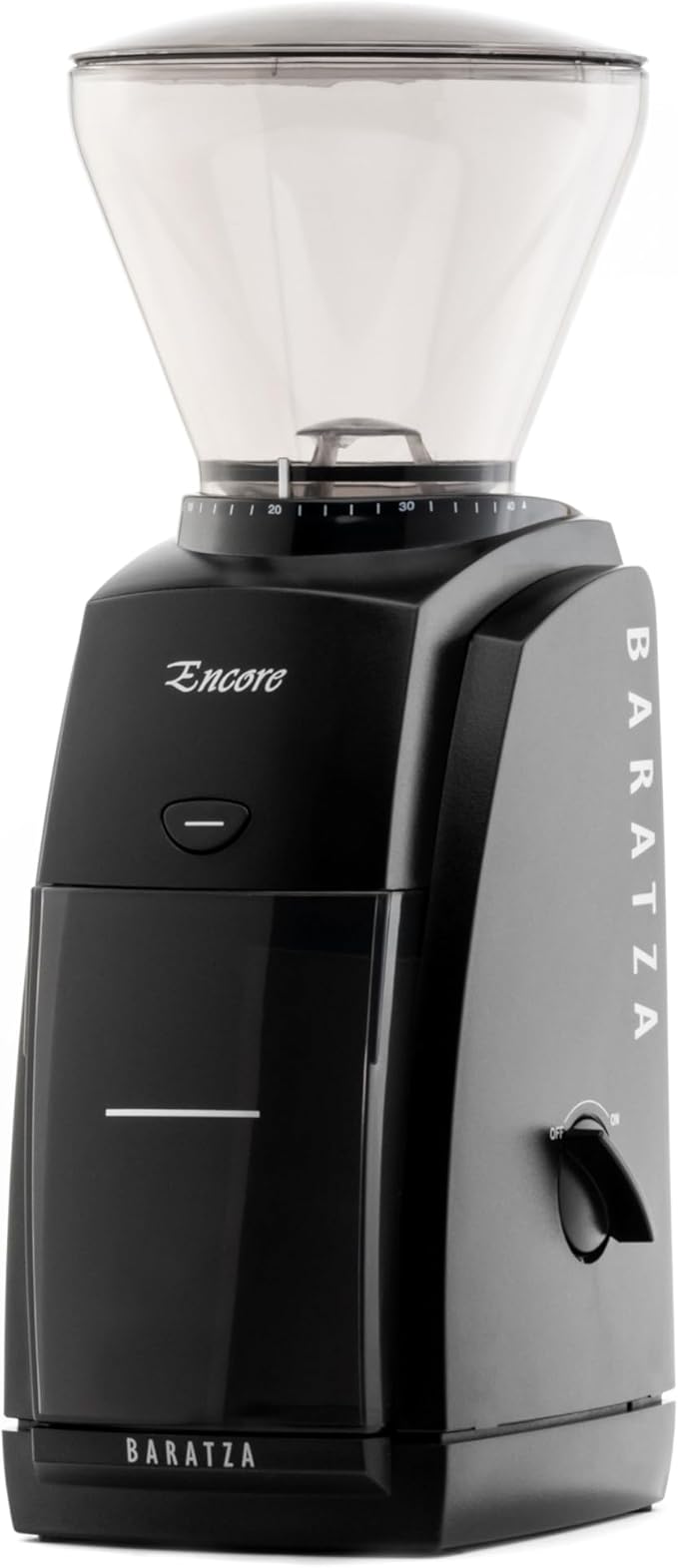
While a built‑in grinder saves countertop space, grind consistency is more important than integration. High‑quality burr grinders (e.g., Baratza Encore, Fellow Ode) deliver superior particle uniformity compared to most built‑in blades. If you already own a grinder, opt for a machine without one to keep cost down.
5. How often should I calibrate my machine’s temperature?
If you brew with filtered or distilled water, temperature drift is minimal. For hard water or after descaling, recalibrate once with a calibrated thermometer. Most SCA‑certified machines hold calibration for 6‑12 months.
6. Can I brew cold brew in a standard drip machine?
Yes, but only models with a cold‑brew mode (e.g., Breville Precision Brewer). The process uses room‑temperature water and an extended steep time (12‑24 hours). If your machine lacks this mode, consider a dedicated cold‑brew tower or a French press for simplicity.
7. My coffee tastes sour—what’s wrong?
Sourness often indicates under‑extraction. Check the following:
- Water temperature – should be 195‑205 °F.
- Grind size – too coarse will extract weakly.
- Coffee dose – insufficient coffee or excessive water.
- Brew time – aim for 4½‑5 minutes total.
8. Is a “Gold Cup” brew mode worth using?
The Gold Cup Standard is the SCA’s baseline for “excellent” coffee (extraction 18‑22 %). Machines like Breville include a Gold Cup mode that automatically sets temperature, brew time, and flow to meet these criteria. It’s a reliable “set‑and‑forget” for everyday use.
9. Do I need to use a paper filter or a metal mesh?
- Paper filters produce a cleaner cup with less oil, ideal for bright, acidic beans.
- Metal (stainless steel) filters retain more oils, resulting in a fuller body and higher TDS. Choose based on your flavor preference; both work fine with SCA‑certified machines.
10. What’s the environmental impact of drip coffee makers?
Choosing a long‑lasting model (Moccamaster, Breville) and cleaning it with eco‑friendly descaling solutions reduces overall carbon footprint.
Final Recommendation – Which Machine Wins for You? <a name="final-recommendation"></a>
| Scenario | Recommended Model | Why |
|---|---|---|
| You want the most flexibility (cold brew, iced, strong, programmable) | Breville Precision Brewer | Six brew modes, precise PID control, app integration – the all‑in‑one solution. |
| You prioritize design, durability, and a “set‑and‑forget” experience | Moccamaster KBGV Select | Hand‑crafted Dutch engineering, 5‑year warranty, rapid heat‑up, timeless aesthetics. |
| You are on a tight budget but demand SCA‑level coffee quality | Bonavita Connoisseur | Breakthrough performance at $80, thermal carafe, simple operation. |
| You love data‑driven brewing and want to weigh coffee without a separate scale | OXO Brew 9‑Cup | Integrated scale, microprocessor temperature control, sleek design. |
| You already own a high‑end grinder and want a machine that respects your grind | Breville Precision Brewer (or Moccamaster) – Both accept standard basket filters and preserve grind integrity. | |
| You need a built‑in grinder for countertop space savings | Cuisinart DCC‑4600 (SCA‑certified) | Integrated burr grinder, 14‑program timer, still meets SCA standards. |
Bottom Line
If you’re serious about extracting the full flavor potential of specialty beans, investing in an SCA‑certified drip coffee maker eliminates the two biggest sources of error: temperature and uneven extraction. The Breville Precision Brewer remains the most versatile champion, while the Bonavita Connoisseur proves you can achieve near‑professional results on a shoestring budget.
Remember: the machine is only half the equation—fresh beans, proper grind, clean water, and disciplined technique are the other three pillars that turn a good drip machine into a great daily ritual.
Happy brewing! ☕
Affiliate Disclosure
Discussion
Sign in with GitHub to leave a comment. Your replies are stored on this site's public discussion board.
Continue Reading

Best Espresso Machines Under $500 in 2026: Real-World Picks for Home Baristas
June 6, 2026

Cold Brew Coffee Makers 2026: Best Picks for Summer
May 25, 2026

Toddy Cold Brew System Review: The Gallon-Scale Cold Brew Standard
April 18, 2026

Bodum Chambord French Press Review: The Template That Defined the Category
April 18, 2026