Best Espresso Machines Under $500 for Home Baristas in 2026
We may earn a commission if you make a purchase through our links.
FTC Disclosure: This article contains affiliate links. When you purchase through our links, we may earn a commission at no extra cost to you. This helps us continue providing expert reviews and recommendations. Finding
FTC Disclosure: This article contains affiliate links. When you purchase through our links, we may earn a commission at no extra cost to you. This helps us continue providing expert reviews and recommendations.
Finding a quality espresso machine under $500 might seem impossible, but today's budget espresso machines deliver surprisingly cafe-quality results. Whether you're a beginner home barista or upgrading from a basic coffee maker, the right espresso machine can transform your morning routine without emptying your wallet.
Free: The First Brew Blueprint: 5-Gallon Amber Ale, Start to Sip
4 weeks from grain to glass
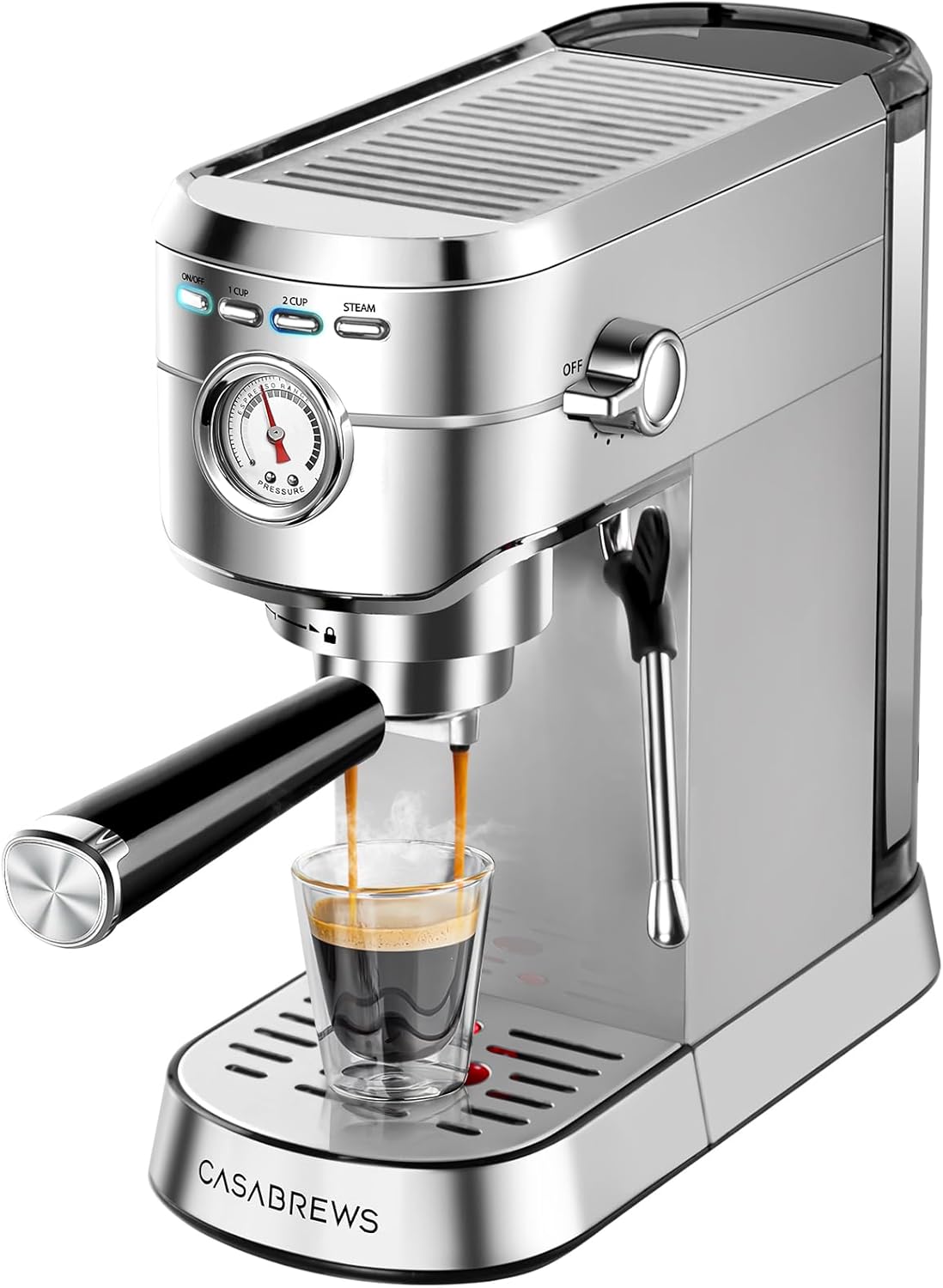
Budget pick: CASABREWS CM5418 20-bar espresso machine ($140) — check price on Amazon →
The espresso machine market has evolved dramatically in recent years. What once required $1,000+ investments can now be achieved with sub-$500 models that feature pressure gauges, steam wands, and pre-infusion capabilities. This guide examines the best espresso machines under $500, comparing performance, durability, and value to help you make an informed decision.
No spam. Unsubscribe anytime.
This guide compares budget espresso machines using manufacturer specifications, boiler and pump designs, and the weight of owner consensus, rather than a test we ran. It lays out which models deliver genuine 9-bar pressure, consistent temperature stability, and reliable steam performance.
Key Takeaways
- The Breville Bambino Plus offers the best overall value at $499 with automatic milk frothing and 3-second heat-up time
- Manual espresso machines like the Flair PRO 2 ($279) provide exceptional shot quality without electricity
- Entry-level machines under $300 can produce good espresso but require patience and technique refinement
- Steam wand quality varies dramatically in this price range—test before committing if possible
- Burr grinder quality matters more than machine price for excellent espresso results
- Most budget machines use 54mm portafilters, limiting aftermarket accessory options compared to commercial 58mm standards
What Makes a Good Budget Espresso Machine?
A quality budget espresso machine must deliver consistent 9-bar pressure, maintain stable brewing temperature between 195-205°F, and include a functional steam wand for milk-based drinks. These three elements separate genuine espresso machines from glorified coffee makers that produce strong coffee rather than true espresso.
The best models under $500 achieve this through thermoblock or thermocoil heating systems that heat water on-demand. This technology costs less than traditional boilers while delivering adequate temperature stability for home use. However, budget machines typically compromise on build quality, using more plastic components and smaller water reservoirs than premium models.
Premium features like PID temperature control, pressure profiling, and dual boilers remain rare under $500. Most budget machines require 30-60 second heat-up times and cool-down periods when switching between brewing and steaming. Understanding these limitations helps set realistic expectations while still achieving excellent home espresso.
How Do Semi-Automatic Machines Compare to Manual Options?
Semi-automatic espresso machines dominate the under-$500 market, offering electric pumps, built-in boilers, and steam wands for $249-$499. These machines handle pressure generation and temperature control automatically while you control grind size, dose, and extraction time. Popular models include the Breville Bambino Plus and Gaggia Classic Pro.
Manual espresso machines like the Flair PRO 2 eliminate electricity entirely, using lever pressure you generate by hand. These machines cost $200-$350 and produce exceptional shot quality when mastered. Manual machines excel at temperature consistency and pressure profiling but require significant technique development and don't include milk steaming capabilities.
The choice depends on your priorities. Semi-automatic machines offer convenience and milk frothing for cappuccinos and lattes. Manual machines provide superior espresso extraction and travel portability but demand more skill and separate milk frothing solutions. Beginners typically prefer semi-automatic models while espresso enthusiasts appreciate manual control.
What's the Best Overall Espresso Machine Under $500?
The Breville Bambino Plus represents the best overall value at $499, combining automatic milk texturing, 3-second heat-up time, and consistent 9-bar pressure extraction. Its thermojet heating system eliminates the lengthy warm-up periods plaguing most budget machines, while the automatic steam wand creates microfoam with one-touch operation.
This compact machine measures just 7.7 inches wide, fitting easily on crowded countertops. The 54mm portafilter comes with pressurized and non-pressurized baskets, accommodating both beginner-friendly pre-ground coffee and fresh-ground beans from a quality burr grinder. Its temperature control is a frequent owner praise point: shot-to-shot consistency is tight for this price point.
The main limitation is the 64-ounce water tank, requiring frequent refills for multi-drink households. The plastic construction feels less premium than metal alternatives, though it doesn't impact performance. The Breville Bambino Plus consistently delivers cafe-quality results with minimal learning curve, making it ideal for aspiring home baristas.
Which Budget Machine Offers the Best Manual Control?
The Gaggia Classic Pro delivers the most manual control under $500 at approximately $449, featuring commercial-style components in a home-friendly package. This Italian-made machine uses a 58mm commercial portafilter (unlike most budget 54mm models), opening access to professional-grade accessories and baskets. The commercial steam wand produces powerful, dry steam for silky microfoam.
Gaggia's single boiler design requires 30-45 second transitions between brewing and steaming. The machine includes basic three-way solenoid valve that releases pressure after extraction, creating drier pucks and enabling immediate portafilter removal. Temperature surfing technique—timed cooling flushes between boiler cycles—helps optimize extraction temperature.
This machine rewards tinkering and modification. The active home barista community has documented countless upgrades: PID temperature controllers, pressure gauge additions, and OPV (over-pressure valve) adjustments. Stock performance is solid, but the Gaggia Classic Pro truly shines for hands-on enthusiasts who enjoy optimizing and customizing their equipment.
What's the Best Entry-Level Machine Under $300?
The De'Longhi Dedica EC685 offers the best entry point at $249, combining slim 6-inch width with reliable 15-bar pump pressure and a surprisingly capable steam wand. This ultra-compact machine fits impossibly tight spaces while delivering genuine espresso rather than the pressurized moka-pot-style coffee common in cheaper machines.
The Dedica includes three preset buttons for single shot, double shot, and hot water. The adjustable milk frother creates decent microfoam with practice, though it lacks the power of more expensive models. Owners report consistent extraction once dialed in, though the thermoblock design means shot-to-shot temperature drifts unless you temperature-surf.
Limitations include the pressurized portafilter basket system and lack of included non-pressurized basket. Serious users should budget $20-30 for aftermarket baskets to unlock better flavor from freshly-ground beans. The De'Longhi Dedica represents excellent value for apartment dwellers and casual espresso drinkers prioritizing space efficiency.
How Important Is the Grinder for Budget Espresso?
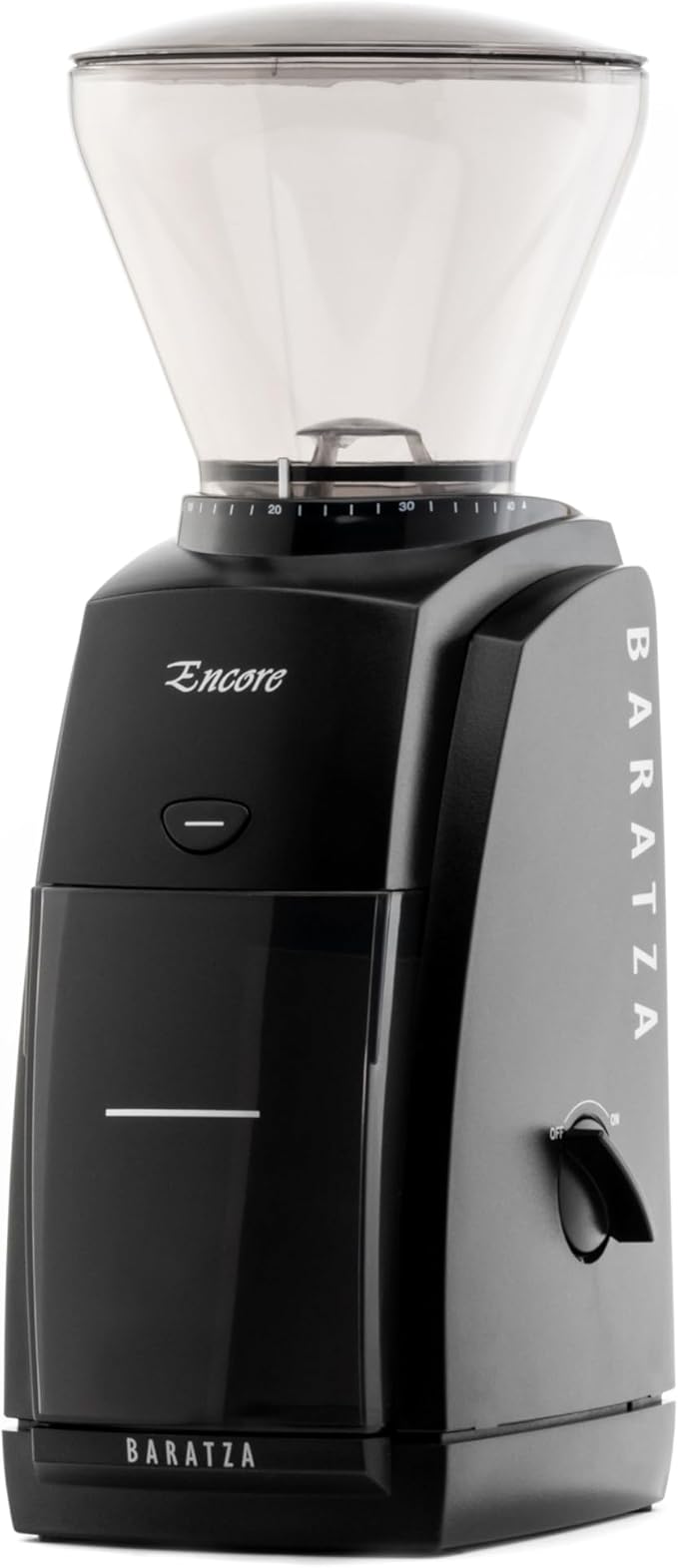
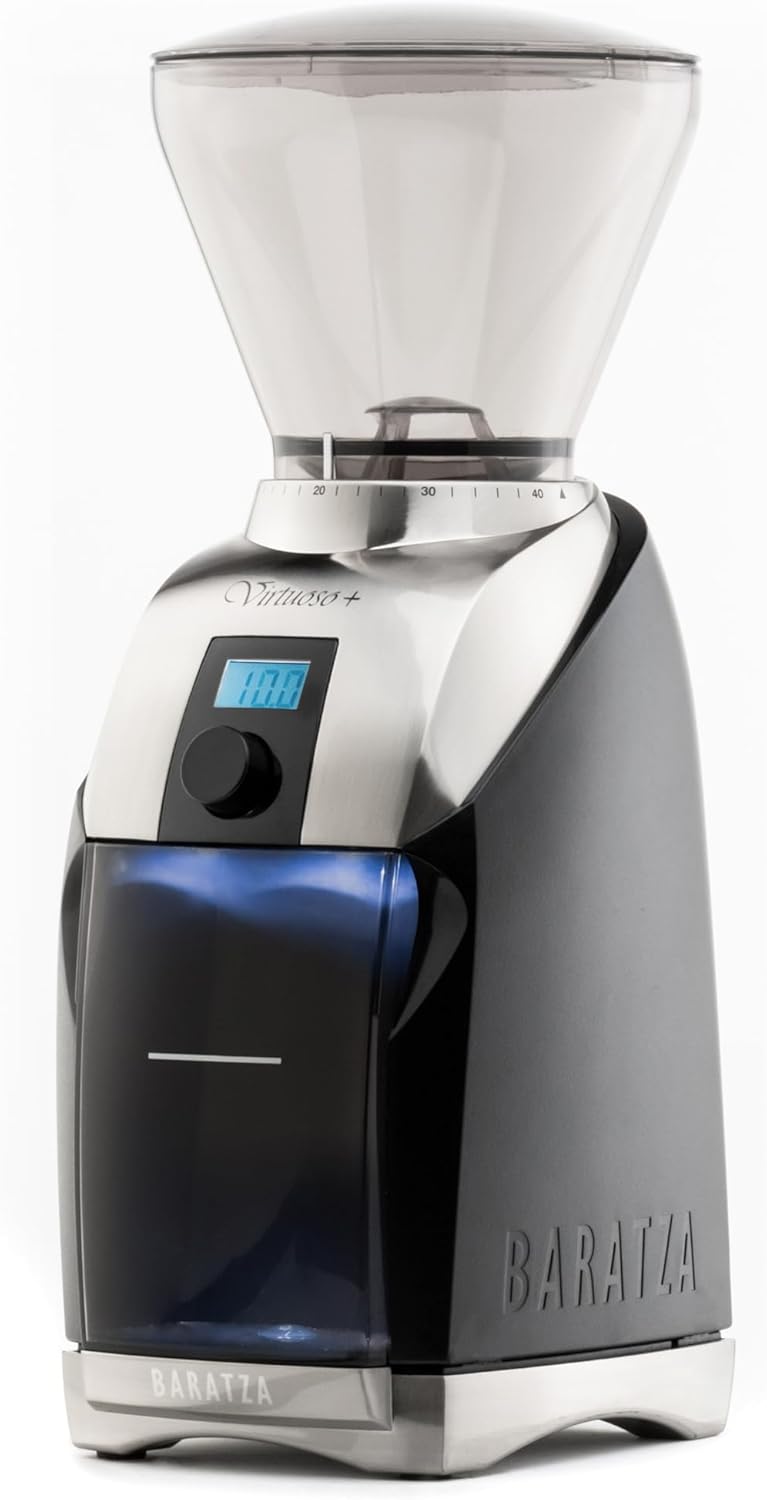
Your grinder impacts espresso quality more than the machine itself, with a quality burr grinder being non-negotiable for consistent results. Pre-ground coffee or blade grinders cannot achieve the precise, uniform particle size required for proper 25-30 second extraction times. Budget at least $150-200 for an entry-level burr grinder like the Baratza Encore ESP.
The grind must be infinitely adjustable within the espresso range—tiny adjustments of 0.1mm dramatically change extraction time. Burr grinders crush beans between two abrasive surfaces, creating uniform particles. Blade grinders chop randomly, producing inconsistent sizes that extract unevenly: some particles over-extract (bitter) while others under-extract (sour).
Many beginners invest $500 in an espresso machine while using $20 blade grinders, producing disappointing results. A better approach: spend $300 on the machine and $200 on the grinder. The Breville Smart Grinder Pro ($199) pairs excellently with budget espresso machines, offering 60 grind settings and electronic dosing control.
What Features Should You Prioritize in This Price Range?
Temperature stability ranks as the single most critical feature, with consistent 195-205°F water temperature being essential for balanced extraction. Budget machines using thermoblock or thermocoil heating systems typically maintain ±5°F consistency, adequate for home use. Avoid machines lacking temperature specifications or using "heat exchange" terminology without proper boiler systems.
Steam wand capability determines milk drink quality, with commercial-style wands vastly outperforming automatic frothers or panarello attachments. Look for machines advertising "manual steam wand" or "commercial-style steam." Avoid push-button automatic frothers on sub-$300 machines—they produce hot bubbly milk rather than silky microfoam.
Build quality and portafilter size affect longevity and upgrade potential. Machines with 58mm commercial portafilters (like the Gaggia Classic Pro) offer better long-term value than proprietary 51-54mm systems. Metal construction lasts longer than plastic, though it adds weight and cost. Three-way solenoid valves, while not essential, improve daily usability by drying pucks and reducing mess.
Should You Choose a Single or Dual Boiler System?
Single boiler systems dominate the under-$500 market, using one heating element for both brewing and steaming. These machines require 30-60 second waiting periods when switching between functions, as brewing requires 195-205°F water while steaming needs 265°F steam. This workflow slows milk drink production but reduces manufacturing costs significantly.
Dual boiler systems maintain separate temperatures simultaneously, eliminating wait times and enabling back-to-back drink production. However, true dual boiler machines start around $1,200-1,500, making them inaccessible in this budget range. Machines advertising "dual heating" or "rapid transition" in this price bracket use thermoblock technology, not genuine dual boilers.
For home use making 1-4 drinks per session, single boiler limitations rarely frustrate. The workflow becomes: pull shots for all drinks, then steam all milk portions together. This batch approach minimizes the single boiler disadvantage. Dual boiler systems only become essential for high-volume situations or professional use.
What About Pod-Based vs Traditional Espresso Machines?
Pod-based machines like Nespresso systems offer unmatched convenience at $200-400 but limit coffee selection and increase per-cup costs to $0.70-1.20. These machines eliminate grinding, dosing, and tamping variables, producing consistent results with zero learning curve. However, the pre-ground, pre-tamped pods cannot match freshly-ground espresso's flavor complexity and freshness.
Traditional espresso machines require more technique but offer unlimited coffee variety and lower operating costs. Fresh whole beans cost $12-18 per pound, producing 30-40 shots at $0.30-0.60 each. The learning curve spans 20-50 shots before achieving consistency, requiring patience and willingness to troubleshoot variables like grind size and dose.
The decision hinges on priorities: convenience versus customization. Pod machines excel for busy mornings, offices, and espresso-only drinkers. Traditional machines reward coffee enthusiasts who enjoy the ritual and want access to single-origin beans and local roasters. Many households own both, using pods for weekday convenience and traditional machines for weekend experimentation.
How Do Budget Machines Handle Milk Frothing?
Milk frothing capability varies dramatically under $500, with commercial-style steam wands vastly outperforming automatic frothers. The best budget machines produce 1-2 bars of steam pressure, sufficient for creating microfoam when using proper technique. Position the steam wand tip just below milk surface, creating a "chirping" sound as air incorporates during the 20-30 second stretching phase.
Entry-level machines under $300 typically include panarello attachments—plastic sleeves over the steam wand that inject air automatically. These create foamy, bubbly milk suitable for basic cappuccinos but cannot achieve the silky, paint-like microfoam required for latte art. Advanced users immediately remove panarello attachments, using the bare steam wand underneath.
Steam power correlates strongly with price. The $499 Breville Bambino Plus heats to steam temperature in 3 seconds and textures milk in 15-20 seconds. The $249 Dedica requires 45 seconds to reach steam temperature and 40-50 seconds to texture milk. Faster steaming prevents milk from scalding beyond the optimal 140-150°F range, improving flavor and texture.
What Maintenance Do Budget Espresso Machines Require?
Daily maintenance includes purging the group head before brewing (3-5 second water flush), wiping the steam wand immediately after use, and rinsing the portafilter and basket. These 2-minute tasks prevent coffee oil buildup and milk residue that affect flavor. Remove and empty the drip tray daily, preventing mold growth and overflow.
Weekly maintenance requires backflushing machines with three-way solenoid valves using espresso machine cleaning powder. This process removes coffee oils from the group head and internal pathways. Soak portafilter baskets and screens in cleaning solution for 20 minutes, then rinse thoroughly. Machines without solenoid valves (most under $300) require manual group head scrubbing instead.
Monthly descaling removes mineral buildup from heating elements and internal pipes, essential in hard water areas. Use citric acid solution or branded descaling products, following manufacturer instructions precisely. Skipping descaling causes slow heating, weak steam pressure, and eventual heating element failure. The Urnex cleaning kit ($28) provides comprehensive cleaning solutions for espresso machines and grinders.
Which Brands Offer the Best Value Under $500?
Breville dominates the budget espresso market with consistently reliable machines at multiple price points. The Bambino series ($299-499) offers excellent build quality, user-friendly interfaces, and strong customer support. Breville machines typically include both pressurized and non-pressurized baskets, accommodating skill progression from beginner to intermediate.
De'Longhi provides solid entry-level options like the Dedica ($249) and Stilosa ($119) for price-conscious buyers. These Italian-designed machines offer compact footprints and reliable extraction, though build quality feels less premium than Breville. De'Longhi machines work well for 1-2 drinks daily but may require replacement after 3-5 years of heavy use.
Gaggia represents the best choice for hands-on enthusiasts, with the Classic Pro ($449) offering commercial components and extensive modification potential. This Italian brand emphasizes repairability and longevity over convenience features. Expect a steeper learning curve but superior long-term value and shot quality for dedicated users.
What's the Best Machine for Small Kitchens?
The Breville Bambino (non-Plus version) measures just 7.7 inches wide, making it the most space-efficient quality machine at $299. This ultra-compact design eliminates the automatic milk frother of the Plus model but retains the 3-second heat-up time and consistent extraction. The manual steam wand still produces excellent microfoam with proper technique.
The De'Longhi Dedica EC685 offers even slimmer 6-inch width at $249, though it sacrifices some features and build quality. This machine fits narrow counter spaces between appliances or tucked into corners. The compact design includes a fold-away drip tray and removable 35-ounce water tank for easy filling in tight spaces.
Small machines require more frequent water refills and produce less powerful steam than larger models. However, the space savings prove invaluable in studios, apartments, and shared kitchens. Both the Bambino and Dedica deliver genuine espresso quality despite their miniature footprints, making no-compromise choices for space-limited home baristas.
Comparison Table: Top Budget Espresso Machines
| Machine | Price | Width | Portafilter | Heat-Up Time | Best For |
|---|---|---|---|---|---|
| Breville Bambino Plus | $499 | 7.7" | 54mm | 3 sec | Automatic milk frothing |
| Gaggia Classic Pro | $449 | 9.5" | 58mm | 45 sec | Manual control enthusiasts |
| Breville Bambino | $299 | 7.7" | 54mm | 3 sec | Compact spaces |
| De'Longhi Dedica | $249 | 6" | 51mm | 40 sec | Tight budgets |
| Flair PRO 2 | $279 | N/A | 58mm | Instant | Manual lever quality |
Check current prices: Breville Bambino Plus · Gaggia Classic Pro · De'Longhi Dedica · Breville Smart Grinder Pro · Urnex cleaning kit
Frequently Asked Questions
Can you make good espresso with a machine under $500?
Yes, modern budget machines can produce genuine espresso with proper technique and a quality grinder. The key factors are 9-bar pump pressure, stable temperature control, and fresh-ground coffee. Machines like the Breville Bambino Plus and Gaggia Classic Pro deliver results comparable to cafe shots when paired with a $150+ burr grinder.
Do I need to buy a separate milk frother?
Most espresso machines under $500 include steam wands capable of frothing milk, eliminating the need for separate frothers. However, entry-level machines under $200 often produce weak steam requiring 60+ seconds for milk texturing. Serious milk drink enthusiasts should budget at least $250 for machines with adequate steam power.
How long do budget espresso machines last?
Quality budget machines typically last 3-7 years with proper maintenance, with durability correlating strongly to price and build quality. The Gaggia Classic Pro's commercial-grade components often exceed 10 years, while entry-level plastic machines may require replacement after 3-4 years. Regular descaling and cleaning significantly extends lifespan regardless of brand.
What's the difference between 15-bar and 9-bar pressure?
Most budget machines advertise 15-bar pumps but regulate pressure to 9 bars during extraction—the optimal pressure for espresso. Higher numbers represent maximum pump capability, not operational pressure. Over-pressurized extraction (above 10 bars) causes channeling and bitter flavors. Quality machines include over-pressure valves (OPV) limiting pressure to 9 bars.
Should I buy a used espresso machine to save money?
Used machines can offer excellent value but require careful inspection of heating elements, gaskets, and internal cleanliness. Gaggia Classic Pros and Breville machines maintain strong resale value and parts availability. Avoid used machines without testing—hidden descaling neglect or worn components often cost more to repair than the savings. Buy used from espresso forums where sellers understand proper maintenance.
Conclusion: Finding Your Perfect Budget Espresso Machine
The best espresso machine under $500 balances your skill level, space constraints, and drink preferences with available features and build quality. Beginners seeking convenience and milk-based drinks should choose the Breville Bambino Plus for its automatic features and consistent results. Hands-on enthusiasts prioritizing shot quality and upgradability will prefer the Gaggia Classic Pro's commercial components.
Remember that your grinder investment matters equally to the machine itself. A $300 machine paired with a $200 grinder outperforms a $500 machine using pre-ground coffee or blade-ground beans. Start with fresh whole beans, dial in your grind settings, and practice consistent technique before upgrading equipment.
Ready to transform your morning coffee routine? Explore our detailed reviews of the best home espresso machines and discover which model matches your home barista aspirations. Your perfect shot awaits—start pulling exceptional espresso today without breaking the bank.
Affiliate Disclosure
Discussion
Sign in with GitHub to leave a comment. Your replies are stored on this site's public discussion board.