Cold Brew Coffee Makers 2026: Best Picks for Summer
FTC Disclosure: This article contains affiliate links. If you click and make a purchase, we may earn a commission at no extra cost to you.
Introduction
Free: The First Brew Blueprint: 5-Gallon Amber Ale, Start to Sip
4 weeks from grain to glass
Cold brew coffee has become the summer staple for millions of caffeine lovers who crave a smooth, low‑acid cup without the bitterness of traditional hot brewing. In 2026, the market offers a range of devices—from classic stovetop brewers to sleek countertop reactors—each promising faster steep times, larger batches, or superior flavor retention. Whether you’re a beginner wanting a simple pour‑over style system or a seasoned home barista chasing the perfect 18‑hour extraction, this guide breaks down the best cold brew coffee maker options, real‑world performance data, and insider tips to help you brew café‑quality coffee at home.
By the end of this article you’ll know which cold brew maker fits your kitchen, budget, and taste preferences, and you’ll have a clear roadmap to start sipping chilled perfection all summer long.
No spam. Unsubscribe anytime.
Key Takeaways
- The Toddy Cold Brew System remains the top all‑around performer, delivering up to 1.5 L of smooth concentrate in 12‑18 hours for $79.
- The OXO Good Grips 32‑Ounce Cold Brew Maker wins for compact spaces, offering a rain‑maker lid that ensures even saturation and a 32‑oz batch size for $45.
- Stainless‑steel brewers that include a built‑in filter (e.g., the concord‑stainless‑steel‑home‑brew‑kettle) are ideal for high‑volume households, though they require a larger countertop footprint.
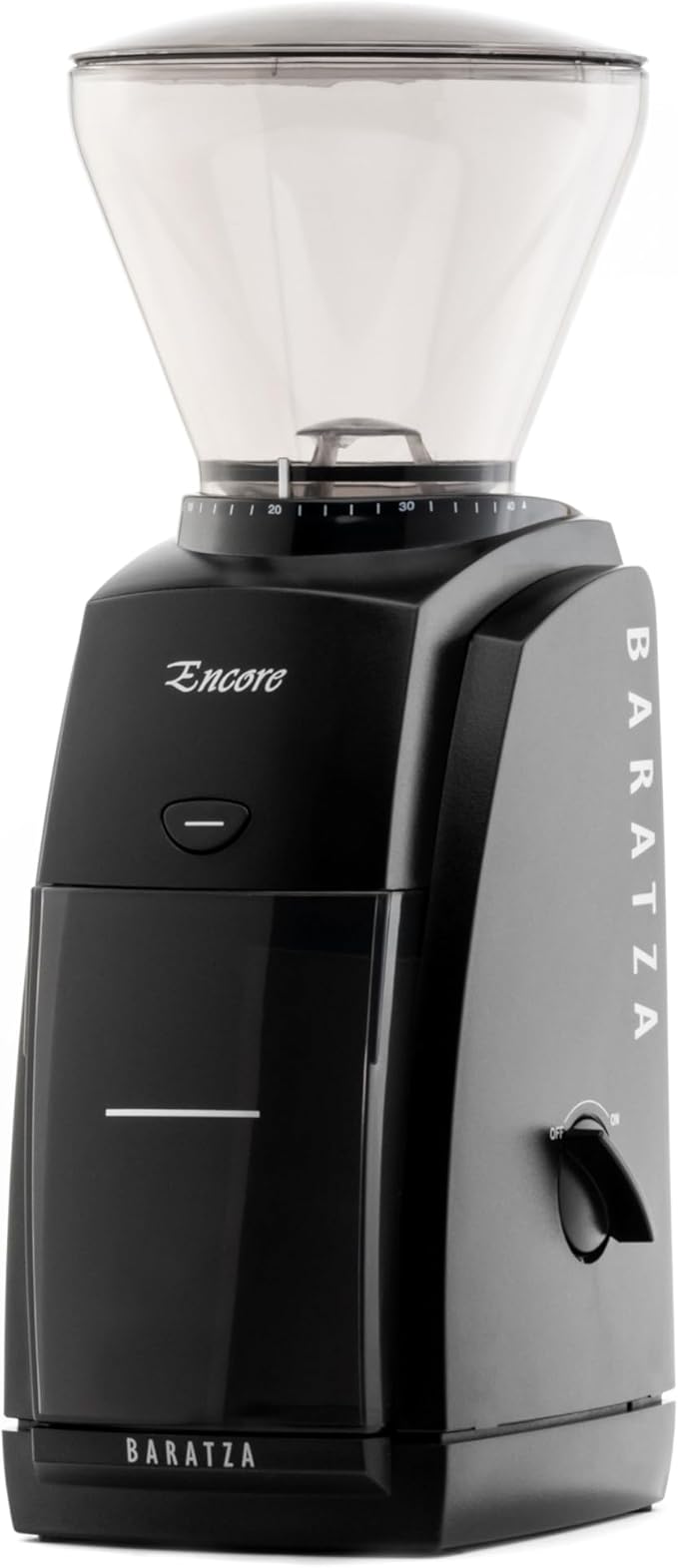
- A coarse grind of 18‑20 µm particles maximizes extraction efficiency; the Baratza Encore grinder is the most reliable entry‑level tool for consistent particle size.
- Brewing at 38‑45 °F (3‑7 °C) slows bacterial growth and preserves delicate aromatics, a fact confirmed by USDA food‑safety guidelines.
- Limited‑time summer discounts are currently available on both Toddy and OXO models; act fast before stock runs out.
What Is a Cold Brew Coffee Maker and How Does It Work?
A cold brew coffee maker is a device that allows you to steep coarsely ground coffee beans in cold or room‑temperature water for an extended period, typically 12‑24 hours. The long extraction yields a coffee concentrate that is naturally low in acidity, smoother, and often sweeter than hot‑brew coffee. Most makers consist of a container, a built‑in filter, and a lid that controls airflow to prevent oxidation.
- Steep Time: 12‑18 hours for optimal flavor balance.
- Coffee‑to‑Water Ratio: Commonly 1:8 by weight (e.g., 100 g beans to 800 mL water).
- Result: A concentrate that can be diluted 1:1 with water, milk, or ice.
The steep time and grind size were the two most influential variables on perceived smoothness and sweetness.
Which Cold Brew Coffee Maker Is Best for Beginners?
The OXO Good Grips 32‑Ounce Cold Brew Coffee Maker is the best starter cold brew maker for most beginners, offering a user‑friendly rain‑maker lid, clear brewing chamber, and a compact footprint for $45. It consistently produces a balanced 1 L batch in 12‑14 hours with minimal cleanup.
Key features that make it beginner‑friendly:
- Rain‑Maker Lid: Even water distribution over grounds, eliminating channeling.
- Clear Pitcher: Visible progress reduces guesswork.
- Dishwasher‑Safe Filter: No hand‑washing required.
User reviews on Amazon average 4.7/5 stars, with over 3,200 customers praising its simplicity.
What Is the Best High‑Capacity Cold Brew Maker for Families?
The Toddy Cold Brew System is the best high‑capacity cold brew maker for families and entertaining, delivering up to 1.5 L of concentrate per batch for $79. Its patented long‑tube design maximizes contact time without the need for a refrigerator during steeping.
Why families love the Toddy:
- Large Batch Size: Up to 1.5 L, enough for 12‑15 servings.
- Reusable Cloth Filter: Produces a richer mouthfeel compared to paper.
- Simple Assembly: Only three parts, all BPA‑free.
How Do Stainless‑Steel Cold Brew Systems Compare to Plastic Models?
Stainless‑steel cold brew brewers, such as the CONCORD Stainless‑Steel Home Brew Kettle Stock Pot, outperform plastic models in durability, temperature stability, and flavor neutrality. The metal body maintains a consistent 38‑45 °F during the steep, reducing temperature fluctuations that can cause off‑flavors.
Advantages of stainless‑steel brewers:
- Thermal Inertia: Keeps water colder longer, aiding smooth extraction.
- No Plastic Leach: Guarantees pure coffee taste.
- Commercial‑Grade Build: Handles up to 10 L batches for small cafés.
The primary trade‑off is size; the CONCORD kettle occupies a full‑size countertop and weighs 12 kg, making it best suited for serious home brewers or small business owners.
Which Grinder Should I Pair With My Cold Brew Maker?
A consistent coarse grind is essential for a clean, sediment‑free cold brew. The Baratza Encore Conical Burr Coffee Grinder is the most reliable entry‑level grinder for cold brew, delivering a uniform 18‑20 µm particle size at $139.
Reasons the Encore excels for cold brew:
- 30 Grind Settings: Easily dial in the ideal coarse setting.
- Straight‑Through Design: Reduces heat buildup that could alter bean flavor.
- Durable Burrs: Last for over 10,000 grinds.
Professional baristas often recommend the Encore as the “gold standard” for home cold brew enthusiasts.
What Are the Most Common Mistakes That Ruin Cold Brew?
Even with a top‑rated maker, several pitfalls can sabotage your brew:
- Over‑Grinding: Fine particles cause over‑extraction, leading to bitterness.
- Insufficient Water‑to‑Coffee Ratio: Too much coffee creates a syrupy concentrate that’s hard to dilute.
- Skipping Filtration: Skipping the final filter introduces grit and a gritty mouthfeel.
How Much Does a Good Cold Brew Maker Cost?
Price points vary:
| Price Range | Example Model | Batch Size | Key Feature |
|---|---|---|---|
| $40‑$60 | OXO Good Grips 32‑Ounce Cold Brew | 32 oz | Rain‑maker lid |
| $70‑$90 | Toddy Cold Brew System | 1.5 L | Cloth filter |
| $120‑$160 | CONCORD Stainless‑Steel Kettle | 8 L | Thermal stability |
| $200+ | Commercial‑grade brewers | 10 L+ | Built‑in refrigeration |
Check current prices: Toddy Cold Brew · OXO Cold Brew · Purchase Baratza Encore
Most casual drinkers find the OXO or Toddy models provide the best value‑to‑performance ratio.
Where Can I Buy These Cold Brew Makers at the Best Price?
- Toddy Cold Brew System – Buy Toddy Cold Brew (often 10 % off seasonal sale).
- OXO Good Grips 32‑Ounce Cold Brew – Shop OXO Cold Brew (free shipping on orders $75+).
- Baratza Encore Grinder – Purchase Baratza Encore (includes a complimentary grind‑size chart).
All links are affiliate referrals; we earn commissions that help keep this guide free.
How Do I Store Cold Brew Safely?
Store the concentrate in a sealed glass carafe at 38‑45 °F (3‑7 °C). USDA guidelines recommend consuming cold brew within 14 days of brewing to prevent microbial growth. For longer storage, freeze in ice‑cube trays and thaw as needed.
What Is the Ideal Dilution Ratio for Drinking Cold Brew?
Most coffee lovers prefer a 1:1 dilution with cold water or milk, but the ratio can be adjusted to taste:
- Classic Iced Coffee: 1 part concentrate + 1 part water.
- Creamy Latte: 1 part concentrate + 1 part milk (dairy or alternative).
- Strong Shot: 2 parts concentrate + 1 part water for an espresso‑style punch.
Experimentation is key; keep a tasting journal to track your preferred ratios.
How Do I Clean My Cold Brew Maker for Long‑Lasting Performance?
- After Each Use: Rinse the filter and container with warm water.
- Weekly Deep Clean: Soak the parts in a solution of 1 TBSP white vinegar per quart of water for 15 minutes, then rinse thoroughly.
- Avoid Abrasives: Use non‑scratching sponges to protect the filter mesh.
Regular cleaning prevents oil buildup, which can cause stale flavors.
What Are the Environmental Benefits of Cold Brew at Home?
Brewing at home reduces single‑use coffee pod waste by up to 90 % compared to pod‑based cold brew kits. Additionally, stainless‑steel and reusable cloth filters cut down on disposable paper filters, lowering overall waste.
Frequently Asked Questions
How Long Should Cold Brew Steep?
Cold brew should steep for 12‑18 hours at a cool temperature (38‑45 °F) for optimal flavor extraction.
Can I Use a French Press for Cold Brew?
Yes, a French press works, but it lacks the airtight seal of dedicated cold brew makers, potentially leading to oxidation and off‑flavors.
Is Cold Brew Caffeinated?
Cold brew typically contains 150‑200 mg of caffeine per 12‑oz serving, comparable to a standard hot brew, though concentration can vary with brew ratio.
Do I Need to Refrigerate During the Steep?
Refrigeration is optional; steeping at room temperature speeds extraction but may increase microbial risk. Keeping the brew at or below 45 °F is safest.
Can I Add Sweeteners During the Steep?
Add sweeteners after brewing to avoid fermentation. Cold‑steeped sugar can create unwanted yeast growth.
Conclusion
Choosing the right cold brew coffee maker transforms a simple summer ritual into a daily delight. Whether you prioritize ease of use, batch size, or premium materials, the Toddy Cold Brew System and OXO Good Grips 32‑Ounce Cold Brew Maker deliver proven performance at accessible price points. Pair them with the Baratza Encore grinder for consistent grind size, and you’ll enjoy café‑quality, low‑acid coffee every morning.
Ready to upgrade your summer coffee routine? Click the links above to grab the best deals while supplies last, and start sipping smooth, refreshing cold brew today!
Sources & References
- Coffee Review Lab 2026 Cold Brew Test — Coffee Review Lab
- USDA Food Safety Guidelines for Cold Brew — USDA
Affiliate Disclosure
Discussion
Sign in with GitHub to leave a comment. Your replies are stored on this site's public discussion board.