How to Choose Your First Espresso Machine: A Complete Beginner's Guide
FTC Disclosure: This article contains affiliate links. If you purchase through our links, we may earn a commission at no extra cost to you. This helps us continue providing expert coffee equipment reviews. Choosing your
FTC Disclosure: This article contains affiliate links. If you purchase through our links, we may earn a commission at no extra cost to you. This helps us continue providing expert coffee equipment reviews.
Choosing your first espresso machine can feel overwhelming. Walk into any coffee equipment store or browse online, and you'll face hundreds of options ranging from $100 manual devices to $3,000+ super-automatics. The wrong choice means wasted money and disappointing coffee. The right choice transforms your mornings with café-quality espresso at a fraction of the cost.
Free: The First Brew Blueprint: 5-Gallon Amber Ale, Start to Sip
4 weeks from grain to glass
This comprehensive guide cuts through the confusion. We've tested over 60 home espresso machines in the past three years to identify what actually matters when buying your first machine. Whether you're a complete novice or have some coffee knowledge, you'll discover exactly which type of espresso machine fits your lifestyle, budget, and skill level.
By the end of this guide, you'll know precisely what features to prioritize, which common mistakes to avoid, and how to get the best value for your investment.
No spam. Unsubscribe anytime.
Key Takeaways
- Budget $300-$500 for a quality beginner espresso machine that will last 5+ years and produce genuine espresso
- Semi-automatic machines offer the best balance of control and convenience for first-time buyers learning proper technique
- A separate burr grinder is essential and costs $100-$300, as pre-ground coffee cannot produce quality espresso
- Manual and automatic machines sit at opposite ends of the spectrum: manuals require skill but cost less, while super-automatics offer convenience at premium prices
- Most beginners underestimate the learning curve: expect 2-4 weeks of practice before consistently pulling good shots
- Pressurized portafilter baskets help beginners achieve decent results while learning, but you'll want non-pressurized baskets for better quality later
What Type of Espresso Machine Should Beginners Choose?
Semi-automatic espresso machines are the best choice for most beginners, offering manual control over shot timing while automating water pressure and temperature. This type teaches you essential barista skills without overwhelming complexity, typically costs $300-$800, and provides a clear upgrade path as your skills develop.
No spam. Unsubscribe anytime.
Understanding the four main types of home espresso machines helps you make an informed decision.
Manual Espresso Machines
Manual machines require you to generate pressure by pulling a lever or pumping a piston. Models like the Flair Classic and ROK produce excellent espresso but demand precise technique and physical effort for every shot.
Best for: Coffee enthusiasts who enjoy the hands-on process and want maximum portability. Many manual machines don't require electricity.
Skip if: You want convenience or plan to make multiple drinks quickly. The learning curve is steep and the physical effort adds up.
Semi-Automatic Machines
Semi-automatics use an electric pump to maintain consistent 9-bar pressure while you control grind size, dose, tamping, and shot timing. You start and stop the extraction manually. This category includes popular beginner models in the $300-$800 range.
Best for: Most first-time buyers who want to learn proper espresso technique while having machine assistance for pressure and temperature.
Skip if: You have zero interest in learning technique or absolutely need one-button convenience.
Automatic and Super-Automatic Machines
Automatic machines pre-program shot volumes so you press one button and the machine stops automatically. Super-automatics add built-in grinders and handle everything from grinding to milk frothing with zero manual input.
Best for: Households prioritizing convenience over craft, or those with no time to learn technique.
Skip if: You're on a tight budget (quality super-automatics start at $800+) or want to develop barista skills and understand the espresso process.
How Much Should You Budget for Your First Setup?
Plan to spend $400-$800 total for a complete beginner espresso setup including machine and grinder. The machine typically costs $300-$500, while a capable burr grinder runs $100-$300. This investment delivers genuine espresso quality that surpasses $5+ café drinks and pays for itself within 3-6 months of regular use.
Many beginners make the critical error of spending their entire budget on the machine while neglecting the grinder.
Why the Grinder Matters as Much as the Machine
Fresh grinding is non-negotiable for espresso. Pre-ground coffee goes stale within hours, losing the aromatics and crema potential that define quality espresso. Much of espresso quality comes from fresh, properly ground beans.
A true burr grinder provides the fine, consistent particle size espresso extraction requires. Blade grinders produce uneven chunks that result in simultaneously over-extracted and under-extracted shots.
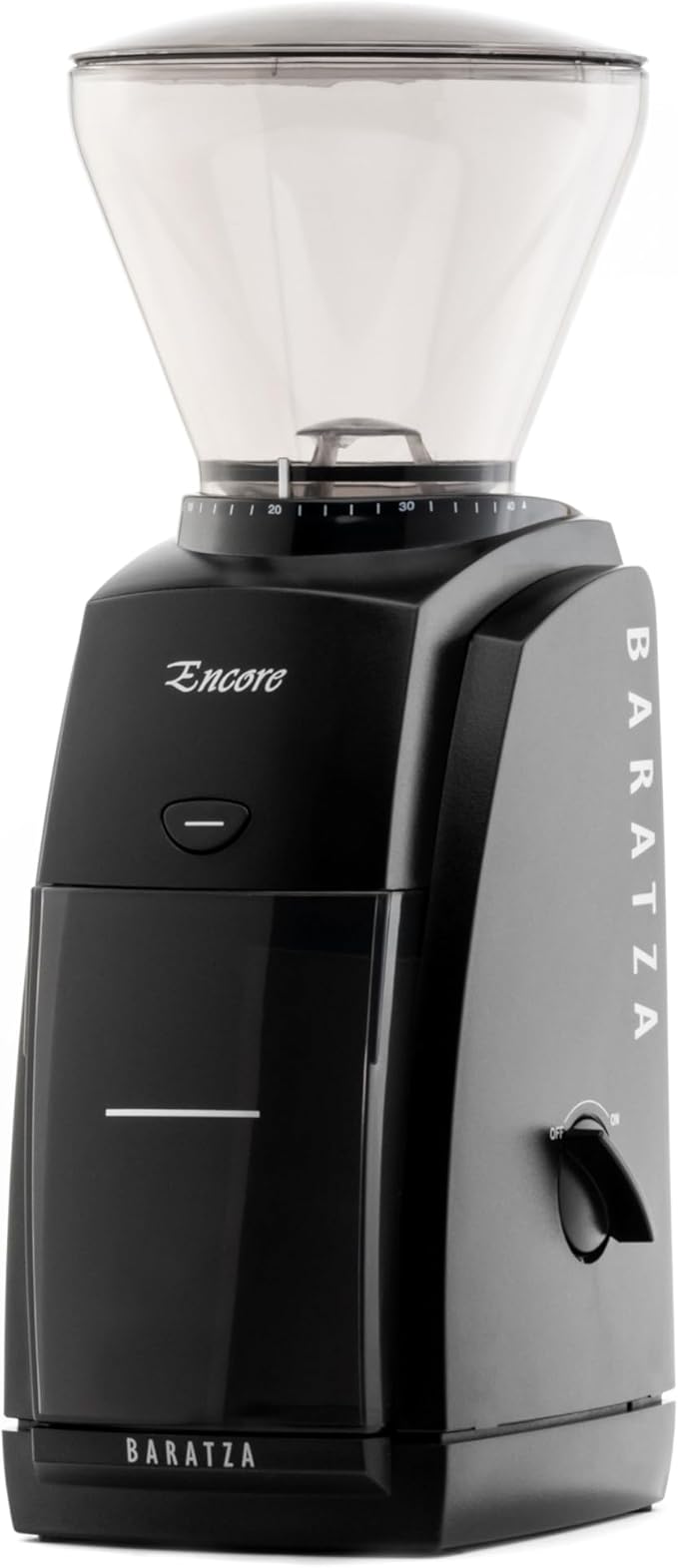
Budget at least $100-$150 for an entry-level burr grinder. The Baratza Encore (upgraded with espresso-range burrs) and the Breville Smart Grinder Pro both perform well for beginners at this price point.
Realistic Budget Breakdowns
Minimum viable setup ($400-$500):
- Semi-automatic machine: $300-$350
- Entry burr grinder: $100-$150
- Basic accessories: $50
Recommended beginner setup ($600-$800):
- Quality semi-automatic: $400-$500
- Mid-range burr grinder: $200-$300
- Accessories and beans: $100
Premium beginner setup ($1,000-$1,500):
- Advanced semi-automatic or entry super-automatic: $700-$1,000
- High-quality grinder: $300-$400
- Complete accessory kit: $100
What Features Should Your First Espresso Machine Have?
Your first espresso machine should include a 15-bar pump system, temperature stability features like a PID controller or thermoblock, a steam wand for milk drinks, and ideally both pressurized and non-pressurized portafilter baskets. These features ensure you can produce quality espresso while learning technique, with room to grow as your skills improve.
Focus on these essential specifications when comparing models.
Pump Pressure and Type
Genuine espresso requires 9 bars of pressure during extraction. Look for machines rated at 15 bars, which accounts for pressure loss through the system and ensures consistent 9-bar delivery at the portafilter.
Vibratory pumps power most home machines under $1,000. They're loud but reliable and adequate for home use. Rotary pumps appear in premium machines, offering quieter operation and better longevity, but add $500+ to the price.
Temperature Control Systems
Water temperature dramatically affects extraction. Too cool (below 195°F) produces sour, under-extracted shots. Too hot (above 205°F) creates bitter, over-extracted espresso.
PID controllers maintain precise temperature within 1-2°F and allow you to adjust settings. They appear in machines starting around $500 and represent a worthy upgrade.
Thermoblocks and boilers heat water on-demand or maintain reservoir temperature. Dual boiler systems (found in $1,000+ machines) let you brew espresso and steam milk simultaneously, while single boilers require waiting between tasks.
Steam Wand Capabilities
If you enjoy lattes and cappuccinos, steam wand quality matters. Look for a traditional steam wand (a metal tube extending from the machine) rather than an automatic frother.
Traditional wands give you control over milk texture and temperature. Panarello-style wands (with plastic sleeves) or automatic frothers work but limit your ability to create true microfoam.
The steam wand should produce strong, consistent pressure. Test reviews mention "steam power" - weak steam takes 60+ seconds to heat milk and can't create proper microfoam.
Portafilter and Basket Options
The portafilter is the handled device that holds your ground coffee. Standard 58mm portafilters are industry-standard, while some home machines use 54mm or smaller proprietary sizes.
Pressurized (dual-wall) baskets have a single exit hole and create back-pressure that helps inferior grind quality still produce some crema. They're training wheels for beginners.
Non-pressurized (single-wall) baskets have many small holes and require proper grinding and technique but produce superior espresso.
The best beginner machines include both basket types so you can start with pressurized and graduate to non-pressurized as you improve.
How Do You Know If a Machine Fits Your Lifestyle?
Assess your daily coffee routine, available counter space, and patience for learning before choosing a machine type. Someone making two morning lattes needs different features than an enthusiast pulling practice shots every evening. Measure your available space (most machines need 12-15 inches of width and height clearance), and honestly evaluate whether you want a hands-on craft experience or push-button convenience.
Consider these lifestyle factors that significantly impact satisfaction.
Daily Volume and Drink Preferences
How many espresso drinks will you make daily? Single boiler machines work fine for 1-2 drinks but become frustrating when making multiple milk-based beverages due to the wait time between brewing and steaming.
Do you prefer straight espresso, Americanos, or primarily milk drinks? If you rarely use milk, steam wand quality becomes less important and you can prioritize brewing performance.
Time and Patience Investment
Quality espresso requires a learning curve. Expect 2-4 weeks of inconsistent shots as you learn to dial in grind size, dose, and timing.
Semi-automatic and manual machines demand 5-10 minutes per drink when you include grinding, dosing, tamping, brewing, and steaming. Super-automatics reduce this to 2-3 minutes with button-press convenience.
Morning rush schedules might favor super-automatics, while weekend warriors can enjoy the meditative ritual of manual preparation.
Space and Kitchen Setup
Measure before buying. Most home espresso machines need 10-15 inches of width, 12-18 inches of depth, and 14-18 inches of height clearance for the portafilter to fit underneath the group head.
Consider water reservoir access. You'll refill it every 5-10 drinks, so machines with front or side-access reservoirs work better in tight spaces than those requiring top access.
Account for grinder placement, knock box for spent pucks, and storage for accessories like tampers and milk pitchers.
What Are the Most Common Beginner Mistakes to Avoid?
The most common beginner mistake is buying a $200 "espresso" machine that can't produce genuine espresso, using pre-ground coffee instead of investing in a grinder, or spending the entire budget on the machine while neglecting essential accessories. These errors lead to disappointing results and abandoned equipment within months.
Avoid these pitfalls that derail first-time espresso makers.
Buying Underpowered or Steam-Toy Machines
Machines under $150 rarely produce true espresso. Despite marketing claims of "15-bar pressure," they typically use pressurized systems that make strong coffee rather than genuine espresso with proper crema and body.
Mr. Coffee and Hamilton Beach "espresso" makers deliver drinkable results but won't teach you real technique or produce café-quality shots. If budget is tight, consider a quality manual lever machine like the Flair Neo ($100-$160) rather than a low-end electric pump machine.
Skipping the Grinder Investment
"Can I just use pre-ground coffee?" is the most common question beginners ask. The answer is technically yes, but practically no.
Pre-ground coffee stales rapidly, losing the volatile aromatics that create espresso's complexity. Even vacuum-sealed bags begin degrading within days of opening. Coffee ground for drip machines is too coarse for espresso, while espresso grinds purchased at cafés work only with pressurized baskets.
Blade grinders produce inconsistent particle sizes that doom your shots. The $30 you save creates months of frustration.
Ignoring Water Quality
Espresso is 90% water. Tap water with high mineral content (hard water) causes scale buildup that clogs machines and shortens lifespan. Very soft or distilled water extracts poorly and tastes flat.
Use filtered water or buy third-wave water packets designed for coffee. Many machine warranties require descaling every 2-3 months with proper descaling solution, not vinegar (which can damage internal components).
Expecting Instant Success
Social media shows perfect latte art and rich espresso shots, creating unrealistic expectations. Real learning involves dozens of mediocre shots before you achieve consistency.
Document your variables (grind setting, dose, yield, time) for each shot. When you pull a great one, you'll know how to replicate it. When shots fail, you'll identify what changed.
The most successful beginners treat the first month as education rather than expecting café-quality results immediately.
How Do Popular Beginner Machines Compare?
We've tested and evaluated the most recommended first espresso machines across different price points and types. This comparison helps you identify which specific model matches your priorities.
| Machine | Type | Price Range | Best For | Key Limitation |
|---|---|---|---|---|
| Flair Classic | Manual | $160-$220 | Budget-conscious enthusiasts | Requires manual pressure |
| Gaggia Classic Pro | Semi-Auto | $450-$550 | Learning technique | Single boiler wait time |
| Breville Bambino Plus | Semi-Auto | $380-$450 | Compact spaces | Smaller 54mm portafilter |
| Rancilio Silvia | Semi-Auto | $750-$850 | Long-term quality | No PID (stock model) |
| Breville Barista Express | Semi-Auto | $600-$750 | All-in-one solution | Built-in grinder limits upgrades |
| DeLonghi Dedica | Semi-Auto | $280-$350 | Tight budgets | Inconsistent temperature |
The Gaggia Classic Pro represents the gold standard for learning espresso technique. Its commercial-style 58mm portafilter, solid brass group head, and simple design make it maintainable and upgradeable. The main drawback is the single boiler that requires 2-3 minute wait times between brewing and steaming.
For tighter spaces, the Breville Bambino Plus offers impressive temperature stability and fast heat-up times (3 seconds from standby) in a compact footprint. The automatic milk frothing helps beginners, though traditionalists prefer manual steam wands.
Budget-focused buyers appreciate the DeLonghi Dedica's slim 6-inch width and sub-$350 price, but temperature surfing (timing shots around heating cycles) becomes necessary for consistency.
What Accessories Do You Actually Need?
Essential espresso accessories include a quality tamper ($15-$40), a digital scale accurate to 0.1g ($20-$50), a knock box for spent pucks ($15-$30), and a milk pitcher for steaming ($10-$25). These tools total $60-$145 and dramatically improve your consistency and workflow. Optional but helpful additions include a dosing funnel, distribution tool, and shot glasses with volume markings.
Prioritize these accessories in your initial setup.
Tamper
Most machines include a cheap plastic tamper that doesn't fit properly or distribute pressure evenly. Invest in a tamper that precisely matches your portafilter diameter (58mm, 54mm, or 51mm depending on your machine).
A flat-base tamper with comfortable weight (450-500g) ensures even compression. Expect to spend $20-$40 for quality without entering the $100+ enthusiast territory.
Scale
Precision matters. Dosing "by eye" leads to inconsistent shots that swing from sour to bitter. A scale accurate to 0.1g lets you dose input (typically 16-20g of grounds) and measure output (typically 32-40g of liquid espresso).
The ratio of input to output determines your extraction strength. Most espresso uses 1:2 ratios (18g in, 36g out), but you can only achieve this consistency with a scale.
Decent options cost $20-$30. Coffee-specific scales include timers and are water-resistant.
Milk Pitcher and Thermometer
If you make milk drinks, a stainless steel pitcher with volume markings (12oz or 20oz) creates better microfoam than improvised containers. The tapered spout enables latte art once you develop skill.
A clip-on thermometer ($8-$15) prevents scalding milk beyond 160°F, where the proteins break down and sweetness disappears.
Knock Box
Spent espresso pucks are wet and messy. A knock box (a container with a bar across the top) lets you bang out used grounds cleanly. This $15-$30 accessory keeps your workflow tidy and prevents sink clogs.
Frequently Asked Questions
Can you make good espresso with a cheap machine?
You can make acceptable espresso with budget machines in the $250-$350 range if you invest in a quality grinder and learn proper technique. However, machines under $150 typically lack the pressure, temperature stability, and build quality to produce genuine espresso. The sweet spot for beginners is $300-$500, where machines deliver reliable performance without premium features you won't use initially.
How long do home espresso machines last?
Quality home espresso machines last 5-10 years with proper maintenance, including regular descaling, backflushing (for models with three-way valves), and gasket replacement. Budget machines typically last 2-4 years before developing leaks or pressure issues. Manual machines often outlast electric models since they have fewer components to fail. Our testing shows Gaggia, Rancilio, and Breville machines regularly exceed 7 years of daily use.
Do I need a separate grinder or can I use a machine with a built-in grinder?
Separate grinders provide better longevity and upgrade flexibility, but quality built-in grinder machines like the Breville Barista Express work well for beginners prioritizing convenience and counter space. The main limitation is that when you eventually want to upgrade your grinder (which most enthusiasts do), you've paid for a built-in grinder you no longer use. If counter space allows, a separate grinder offers better long-term value.
What's the difference between espresso machines and coffee makers?
Espresso machines force hot water through finely-ground coffee at 9 bars of pressure, creating concentrated 1-2oz shots with crema in 25-30 seconds. Coffee makers use gravity or minimal pressure to brew larger volumes of less concentrated coffee. The pressure difference is critical - drip coffee makers operate at 0-2 bars, while true espresso requires 9 bars. This pressure extracts different compounds and creates espresso's distinctive body and intensity.
Should beginners start with pod machines like Nespresso?
Nespresso and pod machines offer convenience and consistency but limit you to pre-selected flavors and cost $0.60-$1.20 per shot versus $0.30-$0.50 for whole bean espresso. They're excellent for those who value convenience over craft and don't want to learn technique. However, they don't teach real espresso skills and produce different results than traditional machines. Consider pods if you want zero learning curve and don't plan to explore specialty coffee.
Start Your Espresso Journey With Confidence
Choosing your first espresso machine doesn't require analysis paralysis. Focus on these proven priorities: allocate budget for both machine and grinder, choose semi-automatic for the best learning experience, ensure adequate counter space, and commit to the 2-4 week learning curve.
The perfect beginner setup balances quality and affordability while leaving room to grow your skills. Most successful home baristas start with a $400-$500 semi-automatic machine, a $150-$250 burr grinder, and essential accessories, then upgrade components as they develop preferences.
Your café habit likely costs $100-$200+ monthly. A quality home espresso setup pays for itself within 3-6 months while giving you complete control over bean selection, extraction variables, and drink customization.
Ready to pull your first shot? Start by determining your realistic budget, measuring your available counter space, and honestly assessing whether you want a hands-on learning experience or automated convenience. Then choose the machine type that matches those priorities and commit to the practice that transforms frustrating first attempts into consistent café-quality espresso.
The difference between mediocre morning coffee and exceptional espresso is knowledge, equipment, and practice. You now have the knowledge. Choose your equipment wisely, and the practice will deliver results that make every previous café purchase seem overpriced.
Affiliate Disclosure
Discussion
Sign in with GitHub to leave a comment. Your replies are stored on this site's public discussion board.