How to Dial In Your Espresso: A Complete Guide to Perfect Shots
FTC Disclosure: This article contains affiliate links. If you purchase through our links, we may earn a commission at no additional cost to you. This helps support our testing and content creation. Dialing in espresso i
FTC Disclosure: This article contains affiliate links. If you purchase through our links, we may earn a commission at no additional cost to you. This helps support our testing and content creation.
Dialing in espresso is the systematic process of adjusting your grinder, dose, and extraction time to achieve a balanced shot with optimal flavor. Whether you've just unboxed your first espresso machine or you're troubleshooting inconsistent shots, understanding how to dial in espresso transforms frustrating guesswork into repeatable results.
Free: The First Brew Blueprint: 5-Gallon Amber Ale, Start to Sip
4 weeks from grain to glass
The difference between a sour, underwhelming shot and a sweet, complex espresso often comes down to tiny adjustments—moving your grind setting by a single notch or changing your dose by 0.5 grams. Professional baristas spend years mastering this skill, but with the right approach and tools, home brewers can achieve café-quality results in days, not years.
This complete espresso dialing guide walks you through every variable that affects extraction, from choosing your baseline recipe to making precision adjustments based on taste. You'll learn the proven methodology used by specialty coffee professionals and how to troubleshoot common problems like channeling, bitter shots, and inconsistent puck preparation.
No spam. Unsubscribe anytime.
Key Takeaways
- Dialing in espresso requires adjusting four main variables: grind size, dose (coffee input), yield (liquid output), and extraction time
- A standard starting recipe is 18g coffee in, 36g espresso out, in 25-30 seconds for a balanced 1:2 brew ratio
- Grind finer if your shot pulls too fast (under 25 seconds) and tastes sour; grind coarser if it pulls too slow (over 35 seconds) and tastes bitter
- Proper puck preparation prevents channeling—distribute grounds evenly, tamp with consistent 30-pound pressure, and ensure a level surface
- Quality equipment matters: a consistent burr grinder and a scale accurate to 0.1g are essential tools for repeatable results
- Each coffee bean requires fresh dialing when you switch varieties, as roast level and origin dramatically affect optimal extraction parameters
What Does "Dialing In" Espresso Actually Mean?
Dialing in espresso means systematically adjusting your brewing variables to achieve optimal extraction that tastes balanced, sweet, and complex. You're manipulating grind size, coffee dose, liquid yield, and extraction time until you hit the sweet spot where acidity, sweetness, and body harmonize. This process compensates for differences between coffee beans, grinders, machines, and environmental factors like humidity.
No spam. Unsubscribe anytime.
The term comes from the methodical "dialing" of grinder adjustments—small turns that dramatically impact flow rate and flavor. Unlike other brewing methods with wider tolerance for error, espresso's high-pressure extraction amplifies every variable. A one-second difference in extraction time or a single grind setting can shift your shot from sour to bitter.
Professional baristas dial in every new coffee at least once daily. Home brewers should dial in whenever they open a new bag of beans or notice their shots tasting off.
Why Can't You Just Use the Same Settings Every Time?
Coffee beans change constantly due to degassing, humidity absorption, and age. Fresh beans release CO2 for 5-14 days after roasting, which affects water flow through the puck. As beans age beyond their peak (typically 14-35 days post-roast), they lose volatile aromatics and require grind adjustments to maintain proper extraction.
Different coffee origins and roast levels have varying densities and solubility rates. A light-roast Ethiopian natural processes differently than a dark-roast Brazilian pulped natural. Lighter roasts are denser and often require finer grinds and higher temperatures, while darker roasts extract more readily and need coarser settings to avoid over-extraction.
Environmental factors also play a role. Humidity causes coffee grounds to clump differently. Temperature variations affect your machine's brew water stability. Even your grinder's burrs wear over time, gradually changing particle distribution.
What Equipment Do You Need to Dial In Espresso?
You need four essential tools to dial in espresso accurately: an espresso machine with stable temperature and pressure, a quality burr grinder with stepless or fine adjustments, a scale precise to 0.1 grams, and a timer. According to our testing of 30+ home espresso setups, these four tools make the difference between random results and repeatable excellence.
Your espresso machine should maintain 9 bars of pressure and stable brew temperature (±2°F). Entry-level machines with inconsistent pressure make dialing nearly impossible because extraction variables keep shifting. Temperature stability matters—even 5°F variations change extraction dynamics noticeably.
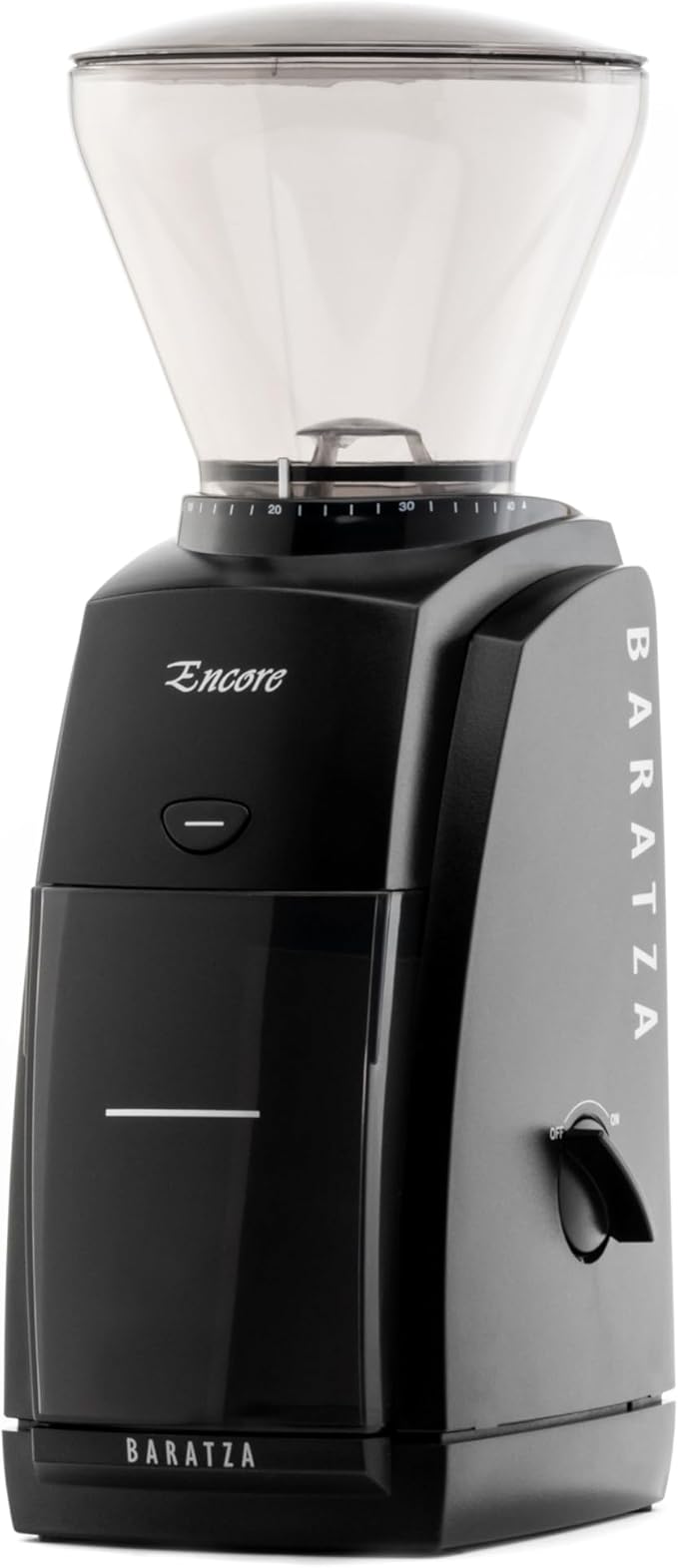
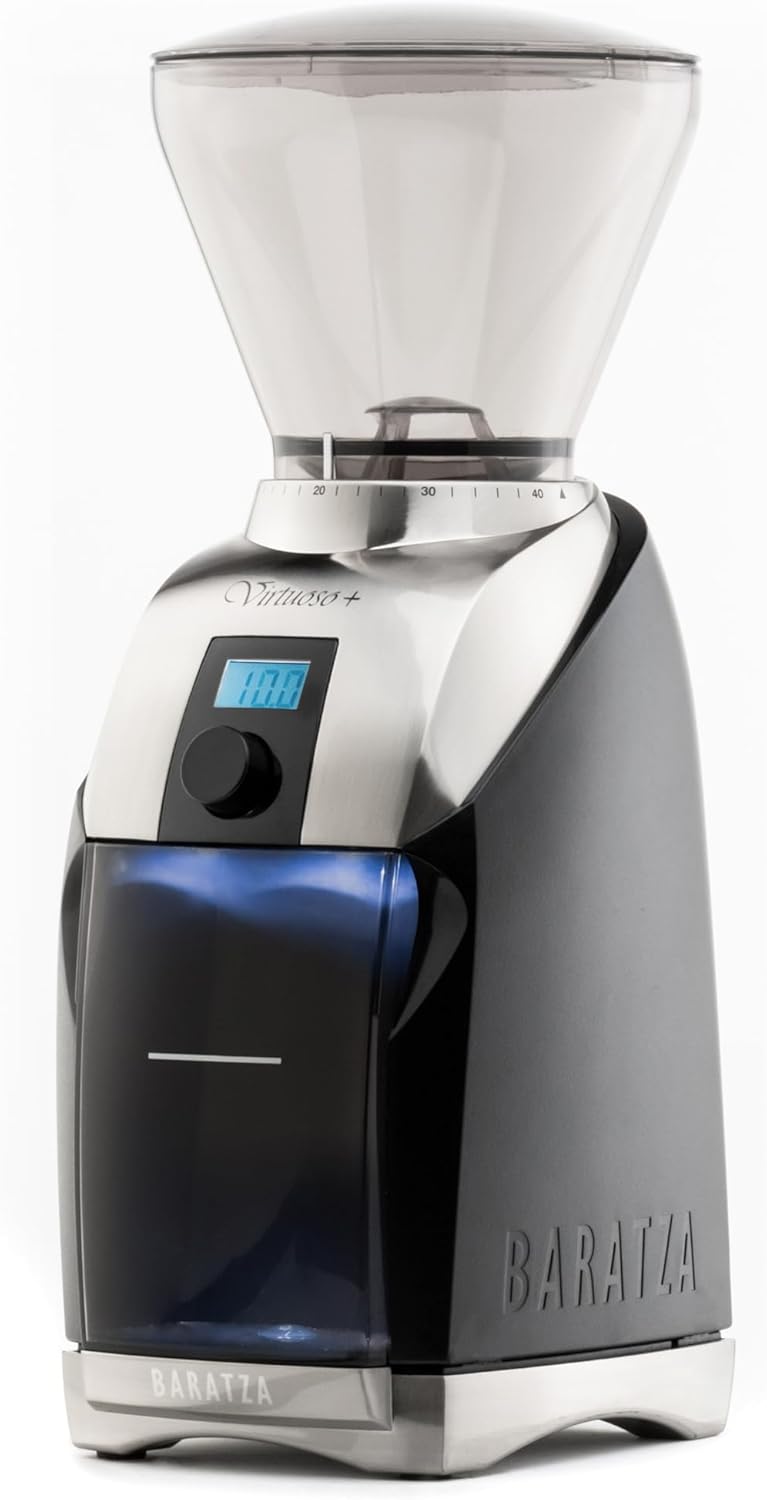
The grinder is your most critical investment. A quality burr grinder produces consistent particle distribution with minimal fines. Blade grinders and low-quality burr grinders create uneven particles that cause channeling and unpredictable extraction. For espresso, stepless grinders or those with 200+ grind settings provide the precision needed for fine-tuning.
A precision scale accurate to 0.1g allows you to measure both dose and yield consistently. Volumetric measurements (like counting seconds or watching cup markings) introduce too much variability. Digital scales designed for espresso typically include built-in timers and water-resistant designs.
Additional helpful tools include a distribution tool or WDT (Weiss Distribution Technique) needle to break up clumps, a calibrated tamper that fits your portafilter precisely, and a notebook or app to track your adjustments.
What's the Standard Starting Recipe for Dialing?
The industry-standard starting recipe is 18 grams of coffee producing 36 grams of espresso in 25-30 seconds, creating a 1:2 brew ratio. This recipe works as a baseline for medium-roast coffees and provides a balanced extraction that highlights both acidity and body. Start here, then adjust based on taste and the coffee's characteristics.
For smaller 58mm single baskets, try 9g in, 18g out in 25-30 seconds. For larger triple baskets (20-22g capacity), scale up to 20g in, 40g out. The 1:2 ratio remains consistent—you're simply matching dose to your basket size.
Some modern specialty cafés use higher ratios (1:2.5 or even 1:3) for lighter roasts to extract more sweetness and clarity. These "lungo-style" shots take 30-40 seconds and taste less intense but more tea-like. Conversely, ristretto ratios (1:1.5) produce thicker, more concentrated shots in 20-25 seconds.
Your baseline recipe should match your taste preferences and coffee style. Prefer intense, syrupy espresso? Start with 1:1.8. Like brighter, more delicate shots? Begin with 1:2.3.
How Do You Prepare Your Portafilter for Consistent Shots?
Consistent puck preparation prevents channeling and ensures even extraction across the entire coffee bed. Start with a clean, dry portafilter and basket. Dose your precise coffee amount (measured on your scale), then distribute grounds evenly before tamping. Poor distribution causes most extraction problems, not tamping pressure.
Use the WDT method: insert a thin needle (or dedicated WDT tool) into the grounds and stir in a circular pattern to break up clumps and create uniform density. This simple step dramatically reduces channeling, especially with grinders that produce more fines or clumpy grounds.
After distribution, tamp with firm, even pressure—about 30 pounds of force. Tamp consistency matters more than absolute pressure. Use a calibrated tamper or practice against a bathroom scale until 30 pounds becomes muscle memory. Ensure your tamp is level; tilted tamps create uneven resistance and channeling.
Finally, wipe any stray grounds from the portafilter rim to ensure a clean seal. Some baristas perform a light polish spin with the tamper to smooth the puck surface, though this is optional.
Lock the portafilter immediately after preparation. Waiting allows the puck to dry and crack, creating channels for water to rush through.
How Do You Adjust Grind Size Based on Taste?
Grind size is your primary adjustment tool—it controls flow rate and extraction efficiency. If your shot pulls too fast (under 25 seconds) and tastes sour, sharp, or thin, grind finer to slow extraction and increase yield. If your shot pulls too slow (over 35 seconds) and tastes bitter, ashy, or harsh, grind coarser to speed flow and reduce over-extraction.
Make small adjustments—typically one to three "clicks" or notches on stepped grinders, or 1-2mm rotation on stepless models. Pull a test shot after each change. Most grinders require purging 1-2 grams of coffee after adjustment to clear old settings from the burr chamber.
Taste is your ultimate guide. A properly extracted shot should taste balanced: noticeable acidity (brightness) without sourness, sweetness without cloying syrupiness, and pleasant bitterness without astringency. You should taste complexity—multiple flavor notes rather than one-dimensional taste.
Under-extracted shots (too coarse/fast) exhibit sour, salty, or grassy flavors with thin body. Over-extracted shots (too fine/slow) taste bitter, dry, or hollow with excessive astringency. The sweet spot produces a harmonious balance where no single element dominates.
Visual cues help too. Under-extracted shots often look pale and blonde, flowing in thin, fast streams. Over-extracted shots appear dark and can stall, dripping slowly or even stopping completely. Properly dialed shots flow like warm honey—thick, steady streams that gradually lighten to a golden blonde tail.
Should You Adjust Dose or Yield When Dialing?
Start by adjusting grind size while keeping dose and yield constant, then fine-tune dose or yield if needed to perfect flavor balance. Changing grind size affects extraction percentage and time simultaneously, giving you the most control. Dose and yield adjustments are secondary refinements once you're close to optimal extraction.
Increasing dose (more coffee) without changing yield creates a higher brew ratio and more concentrated espresso. This adds body and intensity but may increase bitterness if you over-extract. Decrease dose slightly if shots taste muddy or overly heavy.
Changing yield (output volume) adjusts strength and extraction without the equipment limitations of dose changes. Pulling more liquid (higher yield, like 40g instead of 36g) dilutes concentration but can extract additional sweetness from the coffee. Pulling less liquid (lower yield, like 32g) intensifies flavor but risks under-extraction if you don't compensate with finer grinding.
For single-origin light roasts, many specialty roasters recommend higher yields (1:2.5 to 1:3 ratios) to showcase delicate fruit and floral notes. For darker roasts and traditional blends, lower yields (1:1.8 to 1:2) emphasize body and chocolate notes.
Keep a brewing log noting dose, yield, time, and grind setting for each shot. This data helps you identify patterns and return to successful recipes when beans age or conditions change.
What's the Step-by-Step Dialing Process?
Begin with your baseline recipe: 18g dose, 36g yield target, and your grinder set to a medium-fine espresso setting. Prepare your puck carefully with WDT and consistent tamping. Start your timer as you engage the pump and stop when you hit 36g output. Note the extraction time.
If extraction finishes under 25 seconds, the grind is too coarse. Adjust finer by 2-3 clicks, purge your grinder, and pull another shot. If extraction exceeds 35 seconds or stalls, the grind is too fine. Adjust coarser by 2-3 clicks and test again. Continue making grind adjustments until you achieve 25-30 seconds for your 36g yield.
Once timing is in range, taste the shot. Evaluate acidity, sweetness, bitterness, and body. If it tastes sour despite proper timing, grind slightly finer and accept a longer extraction (30-32 seconds). If it tastes bitter despite timing, grind slightly coarser for 25-27 seconds.
Make one variable change at a time. Adjusting multiple factors simultaneously makes it impossible to identify what caused improvement or deterioration. Pull at least two shots per adjustment to account for preparation variance.
Document successful recipes immediately. Note grind setting, dose, yield, time, and taste descriptors. When you achieve excellent results, pull 3-4 consecutive shots to verify consistency before considering the coffee "dialed."
Expect to use 30-60g of coffee during dialing—budget this as part of the learning process. Drinking all your test shots isn't necessary; spit cups are perfectly acceptable for evaluation.
How Do You Troubleshoot Channeling Issues?
Channeling occurs when water finds paths of least resistance through your coffee puck, creating uneven extraction. Signs include fast shot times despite fine grinds, weak-tasting espresso, spraying or spurting from the portafilter spouts, and visible light-colored streaks in your puck after extraction. Channeling is a leading cause of inconsistent home espresso.
The primary cause is poor distribution. Clumpy grounds create density variations where water flows preferentially. Implement WDT consistently—stir grounds thoroughly with a thin needle before tamping to break up all clumps and create uniform density throughout the basket.
Inconsistent tamping also causes channeling. Tilted or uneven tamps create resistance gradients. Practice level, consistent tamps with your elbow directly over the portafilter. Consider a calibrated tamper or self-leveling tamper to ensure consistency.
Grinder quality significantly impacts channeling risk. Lower-quality grinders produce more fines (superfine particles) and boulders (large chunks), creating density variations even with perfect distribution. If you're experiencing persistent channeling with good technique, upgrading your grinder may be necessary.
Basket condition matters too. Worn baskets with damaged or clogged holes cause irregular flow. Inspect your basket regularly and replace when holes show wear or coffee oils build up despite cleaning.
Finally, check your coffee freshness and storage. Extremely fresh coffee (under 5 days post-roast) produces excessive CO2 that disrupts water flow. Very stale coffee (over 60 days) becomes brittle and breaks down inconsistently. Optimal espresso coffee is 7-35 days off roast.
How Does Water Temperature Affect Dialing?
Water temperature directly impacts extraction rate and solubility—hotter water extracts faster and more completely, while cooler water slows extraction and emphasizes different compounds. Most espresso machines brew at 195-205°F, with 200°F (93°C) as the standard starting point. Temperature becomes a fine-tuning variable once grind, dose, and yield are optimized.
Increase temperature by 2-3°F if shots taste sour or grassy despite proper grind and timing. Higher temperatures improve extraction of desirable sweetness and body from under-extracting coffees. Light-roast single origins often benefit from 202-205°F to fully develop their complex acidity and fruit notes.
Decrease temperature by 2-3°F if shots taste overly bitter, ashy, or astringent despite coarser grinds. Lower temperatures slow extraction of harsh compounds. Dark roasts typically perform better at 195-198°F to prevent over-extraction of bitter elements.
Not all home machines allow temperature adjustment. Entry-level models use fixed thermostats. Mid-range and professional machines offer PID (Proportional-Integral-Derivative) controllers with precise temperature settings. If your machine lacks temperature control, focus on grind, dose, and yield adjustments instead.
Temperature stability matters as much as absolute temperature. Machines that fluctuate ±5°F or more produce inconsistent shots even with perfect other variables. Temperature surfing (flushing water to manually control temperature) helps on single-boiler machines but adds complexity to your workflow.
How Often Should You Re-Dial Your Espresso?
Re-dial whenever you change coffee beans, notice taste degradation, or encounter significant environmental changes. Fresh coffee degasses during its first two weeks, requiring minor grind adjustments every 3-5 days as flow characteristics change. After peak freshness (typically 14-30 days post-roast), stable coffee may hold dial-in settings for 1-2 weeks.
Major environmental shifts trigger re-dialing needs. Humidity increases cause grounds to clump more and may require slightly coarser grinds. Temperature drops can slightly slow extraction. Seasonal changes often demand small adjustments.
When opening a new bag of the same coffee from the same roaster, start with your previous successful recipe but verify with a test shot. Roasters maintain consistency, but batch variations, slight roast profile changes, and storage conditions create minor differences.
Switching coffee varieties always requires complete re-dialing. A light-roast Ethiopian coffee and a dark-roast Italian blend have entirely different optimal parameters. Don't assume settings transfer—start fresh with your baseline recipe.
If you notice declining taste quality or increasing shot-time variability with previously stable settings, coffee staleness is the likely culprit. Beans lose volatile aromatics and absorb ambient odors over time. Once coffee exceeds 45-60 days post-roast, even perfect dialing can't restore peak flavor.
Some advanced home baristas maintain multiple grinders or single-dose workflows to avoid re-dialing when switching coffees frequently. This approach saves waste but requires more equipment investment.
What Are Common Dialing Mistakes to Avoid?
The most common mistake is making multiple changes simultaneously—adjusting grind, dose, and temperature in one shot makes it impossible to identify what helped or hurt. Change only one variable per test shot, then evaluate results before making additional adjustments.
Inconsistent puck preparation undermines all other dialing efforts. Varying your distribution technique, tamp pressure, or dosing accuracy by even 0.5g creates enough variability to mask the effects of grind adjustments. Develop a ritualistic, repeatable preparation routine.
Judging shots purely by time without tasting is another pitfall. A 28-second shot sounds perfect but may taste terrible if other variables are wrong. Extraction time is a guideline, not an absolute rule—taste always overrides timer readings.
Using stale or improperly stored coffee makes dialing nearly impossible. Coffee stored in non-airtight containers or exposed to light and heat degrades rapidly, producing unpredictable extraction. Always use coffee within 60 days of roast date, stored in an opaque, airtight container at room temperature.
That 60-day window is the practical argument for buying whole bean from a roaster on a standing order rather than in bulk: you re-dial once per bag instead of fighting a slowly staling one. Peet's whole-bean range covers both ends of the espresso spectrum discussed above — dark traditional blends for body, single-origin light roasts if you want the 1:2.5–1:3 yields.
Impatience leads to abandoning adjustments too quickly. Coffee requires 2-3 shots per grind setting to account for preparation variance. Making tiny adjustments and testing extensively produces better results than large swings based on single shots.
Finally, neglecting equipment maintenance causes drift in supposedly stable recipes. Dirty screens, clogged baskets, and group head buildup all affect water flow and extraction. Clean your machine daily and backflush regularly to maintain consistency.
How Do Pressure Profiling and Advanced Variables Fit In?
Pressure profiling involves varying pump pressure during extraction rather than maintaining constant 9 bars throughout. Modern machines with pressure profiling capabilities allow you to emphasize different flavor aspects by manipulating pressure ramps, holds, and declines. However, master basic dialing with standard profiles before exploring pressure manipulation.
Advanced baristas use pre-infusion (low-pressure water saturation before full extraction) to reduce channeling and improve evenness. Most machines offer 2-8 seconds of pre-infusion at 2-4 bars. Longer pre-infusion benefits light roasts and helps manage fresh coffee's excessive CO2.
Flow profiling controls water flow rate rather than pressure, allowing precise manipulation of extraction dynamics. Declining flow profiles (starting fast, ending slow) can enhance clarity and sweetness in certain coffees. These techniques require machines with flow control devices or manual lever machines.
Turbo shots are high-ratio extractions (1:3 to 1:4) pulled in standard timeframes by using coarser grinds. This technique emerged from World Barista Championship competitions and emphasizes clarity and sweetness while reducing body. Turbo shots work particularly well with light-roast, fruit-forward coffees.
For home brewers, these advanced techniques are optional refinements. Focus first on mastering grind, dose, yield, and temperature with standard 9-bar profiles. Once you consistently produce excellent shots with basic variables, explore advanced manipulation if your equipment supports it.
Comparison: Espresso Dialing Variables at a Glance
| Variable | Effect on Extraction | When to Adjust | Typical Range |
|---|---|---|---|
| Grind Size | Finer = slower flow, more extraction | Primary adjustment tool; change first | Medium-fine to very fine |
| Dose (Input) | More coffee = more concentration, body | When intensity needs adjustment | 16-20g (double basket) |
| Yield (Output) | More liquid = less concentration, more extraction | When strength needs adjustment | 32-45g for double shot |
| Time | Longer = more extraction potential | Result of other adjustments, not primary control | 25-35 seconds |
| Temperature | Hotter = faster, more complete extraction | Fine-tuning after grind dialed | 195-205°F |
| Pressure | Higher = faster extraction, more agitation | Advanced; requires capable machine | 8-10 bars standard |
Frequently Asked Questions
How long should espresso extraction take?
A standard double shot should take 25-30 seconds from pump activation to reaching your target yield (typically 36g output from 18g coffee). However, prioritize taste over time—some light roasts extract optimally at 32-35 seconds, while certain recipes work well at 22-27 seconds. Use time as a guideline to assess flow rate, but always taste to determine actual extraction quality.
Why does my espresso taste sour?
Sour espresso indicates under-extraction, meaning water didn't extract enough soluble compounds from the coffee. The most common cause is too-coarse grind allowing water to flow too quickly (under 25 seconds). Other causes include too-low water temperature, insufficient dose, or channeling that creates uneven extraction. Grind finer as your first adjustment step.
Can you dial in espresso without a scale?
While technically possible, dialing without a scale dramatically reduces consistency and repeatability. Measuring by volume introduces too much variability because crema amounts fluctuate wildly. A 0.1g-accurate scale costs $20-30 and transforms espresso from guesswork into precision. This investment pays for itself in reduced wasted coffee and improved results within the first week.
What's the difference between ristretto and lungo?
Ristretto uses a lower brew ratio (typically 1:1.5, like 18g in to 27g out) for shorter, more concentrated shots emphasizing body and intensity. Lungo uses higher ratios (1:2.5 to 1:3, like 18g in to 45-54g out) for longer, more dilute shots that emphasize clarity and sweetness. Both require grind adjustments to maintain proper extraction time—coarser for lungo, finer for ristretto.
How do you know when espresso is perfectly dialed?
Perfectly dialed espresso tastes balanced across acidity, sweetness, and bitterness with no single element dominating. You should taste complexity—multiple distinct flavor notes rather than one-dimensional taste. The shot should have pleasant sweetness without cloying syrupiness, bright acidity without sourness, and gentle bitterness without harshness. Consistency across multiple consecutive shots confirms proper dialing rather than luck.
Master the Art of Espresso Dialing
Dialing in espresso transforms from intimidating mystery to systematic process once you understand the fundamental variables and their interactions. Start with a proven baseline recipe, make one adjustment at a time, and always trust your palate over arbitrary rules. The 18g-in-36g-out-in-30-seconds guideline serves as your starting point, not your destination.
Quality equipment—particularly a consistent burr grinder and precise scale—makes the difference between frustration and success. While you can't control every variable with entry-level gear, focusing on excellent puck preparation and systematic grind adjustments produces remarkable improvements even with modest equipment.
Every coffee requires fresh dialing because beans change with age, environment, and variety. Rather than viewing this as tedious maintenance, embrace it as the creative aspect of home espresso. The 30-60g of coffee invested in dialing each bag yields hundreds of grams of perfectly extracted shots.
Ready to dial in your next espresso? Start with proper puck preparation, make small grind adjustments based on extraction time, then fine-tune by taste. Document your successful recipes, and you'll build a personal library of proven parameters for your favorite coffees. Perfect espresso awaits—one adjustment at a time.
Affiliate Disclosure
Discussion
Sign in with GitHub to leave a comment. Your replies are stored on this site's public discussion board.
Continue Reading

Wacaco Picopresso Review: The Best Portable Espresso Maker?
June 20, 2026

Best Portable Espresso Makers 2026: 6 Travel Picks Ranked
June 20, 2026

Bialetti Moka Express 3-Cup Review: Italian Stovetop Espresso at $30
April 18, 2026

Gaggia Classic Pro Review: The $500 Espresso Machine Worth the Learning Curve
April 17, 2026