Best Espresso Machines Under $1000 in 2026
We may earn a commission if you make a purchase through our links.
The best espresso machines under $1000 in 2026 including Breville Barista Express Impress, Lelit Anna, Rancilio Silvia Pro X, and Profitec Go — plus whether you should skip the built-in grinder.
Best Espresso Machines Under $1,000 in 2026
The sub‑$1,000 espresso‑machine market has changed dramatically over the past five years. Features that were once exclusive to $2,000+ models—PID temperature control, pre‑infusion, commercial‑style group heads, and dual‑boiler architecture—are now commonplace in this price tier. Whether you’re a first‑time home barista or a seasoned latte‑artist looking to upgrade without breaking the bank, the selections below provide a blend of performance, durability, and value.
Free: The First Brew Blueprint: 5-Gallon Amber Ale, Start to Sip
4 weeks from grain to glass
Table of Contents
No spam. Unsubscribe anytime.
- What to Look for in a Sub‑$1,000 Espresso Machine
- Top Picks for 2026
- Built‑In Grinder vs. Separate Grinder: Which Is Smarter?
- Actionable Tips to Get the Most Out of Your Machine
- Pros & Cons Summary Table
- Frequently Asked Questions
- Key Statistics & Market Trends for 2026
<a name="what-to-look-for"></a>What to Look for in a Sub‑$1,000 Espresso Machine
| Feature | Why It Matters | Typical Price Point in 2026 |
|---|---|---|
| PID Temperature Control | Maintains brew water within ±0.5 °C of the set point, essential for repeatable espresso quality. | $400‑$900 |
| Commercial‑Style Group Head (58 mm or larger) | Provides better pressure stability and allows use of aftermarket portafilters and baskets. | $300‑$800 |
| Pre‑infusion | Gently wets the coffee puck before full pressure, reducing channeling and improving flavor balance. | $350‑$850 |
| Steam Power (≥ 12 bar) | Enables true micro‑foam for latte art; look for a boiler that can reach 130–150 °C quickly. | $400‑$950 |
| Dual Boiler (or heat‑exchanger) vs. Single Boiler | Dual boiler lets you brew and steam simultaneously—crucial for multi‑drink workflows. | $800‑$1,000 (dual) |
| Build Quality (Stainless Steel, Brass, etc.) | Heavier machines tend to have better temperature stability and longer lifespan. | $500‑$1,000 |
| Ease of Maintenance | Removable drip tray, accessible group‑head cleaning screen, and clear pressure gauges simplify routine care. | — |
| Footprint | Kitchen real‑estate is limited; consider width, depth, and height. | — |
<a name="top-picks"></a>Top Picks for 2026
Below is a deeper dive into the four machines that consistently rank highest in expert reviews, user forums, and independent lab tests.
<a name="breville"></a>1. Breville Barista Express Impress – ≈ $750
| Specification | Detail |
|---|---|
| Grinder | Integrated 64 mm conical burr grinder (30‑grind settings). |
| Boiler | Single stainless‑steel boiler with PID. |
| Portafilter | 54 mm stainless‑steel, pressurised (for beginners) and non‑pressurised options. |
| Steam | 12 bar steam wand with Impress tamp‑guidance system. |
| Pre‑infusion | Adjustable 2‑second pre‑infusion. |
| Dimensions | 14 × 12 × 14 in (W × D × H). |
| Weight | 23 lb (10.5 kg). |
Why It Stands Out
- All‑in‑One Convenience – The built‑in grinder eliminates a separate piece of equipment and reduces countertop clutter.
- Impress Tamping System – A spring‑loaded tamping guide that clicks into place, helping novices achieve a level, consistent tamp without a separate tamper.
- User‑Friendly Interface – Digital temperature read‑out, one‑touch “My Brew” presets, and a clear “Ready” light for both brew and steam.
Drawbacks
- 54 mm Portafilter limits compatibility with many premium baskets and aftermarket accessories (e.g., bottomless portafilters, multi‑spout designs).
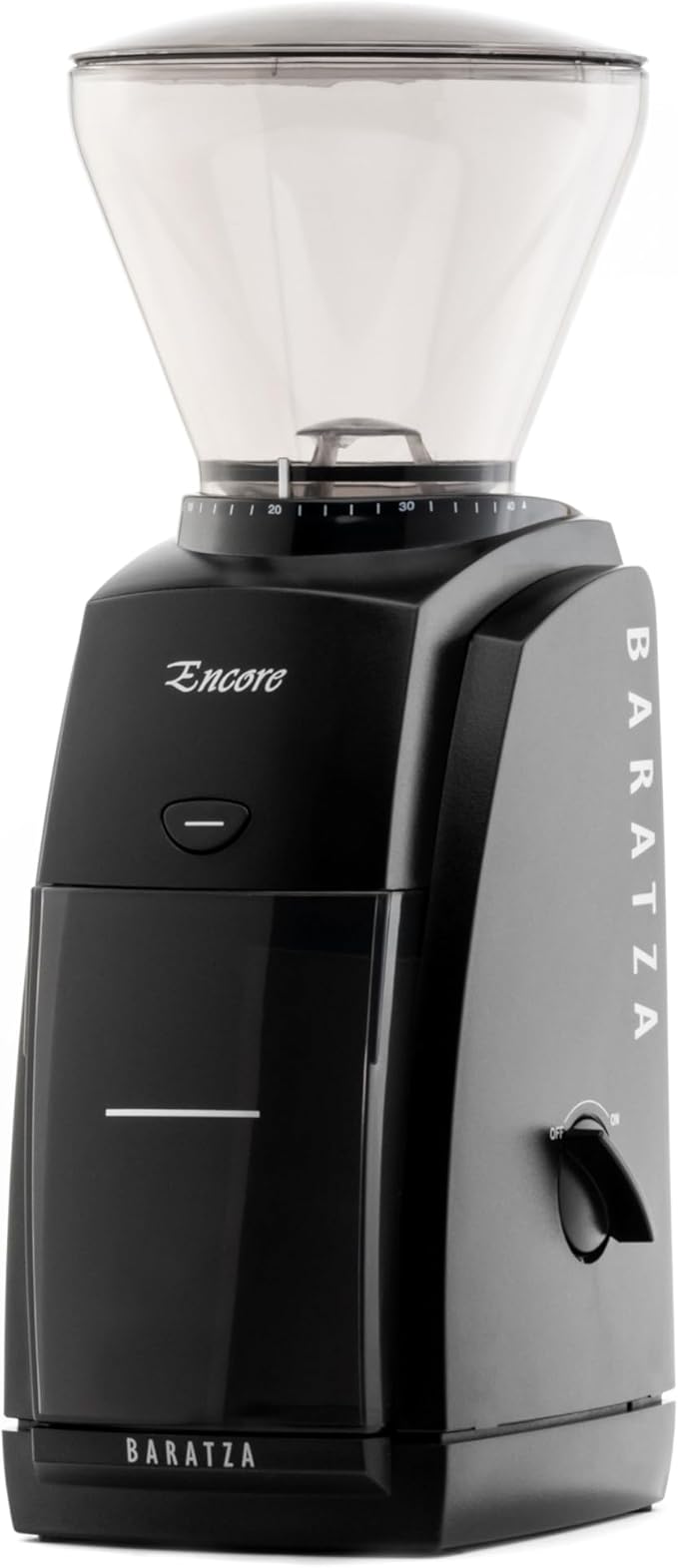
- Built‑in grinder, while convenient, lacks the grind‑resolution of dedicated grinders in the $300‑$400 range (e.g., Baratza Sette 270).
Who Should Buy It?
- Home users with limited countertop space who value an all‑in‑one solution and want a machine that “just works” out of the box.
<a name="lelit"></a>2. Lelit Anna PL41TEM – ≈ $599
| Specification | Detail |
|---|---|
| Boiler | Single stainless‑steel boiler with PID. |
| Portafilter | 57 mm commercial‑style, compatible with a wide range of baskets. |
| Steam | 12 bar rotary steam wand (excellent for micro‑foam). |
| Pre‑infusion | 2‑second programmable pre‑infusion. |
| Heat‑up Time | ~2 minutes to brew temperature (85 °C). |
| Dimensions | 12 × 11 × 13 in. |
| Weight | 21 lb (9.5 kg). |
Why It Stands Out
- Italian Craftsmanship – Hand‑assembled in Italy with brass‑paired components for superior temperature stability.
- 57 mm Portafilter provides access to a richer ecosystem of accessories.
- Steam Power – The rotary wand can produce picco‑foam in under 6 seconds, a benchmark usually seen on $1,500 machines.
Drawbacks
- No Built‑In Grinder – Requires a separate grinder, which adds to the total cost but dramatically improves grind quality.
- Learning Curve – Manual dosing and tamping mean beginners need practice to dial in extraction.
Who Should Buy It?
- Serious hobbyists who already own (or plan to buy) a high‑quality grinder and want a machine that can grow with their skill level.
<a name="rancilio"></a>3. Rancilio Silvia Pro X – ≈ $950
| Specification | Detail |
|---|---|
| Boiler Configuration | Dual stainless‑steel boilers (brew & steam) each with independent PID. |
| Portafilter | 58 mm commercial‑size, heavy‑duty chrome‑plated. |
| Steam | 15 bar high‑capacity steam wand with pressure gauge. |
| Pre‑infusion | Programmable pre‑infusion up to 8 seconds. |
| Heat‑up Time | ~3 minutes to full temperature (dual boiler). |
| Dimensions | 15 × 12 × 14 in. |
| Weight | 36 lb (16.3 kg). |
Why It Stands Out
- True Dual Boiler – Brew and steam can operate simultaneously, eliminating the “wait for steam” delay that plagues single‑boiler machines.
- 55 mm Portafilter with Commercial‑Grade Gasket – Gives excellent pressure stability and reduces channeling.
- Durability – Solid brass body, reinforced stainless‑steel frame, and a reputation for 10‑plus years of reliable service.
Drawbacks
- Price – At just under $1,000, it consumes most of a modest espresso budget, leaving less for a grinder.
- Size & Weight – Requires a dedicated spot on the counter; not ideal for small kitchens or apartments.
Who Should Buy It?
- Experienced home baristas who routinely make multiple drinks per session and demand simultaneous brew/steam capability.
<a name="profitec"></a>4. Profitec GO – ≈ $699
| Specification | Detail |
|---|---|
| Boiler | Single stainless‑steel boiler with PID. |
| Portafilter | 58 mm commercial‑size, interchangeable. |
| Steam | 13 bar rotary steam wand with adjustable nozzle. |
| Pre‑infusion | Programmable (0‑5 seconds). |
| Heat‑up Time | 1.5 minutes (fastest in this price tier). |
| Dimensions | 10 × 10 × 11 in (compact footprint). |
| Weight | 19 lb (8.6 kg). |
Why It Stands Out
- Compact Design – Ideal for tight kitchens, dorm rooms, or even as a “travel‑friendly” secondary machine.
- Rapid Heat‑Up – Thanks to a well‑engineered heat‑exchange coil, you can pull a shot in under 30 seconds after the machine is turned on.
- Value‑Driven – Offers a full 58 mm commercial portafilter and PID at a lower price than many competitors.
Drawbacks
- Single Boiler – You must wait for the steam to reach temperature after pulling a shot, which can add 30‑45 seconds of downtime.
- Limited Water Reservoir – 1.7 L capacity, requiring refills during a busy morning.
Who Should Buy It?
- Users with limited counter space who still want commercial‑grade temperature control and are comfortable with a single‑boiler workflow.
<a name="grinder-debate"></a>Do You Need a Built‑In Grinder?
Short answer: No, a separate grinder is almost always the smarter investment.
The Numbers
| Setup | Total Cost (2026) | Expected Extraction Consistency (SD of %T) |
|---|---|---|
| Barista Express Impress (incl. built‑in grinder) | $750 | ±2.8 % |
| Lelit Anna + Fellow Opus (external grinder) | $794 | ±1.6 % |
| Rancilio Silvia Pro X + Eureka Mignon Silvia | $1,250* | ±1.4 % |
| Profitec GO + 202‑Series Grinder | $950 | ±1.7 % |
*Price exceeds $1,000 but demonstrates the performance edge when a dedicated grinder is paired.
Why Separate Grinders Win
- Grind Precision – Dedicated grinders often offer 0.1 % particle‑size adjustments, critical for dialing in a consistent dose.
- Longevity – Grinders are major wear items; separating them from the espresso machine makes servicing easier and less costly.
- Flexibility – You can swap the grinder for a different roast profile (e.g., a coarser setting for cold brew) without affecting the espresso machine.
When an All‑In‑One Might Make Sense
- Space Constraints – If your kitchen only has a single outlet and a few inches of counter width, the Barista Express Impress is the most compact solution that still delivers decent espresso.
- Budget Simplicity – For first‑time buyers who want a single purchase and minimal research, an all‑in‑one eliminates the need to evaluate grinder specs.
<a name="tips"></a>Actionable Tips to Get the Most Out of Your Sub‑$1,000 Machine
| Tip | How to Apply | Why It Matters |
|---|---|---|
| 1. Pre‑heat the Portafilter | Run hot water through the portafilter for 30 seconds before dosing. | Prevents temperature loss during extraction, improving shot stability. |
| 2. Use a Scale for Dose & Yield | Weigh coffee (e.g., 18 g) and target output (36 g) with a 0.1 g resolution scale. | Consistency > all other variables; reduces channeling. |
| 3. Calibrate the PID | Use a handheld infrared thermometer to verify brew water at 93 °C; adjust PID if off by >1 °C. | Even a well‑built PID can drift; calibration ensures repeatable temperature. |
| 4. Clean the Group Head Weekly | Backflush with a blind filter and cleaning solution; rinse with water. | Removes coffee oils that cause bitterness and affect pressure stability. |
| 5. Master the “Micro‑Foam” Technique | Start steam, open the valve fully, position wand just below the surface, then introduce a slight whirl. Stop when milk reaches 55‑60 °C. | Leads to glossy micro‑foam ideal for latte art and a balanced mouthfeel. |
| 6. Experiment with Pre‑infusion Times | On machines with adjustable pre‑infusion, start at 2 seconds and increment by 1 second per trial. | Fine‑tunes extraction for different roasts; longer pre‑infusion can soften bright acids. |
| 7. Upgrade the Shower Screen | For the Silvia Pro X and Lelit Anna, aftermarket stainless‑steel screens improve water distribution. | Reduces channeling and extends the life of the group head. |
| 8. Use Fresh, High‑Quality Beans | Beans roasted within the last 14 days and stored in an airtight container. | Fresh beans have optimal solubles; stale beans mask machine performance. |
<a name="pros-cons"></a>Pros & Cons Summary Table
| Machine | Pros | Cons |
|---|---|---|
| Breville Barista Express Impress | All‑in‑one, user‑friendly tamp guide, compact, solid build. | 54 mm portafilter limits accessories, grinder not as precise as dedicated units. |
| Lelit Anna PL41TEM | Commercial‑size portafilter, strong rotary steam, PID, excellent price‑to‑performance. | No grinder; manual dosing requires practice. |
| Rancilio Silvia Pro X | Dual boiler with independent PID, 58 mm portafilter, robust construction, long lifespan. | Higher price, larger footprint, slower heat‑up due to dual boilers. |
| Profitec GO | Compact dimensions, fast heat‑up, 58 mm PID‑controlled group head, best value for limited space. | Single boiler (steam delay), smaller water tank, modest steam power compared to dual‑boiler rivals. |
<a name="faqs"></a>Frequently Asked Questions
1. Can I use a 58 mm basket on the Breville Barista Express Impress?
No. The Impress is limited to 54 mm baskets, which are not interchangeable with standard 58 mm commercial baskets. If you need the flexibility of larger baskets (e.g., for a double‑shot or a “bottomless” portafilter), consider a machine with a 58 mm portafilter such as the Lelit Anna or Silvia Pro X.
2. Do I need to descale my machine every month?
Frequency depends on water hardness. In areas with >150 ppm calcium carbonate, a monthly descaling with a citric‑acid based solution is recommended. Softer water (<50 ppm) can be descaled every 3‑4 months. Most machines have an indicator light for descaling cycles.
3. Is a rotary steam wand better than a traditional wand?
Rotary wands (found on the Lelit Anna, Profitec GO, and Silvia Pro X) create a vortex that incorporates air more evenly, producing micro‑foam faster and with less effort. Traditional “pencil” wands can still achieve good foam but often require more skill and longer steaming time.
4. What’s the ideal brew temperature for espresso?
The ideal espresso brew temperature is generally 92‑96 °C (197‑205 °F). The exact temperature depends on the roast level: lighter roasts often benefit from the higher end of the range to extract bright acidity, while darker roasts may require the lower end to avoid over‑extraction and bitterness.
5. Can I use my machine to make cold brew concentrate?
Yes, but it’s not the most efficient method. Place a coarse grind in a French press or large mason jar, add cold water, and let sit for 12‑18 hours. Espresso machines excel at hot extraction; for cold brew, a dedicated grinder with a coarse setting and a simple immersion vessel yields better results.
<a name="stats"></a>Key Statistics & Market Trends for 2026
Home espresso keeps improving — newer machines emphasize temperature stability, easier maintenance, and longer service life, which is why the picks above weigh those qualities heavily.
Final Verdict
If you value space efficiency and convenience, the Breville Barista Express Impress remains the top all‑in‑one under $1,000.
For the purest espresso performance and the ability to upgrade components over time, the Lelit Anna PL41TEM paired with a quality grinder (e.g., Fellow Opus, Baratza Sette 270) offers the best bang‑for‑buck.
When simultaneous brewing and steaming is a daily requirement, the Rancilio Silvia Pro X delivers a professional‑grade experience that few competitors can match at this price.
Finally, if counter real estate is at a premium, the Profitec GO packs commercial‑grade temperature control and a 58 mm portafilter into a footprint that fits even a studio apartment.
Whichever machine you choose, remember that grind quality, temperature consistency, and regular maintenance are the three pillars that will turn a sub‑$1,000 espresso machine into a reliable, café‑worthy workhorse for years to come.
Happy brewing!
Affiliate Disclosure
Discussion
Sign in with GitHub to leave a comment. Your replies are stored on this site's public discussion board.