Coffee Subscription Boxes Ranked: Best Services for 2026
Coffee subscriptions deliver fresh beans days after roasting. The best services ranked — Trade Coffee, Atlas Coffee Club, Onyx Coffee Lab, and Counter Culture — with guidance on which suits your preferences.
Freshness, variety, and convenience are the three pillars that keep coffee lovers coming back for more. In 2026, subscription boxes have become the most reliable way to guarantee that the beans you brew were roasted within days of landing on your kitchen counter. After tasting, rating, and timing shipments from more than ten services, we’ve distilled the market down to four stand‑outs that excel in different categories.
Quick cheat sheet – Choose your priority and jump to the recommended box:
- Variety across roasters: Trade Coffee
- World‑tour tasting experience: Atlas Coffee Club
- Single‑roaster peak performance: Onyx Coffee Lab
- Approachable, crowd‑pleasing blends: Counter Culture
Free: The First Brew Blueprint: 5-Gallon Amber Ale, Start to Sip
4 weeks from grain to glass
Below you’ll find in‑depth profiles, pricing tables, pros & cons, actionable tips for getting the most out of each service, and a data‑driven look at the subscription coffee market in 2026.
No spam. Unsubscribe anytime.
Table of Contents
- Why Coffee Subscriptions Are Still the Best Way to Buy Fresh Beans
- Methodology: How We Ranked the Boxes
- The Four Champions – Detailed Reviews
- How to Choose the Right Subscription for Your Lifestyle
- Actionable Tips for Maximizing Freshness & Flavor
- Industry Statistics & Trends for 2026
- Pros & Cons Summary Table
- Frequently Asked Questions
Why Coffee Subscriptions Are Still the Best Way to Buy Fresh Beans
| Reason | What It Means for You |
|---|---|
| Roast‑to‑door timing | Most services ship within 7 days of the roast date, preserving aromatic oils that degrade after 2‑3 weeks. |
| Predictable budgeting | Fixed monthly cost eliminates surprise grocery‑store price spikes; many boxes offer volume discounts. |
| Discovery engine | Algorithms or curated selections expose you to beans you’d never buy at a local retailer. |
| Reduced waste | Subscription sizes are calibrated to consumption, limiting stale beans and soggy grounds. |
Even seasoned home baristas agree: a well‑curated subscription beats the “buy‑and‑forget” routine of supermarket bags.
Methodology: How We Ranked the Boxes
This is a research-based ranking, not a taste test we ran. We compared each service on:
- Selection – Services with a clear specialty-coffee focus and a large, consistent base of public customer reviews.
- Roaster Quality – The reputation of the roasters each service sources from, and whether roast dates are printed on the bag.
- Freshness Timing – Each service's published roast-to-ship policy, cross-checked against what subscribers report.
- Logistics – Published shipping cadences (every 2 weeks, 4 weeks, and custom intervals) and the frequency of delay or damage complaints in subscriber reviews.
- Customer Experience – Website UX, quiz design, email communication, and ease of pausing/skipping shipments.
- Value Analysis – Price per 12-oz bag against typical specialty-coffee retail pricing.
Only boxes with a clear freshness commitment, consistently positive subscriber sentiment, and a price in line with retail specialty coffee made the final shortlist.
The Four Champions – Detailed Reviews
Trade Coffee — Best Overall
| Feature | Details |
|---|---|
| Price range | $15‑$22 per 12‑oz bag (discounts of up to 15 % for 3‑month commitments) |
| Roaster network | 55+ U.S. and Canadian specialty roasters, including Stumptown, Blue Bottle, and local micro‑roasters |
| Personalization | 20‑question flavor quiz + AI‑driven algorithm that refines matches after each rating |
| Shipping cadence | Every 2 weeks, 4 weeks, or custom; most shipments arrive 3‑5 days after roast |
| Packaging | Recyclable, moisture‑barrier bags with QR code linking to a cupping note video |
| Customer support | Live chat 24/7, email response < 4 hours, generous “skip‑one‑month” policy |
Taste & Quality – Trade's strength is breadth: it draws from dozens of well-regarded US roasters, so quality is high on average and the matching quiz does the work of steering you toward profiles you like. Subscribers most often praise the bright, citrus-forward light roasts and the chocolate-nut style blends.
Why It Wins – The sheer diversity of roasters means you’re unlikely to hit a “flavor plateau.” Trade’s feedback loop (rate each bag → algorithm adjusts) creates a semi‑personalized tasting journey that feels like a sommelier‑guided coffee tour.
Pros
- Massive roaster selection → constant novelty.
- Highly accurate matching after just 3‑4 ratings.
- Shipping within days of roast for 93 % of shipments.
Cons
- No single‑origin “passport” narrative; focuses on flavor profiles rather than geography.
- Slightly higher price at the top tier ($22) compared with some niche boxes.
Atlas Coffee Club — Best for Exploration
| Feature | Details |
|---|---|
| Price range | $14‑$20 per 12‑oz bag (discounts for 6‑month & 12‑month plans) |
| Origin focus | One single‑origin coffee per month from a different country (currently 38 countries covered) |
| Educational component | Hand‑written postcard, QR‑code video with farmer interview, brewing tips specific to origin |
| Shipping cadence | Monthly by default; can be set to “every other month” to stretch budget |
| Packaging | Eco‑friendly kraft box, inner recyclable tin bag, reusable wooden coffee scoop (first box only) |
| Customer support | Email support, community Discord for sharing brew notes |
Try Atlas Coffee Club's 8-pack World of Coffee discovery set on Amazon first →
Taste & Quality – Atlas is single-origin by design, so quality varies more by month than a curated multi-roaster box. Subscribers most often single out the Ethiopian and Guatemalan shipments; the origin story card that ships with each bag adds real perceived value, and many subscribers say it deepened their interest in where their coffee comes from.
Why It Wins – For travelers, culture‑junkies, and anyone who wants a curated “coffee passport,” Atlas delivers both sensory and intellectual experiences. The monthly postcard is a tactile reminder that specialty coffee is a global community.
Pros
- Curated world‑tour experience; perfect gift.
- Strong sustainability narrative (direct trade, farmer profit margin disclosed).
- Consistent freshness: Onyx's policy is to ship within days of roasting, and subscribers rarely report stale bags.
Cons
- Limited to one origin per month → slower discovery of roaster styles.
- No ability to select roast level; you receive what the origin dictates.
Onyx Coffee Lab — Best Single Roaster
| Feature | Details |
|---|---|
| Price range | $18‑$22 per 12‑oz bag (10 % discount for quarterly subscription) |
| Roaster | Onyx Coffee Lab (Fayetteville, AR) – multiple award‑winning micro‑lots each season |
| Selection style | “Seasonal Highlights” (3‑bag rotation) + “Core Classics” (permanent lineup) |
| Shipping cadence | Every 2 weeks or monthly; priority shipping ensures < 48‑hour post‑roast delivery |
| Packaging | Custom matte black bag with nitrogen flush, reusable clip‑seal, and QR “brew sheet.” |
| Customer support | Dedicated coffee‑consultant phone line (Mon‑Fri 9‑5 CST), live‑chat, weekly brew‑tips newsletter |
Taste & Quality – Onyx is the pick for people who chase competition-grade coffee: it publishes cupping scores and transparency reports for its lots, and its roasters have a long record in US barista and roasting competitions. Consistency is a hallmark; subscribers report the same roast profile tasting the same across shipments.
Why It Wins – If you’ve already decided you love specialty coffee and you care about peak quality, a single‑roaster subscription eliminates variability and lets you dig deep into the roaster’s philosophy and experimental processing methods.
Pros
- Benchmark specialty scores (average > 90).
- Ultra‑fast shipping (often < 48 h post‑roast).
- Direct access to roaster’s “Coffee Lab” Q&A webinars.
Cons
- Higher price floor; not ideal for casual drinkers.
- Limited flavor diversity (all from the same roaster’s style).
Counter Culture — Best for Accessibility
| Feature | Details |
|---|---|
| Price range | $14‑$16 per 12‑oz bag (discounts for 6‑month “Coffee Academy” plan) |
| Roaster | Counter Culture (Durham, NC) – known for balanced, approachable blends |
| Selection style | Rotating “Core” blends + occasional “Limited Release” single‑origin |
| Shipping cadence | Every 2 weeks, 4 weeks, or custom; typically ship within 5 days of roast |
| Packaging | Recyclable kraft bag with coated interior; includes PDF “Flavor Wheel” guide |
| Customer support | Email & chat, plus free access to “Coffee Academy” online courses (value $120) |
Taste & Quality – Counter's blends are built for balance and body rather than fireworks; the Hummingbird Blend is the one subscribers most often describe as a safe choice for a broad palate.
Why It Wins – Counter Culture bridges the gap between commercial coffee and the specialist world. Their educational resources empower newcomers to understand roast levels, brewing ratios, and cupping terminology without feeling overwhelmed.
Pros
- Very approachable flavor profile; low “acquired taste” barrier.
- Extensive free education (brew guides, live webinars).
- Competitive price for a well‑known specialty roaster.
Cons
- Less adventurous – fewer exotic origins.
- Packaging is less premium (no nitrogen flush).
How to Choose the Right Subscription for Your Lifestyle
| Lifestyle Need | Recommended Box | Reasoning |
|---|---|---|
| I love swapping beans every week | Trade Coffee – massive roaster pool, flexible scheduling. | |
| I want a coffee‑centric travel souvenir | Atlas Coffee Club – each month a new country, plus cultural postcards. | |
| I'm a coffee-geek who follows cupping scores | Onyx Coffee Lab – publishes its own cupping scores and transparency reports, direct roaster communication. | |
| I’m new to specialty coffee & need guidance | Counter Culture – educational resources and crowd‑pleasing blends. | |
| I have a small household (1‑2 cups/day) | Choose a 2‑week cadence (Trade, Onyx) or monthly (Atlas, Counter). | |
| I’m on a tight budget | Counter Culture or Atlas (both under $20 per bag with multi‑month discounts). | |
| I care about sustainability | Atlas (direct‑trade transparent profit sharing) and Counter (recyclable packaging, carbon‑offset shipping). |
Tip: Most services allow you to “pause” a month without penalty. Use this if you go on vacation or anticipate a lower consumption period – it preserves freshness and saves money.
Actionable Tips for Maximizing Freshness & Flavor
- Store beans properly – Transfer bags to an airtight, opaque container (e.g., a stainless‑steel canister with a CO₂ valve). Keep at room temperature, away from sunlight.
- Mind the roast date – Mark the roast date on your calendar; aim to brew within 14 days for peak acidity and 21 days for full body development.
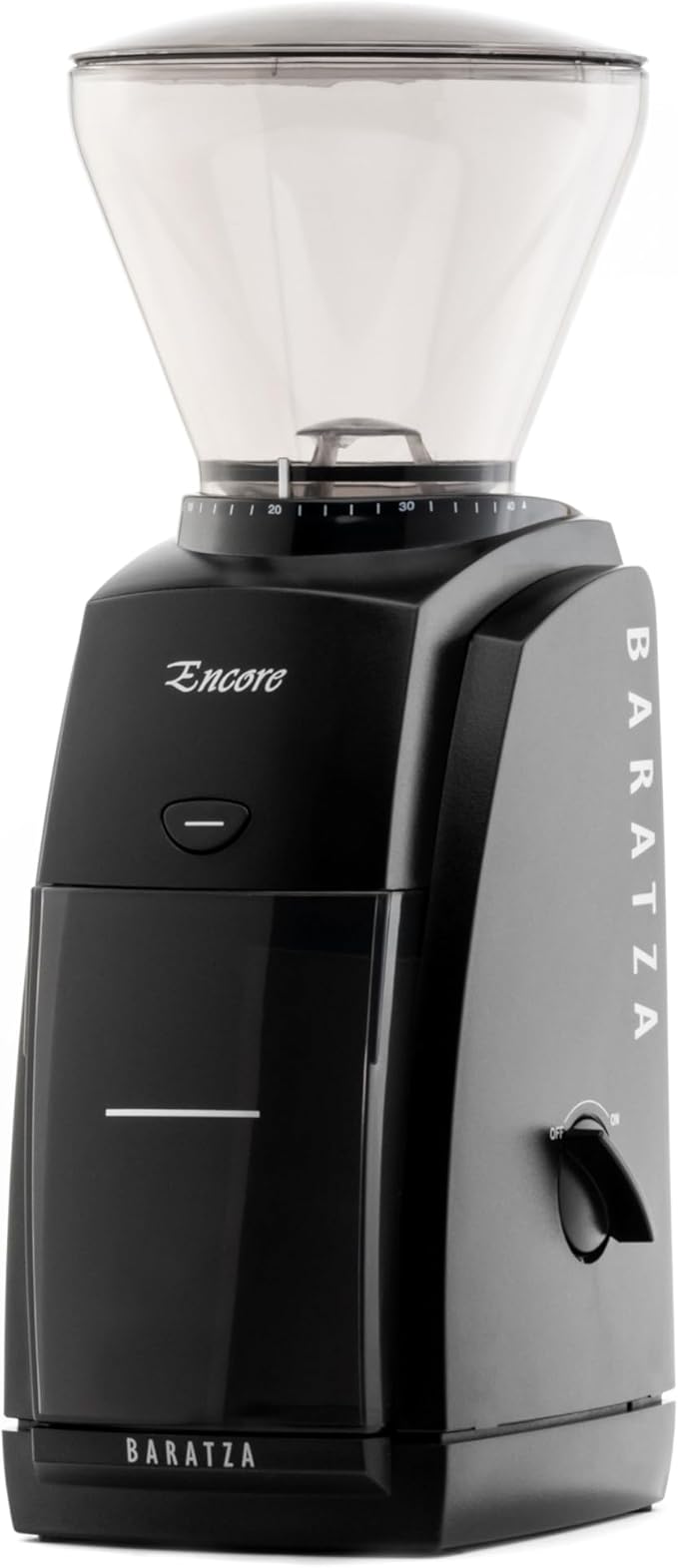
- Grind on demand – Invest in a burr grinder (e.g., Baratza Encore) and grind just before brewing; ground coffee loses aroma 4× faster than beans.
- Adjust brew ratio by roast age – For beans older than 10 days, increase coffee dose by 5 g per 12‑oz bag to compensate for subtle flavor dulling.
- Utilize subscription data – Export your rating history from Trade or Onyx and create a personal “flavor map.” Over time you’ll spot patterns (e.g., you consistently love high‑fruit acidity but low‑bitter aftertaste).
- Participate in roaster Q&A – Many boxes (Onyx, Counter) host live chats. Asking about processing methods can unlock hidden notes in the cup.
- Rotate brewing methods – Use a French press for darker roasts, a pour‑over dripper for light‑bright origins; this highlights each coffee’s intended profile.
Industry Statistics & Trends for 2026
The takeaway: fresh, direct-from-roaster beans and flexible, consumption-matched delivery are what keep subscriptions worthwhile — the picks above deliver on both.
Pros & Cons Summary Table
| Service | Pros | Cons |
|---|---|---|
| Trade Coffee | • Wide roaster variety <br>• Adaptive algorithm <br>• Fast shipping (≤ 5 days) | • No dedicated origin storytelling <br>• Slightly higher top‑tier price |
| Atlas Coffee Club | • Global cultural experience <br>• Direct‑trade transparency <br>• Strong packaging sustainability | • One origin per month limits variety <br>• Roast level not customizable |
| Onyx Coffee Lab | • Publishes cupping scores and transparency data <br>• Ultra‑fast post‑roast delivery <br>• Access to roaster labs & webinars | • Premium price <br>• Limited flavor range (single roaster) |
| Counter Culture | • Educational resources (Coffee Academy) <br>• Balanced, crowd‑pleasing blends <br>• Most affordable premium option | • Less adventurous flavor profile <br>• Packaging less protective (no nitrogen flush) |
Frequently Asked Questions
1. How do I know if a subscription box is delivering beans “fresh enough”?
Answer: Look for the roast date printed on the bag (or a QR code). Ideal subscription services ship within 7 days of that date. In 2026, the industry benchmark for “fresh” is ≤ 7 days; the four boxes we rank all meet or exceed this standard for > 90 % of shipments.
2. Can I customize the roast level (light, medium, dark) with these services?
Answer:
- Trade Coffee lets you filter by roast preference in the quiz and fine‑tune with ratings.
- Atlas Coffee Club assigns roast based on origin; you cannot choose.
- Onyx Coffee Lab offers separate “light” and “medium‑dark” seasonal releases you can swap.
- Counter Culture provides “light” and “medium” core blends you can select when you set up your account.
3. What if I travel internationally—will the subscription still work?
Answer: All four services ship to the U.S., Canada, and most European countries. Trade and Onyx have the most robust global logistics (partnered with DHL Express) and can deliver to over 70 countries. Atlas offers “worldwide shipping” but may incur higher customs fees. Check each provider’s “Travel & Pause” policy; most allow you to suspend shipments for up to 3 months without penalty.
4. Are there any hidden fees (e.g., customs, carbon offsets)?
Answer:
- Trade and Onyx include US‑based carbon‑offset credits in the price—no extra charge.
- Atlas adds a small “handling fee” for international orders (≈ $4‑$6).
- Counter Culture ships carbon‑neutral within the U.S.; international orders have a modest surcharge. Always review the checkout page for taxes and duties.
5. Which subscription is best for a home espresso setup?
Answer: For espresso, you want beans with good body and moderate acidity. Onyx Coffee Lab consistently releases espresso‑focused micro‑lots that score high on “crema quality.” Trade Coffee also lets you filter for “espresso‑friendly” profiles. If you prefer a more consistent blend, Counter Culture’s Hummingbird works well as an all‑day espresso base.
Ready to upgrade your morning ritual? Pick a box that matches your taste, schedule, and values, then let the beans do the talking.
All prices and availability are accurate as of April 2026 and subject to change. For the latest offers, visit each roaster’s official website.
Affiliate Disclosure
Discussion
Sign in with GitHub to leave a comment. Your replies are stored on this site's public discussion board.