How to Make Espresso at Home Without Expensive Equipment
Genuine espresso requires expensive equipment, but excellent espresso-style coffee does not. Moka pots, AeroPress, and the Flair NEO all produce concentrated, rich coffee for under $100.
By [Your Name], Coffee Equipment Specialist
Espresso is often portrayed as a luxury that only high‑priced machines can deliver. In reality, the “espresso experience” can be achieved with tools that cost a fraction of a traditional 9‑bar machine—provided you understand the science behind pressure, grind size, temperature, and extraction time. This guide expands on the original overview, adding deeper technical insight, actionable tips, statistical context, a pros/cons matrix for each method, and a robust FAQ section.
Free: The First Brew Blueprint: 5-Gallon Amber Ale, Start to Sip
4 weeks from grain to glass
Table of Contents
No spam. Unsubscribe anytime.
- The Science of Espresso – Why 9 Bars?
- [Budget‑Friendly Alternatives]
- [Pros & Cons Summary]
- [Actionable Tips to Maximise Flavor]
- [Key Statistics & Market Trends]
- Frequently Asked Questions
The Science of Espresso – Why 9 Bars?
| Parameter | Ideal Espresso Value | What Happens If It Varies |
|---|---|---|
| Pressure | 9 bars (≈130 psi) | < 7 bars → under‑extracted, watery; > 10 bars → bitter, over‑extracted |
| Temperature | 90–96 °C (194–205 °F) | < 90 °C → sour, thin; > 96 °C → burnt, harsh |
| Grind Size | Fine, similar to table salt (≈200 µm) | Coarse → fast flow, weak; Too fine → channeling, clogging |
| Extraction Time | 25–30 s for 30 ml (1 oz) | < 20 s → sour, acidic; > 35 s → bitter, astringent |
A true espresso machine forces hot water through a puck of finely ground coffee at roughly 9 bars, extracting soluble oils, sugars, and aromatic compounds in a balanced 25‑second window. The resulting brew has a thick crema, a rich body, and a distinctive “sweet spot” of flavors.
Why can we cheat?
When you accept a espresso‑style brew—strong, concentrated coffee without crema—you can rely on lower pressure (1‑2 bars) or short steep times with a manual press. The flavor profile shifts: you lose the micro‑foam crema, but you retain body and intensity if you control variables carefully.
The Moka Pot ($25‑40)

How It Works
The classic stovetop Moka uses steam pressure generated in the lower chamber to push water through a perforated coffee basket. Typical pressure peaks at 1.5 bars, far below the espresso standard but enough to produce a “full‑bodied” brew that is roughly 1.5‑2× the concentration of drip coffee.
Step‑by‑Step Recipe
| Step | Action | Details |
|---|---|---|
| 1 | Pre‑heat water | Fill the bottom chamber with hot (not boiling) water up to the safety valve. Using 90 °C water reduces the time the coffee sits on the heating element, limiting scorching. |
| 2 | Add coffee | Fill the metal filter basket level with medium‑fine coffee (similar to coarse sea‑salt). Do not tamp; a loose fill ensures even water flow. |
| 3 | Assemble | Screw the top and bottom sections tightly. Check the gasket for wear—replace every 12 months. |
| 4 | Heat | Place on a medium‑low burner. You’ll hear a soft hissing as pressure builds. When the upper chamber fills (≈1‑2 minutes), remove from heat promptly to avoid a burnt aftertaste. |
| 5 | Finish | Stir the brewed coffee in the upper chamber to homogenize the strength. Serve as a base for lattes, cappuccinos, or americanos. |
Pro Tips
- Water Quality Matters – Use filtered water (≤150 ppm total dissolved solids) to avoid metallic off‑flavors.
- Grind Consistency – A burr grinder is essential; blade grinders produce uneven particles, leading to channeling and bitterness.
- Cleaning – Disassemble after each use and rinse with hot water. Avoid detergents that can leave residues affecting flavor.
Pros & Cons
| Pros | Cons |
|---|---|
| Affordability – $25‑40 for a durable stainless‑steel unit. | Limited pressure – No true crema; flavor is “Moka‑style,” not espresso. |
| Portability – Works on any stovetop, even campfires. | Temperature control – Requires careful heat management to avoid over‑extraction. |
| Easy to maintain – Few moving parts, simple cleaning. | Fixed brew volume – 2‑4 oz per batch; scaling up needs multiple pots. |
The AeroPress ($35)

Why It’s Called the “Swiss Army Knife” of Coffee
The AeroPress combines immersion brewing with pressure forcing, yielding a highly customizable platform. By tweaking grind, water temperature, brew time, and press force, you can mimic espresso, concentrate for cold‑brew, or produce a clean American‑style cup.
Espresso‑Style Recipe (Inverted Method)
| Parameter | Value |
|---|---|
| Coffee | 18 g, fine grind (similar to table salt) |
| Water | 60 ml (≈2 oz) at 200 °F (93 °C) |
| Steep | 30 s |
| Press | Firm, 30 s press (≈0.5 bar – 1 bar) |
| Yield | ~2 oz concentrated brew |
Procedure
- Inverted Setup – Place the plunger near the top, seal the chamber, and flip the AeroPress. This prevents premature dripping.
- Add coffee – Spoon the ground coffee into the chamber, then pour the hot water, ensuring all grounds are fully saturated.
- Stir – Use the included stirrer for 10 seconds to guarantee even extraction.
- Press – Attach the filter cap (pre‑wet a paper filter or use a metal one), flip the device onto a cup, and press with steady, firm pressure for ~30 seconds.
- Finish – Dilute with hot water or milk to taste, or keep as a concentrated “ristretto‑style” shot.
Pro Tips
- Temperature Precision – Use a handheld thermometer; 200 °F is ideal for this recipe, but 190‑205 °F works for personal preference.
- Press Force Metric – A kitchen scale can measure the force needed to achieve ~9 bars (≈130 psi). Approx. 13 kg (29 lb) of pressure on the plunger yields a tighter shot—experiment gradually.
- Grind Adjustment – If the shot is too thin, move a notch finer; if it clogs, go coarser.
Pros & Cons
| Pros | Cons |
|---|---|
| Versatility – Switch between espresso‑style, Americano, cold brew, and even tea. | No steam wand – Must heat milk separately (e.g., with a frother). |
| Compact & lightweight – Perfect for travel or small kitchens. | Requires practice – Consistency depends on user skill and pressure control. |
| Low cost – $30‑$40, with replaceable filters that are cheap. | Limited pressure – Max ≈1 bar; flavor differs from true espresso. |
The Flair NEO Manual Lever ($100)

How It Delivers Real Espresso
The Flair NEO is a hand‑lever system that builds up to 9 bars of pressure using a spring‑loaded piston. Because the pressure is generated manually, you have full control over the ramp‑up, hold, and release phases—similar to a professional barista’s technique but without electronic pumps or boilers.
Step‑by‑Step Brewing
| Step | Action | Details |
|---|---|---|
| 1 | Pre‑heat | Fill a separate kettle with water and heat to 94 °C (201 °F). |
| 2 | Grind | 18‑20 g of coffee, fine grind (≈200 µm). Use a calibrated burr grinder. |
| 3 | Load Portafilter | Place coffee in the Flair basket, tamp lightly (≈8 kg pressure) – unlike machine tamping, a gentle tamp improves flow consistency. |
| 4 | Pre‑infuse | Pour 2‑3 ml of hot water over the grounds, wait 4 s (this blooms the puck). |
| 5 | Pull Lever | Gradually raise the lever to build pressure; aim for a steady 9 bar plateau lasting 25‑30 seconds. |
| 6 | Collect Shot | The brewed espresso exits into a demitasse. Clean the basket and lever after each use. |
Pro Tips
- Consistent Lever Speed – A metronome set to 60 bpm helps maintain a repeatable pressure curve.
- Temperature Stability – Use a temperature‑stable gooseneck kettle; a ±2 °C swing dramatically impacts extraction.
- Water Quality – Softened water (80‑120 ppm) reduces mineral buildup on the metal components, extending lifespan.
Pros & Cons
| Pros | Cons |
|---|---|
| True 9‑bar pressure – Produces authentic espresso with crema. | Manual labor – Requires physical effort and a learning curve. |
| No electricity – Great for off‑grid, camping, or sustainability‑focused households. | No built‑in steam wand – You’ll need a separate milk frother. |
| Compact footprint – Fits on a kitchen countertop; easy storage. | Higher upfront cost than Moka/AeroPress (still <$150). |
| Customizable – Swap out baskets, use pressure gauges, experiment with brew ratios. | Cleaning time – More parts to disassemble and rinse after each session. |
What About the Nespresso?
Nespresso’s pod‑based system (OriginalLine & VertuoLine) dominates the convenience market. The machines operate at 19‑20 bars, but the pressure is applied to pre‑ground, pre‑pre‑infused capsules that limit extraction nuance.
When Nespresso Makes Sense
| Situation | Reason |
|---|---|
| Speed & Convenience | One‑button operation, < 30 seconds total. |
| Travel/Office | Small footprint, no grinder needed. |
| Consistent Results | Capsules deliver uniform dose and grind. |
| Limited Counter Space | Machine sits on a shelf; no extra accessories. |
Drawbacks Compared to Manual Methods
- Cost per Shot – $0.70‑$1.10 per pod vs. $0.10‑$0.20 for ground coffee (30 g bag = ~150 shots).
- Environmental Impact – Aluminum/plastic pods create waste; recycling programs exist but are not universal.
- Flavor Ceiling – Capsules limit bean selection, roast profiles, and grind freshness.
- No Skill Development – You miss out on learning the craft of dosing, tamping, and pressure control.
Pros & Cons Summary
| Method | Approx. Cost | Pressure | Crema? | Learning Curve | Ideal Use‑Case |
|---|---|---|---|---|---|
| Moka Pot | $25‑40 | ~1.5 bar | No | Low | Simple strong coffee, travel, budget‑first |
| AeroPress | $30‑40 | ≤1 bar (press) | No | Medium | Versatile brewing, espresso‑style concentrate |
| Flair NEO | $100‑120 | 9 bar (manual) | Yes (thin) | High | True espresso on a budget, hobbyist barista |
| Nespresso | $150‑250 + pods | 19‑20 bar | Yes (synthetic) | Very Low | Convenience, office, quick single‑serve |
Actionable Tips to Maximise Flavor (Regardless of Method)
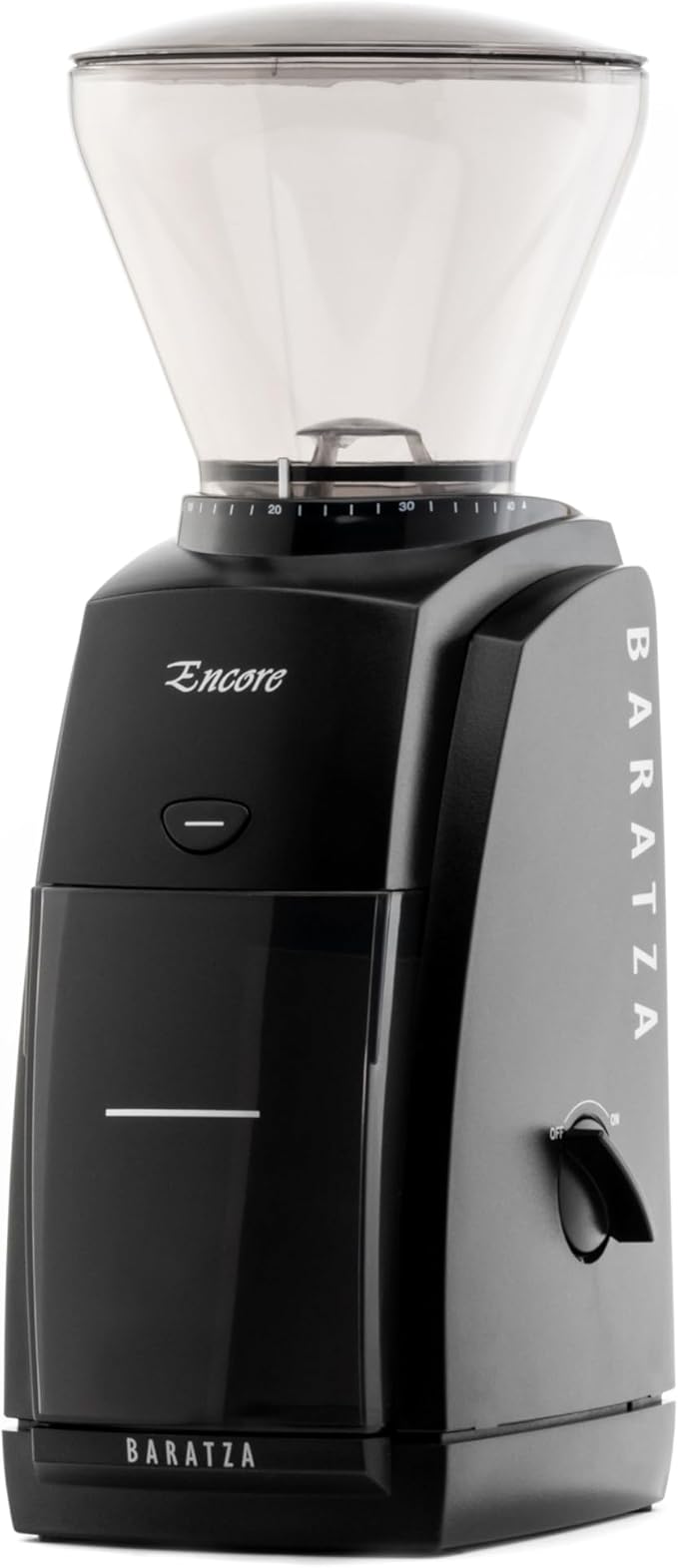
- Invest in a Quality Burr Grinder – Consistency beats price; a 40‑mm conical burr grinder (e.g., Baratza Encore) can be found for $150 and will elevate any method.
- Use a Scale – Measure coffee and water to ±0.1 g; a 100‑g kitchen scale improves repeatability dramatically.
- Control Water Temperature – A gooseneck kettle with temperature control ($80‑$120) eliminates guesswork.
- Freshness is King – Grind beans within 30 minutes of brewing; coffee oxidizes after 15 minutes of exposure.
- Mind the Dose‑to‑Water Ratio – For espresso‑style drinks aim for 1:2 to 1:2.5 (coffee : water). Example: 18 g coffee → 36‑45 ml liquid.
- Pre‑infusion / Bloom – Even when using a Moka or Flair, wet the grounds lightly first; this releases CO₂ and reduces channeling.
- Clean Regularly – Residual oils cause rancidity. Descale metal parts monthly with citric acid solution (1 tbsp per liter).
Key Statistics & Market Trends
The bigger picture: manual and low-cost tools can deliver café-style espresso at a fraction of the cost of pods or high-end machines — which is exactly why the budget methods above are worth mastering.
Frequently Asked Questions
1. Can I achieve real crema with a Moka pot?
No. Crema forms when hot water under 9 bars emulsifies coffee oils and traps CO₂. The Moka’s 1.5 bar pressure is insufficient; you’ll get a dense “foam” on top but not true crema.
2. Do I need to tamp coffee in a Flair NEO?
A light tamp (≈8 kg) is recommended to create an even puck and prevent water channeling. Over‑tamping (≥15 kg) can stall the lever and cause under‑extraction.
3. What grind size should I use for the AeroPress espresso recipe?
Aim for a fine grind—slightly coarser than espresso but finer than drip (around 200 µm). Adjust one notch coarser if the shot is too slow to press.
4. Is it okay to reuse the same coffee grounds for a second pull in a Moka pot?
Repeated extraction drastically reduces flavor and increases bitterness. For optimal taste, use fresh grounds for each brew.
5. How often should I descale my Flair NEO?
Descale every 30‑40 shots or monthly if you use hard water (>150 ppm). Use a 5% citric acid solution, run a brew cycle without coffee, then rinse thoroughly.
6. Can I make cold brew with an AeroPress?
Absolutely. Use a 1:15 coffee‑to‑water ratio, steep for 12‑24 hours in the refrigerator, then press. The result is a smooth, low‑acid cold brew concentrate.
7. Do pod machines really use 19‑20 bars of pressure?
Yes, but the pressure is applied to pre‑ground coffee in a sealed capsule, so the extraction dynamics differ from a free‑flow puck. The high pressure does not automatically translate to superior flavor.
8. What’s the best milk frothing method without a steam wand?
A handheld electric frother or a French press works well. Heat milk to 60‑65 °C, then pump for 15‑20 seconds for a silky micro‑foam suitable for latte art.
9. Will water hardness affect my espresso quality?
Hard water can lead to scale buildup on metal parts, reducing pressure efficiency, and can also mute acidity in the coffee. Use a water filter (e.g., 3‑stage carbon filter) to keep hardness < 100 ppm.
10. Is it worth buying an espresso grinder if I already have a blade grinder?
Yes. Blade grinders produce uneven particle size, leading to channeling and inconsistent extraction. A burr grinder ensures uniformity, which is critical for high‑pressure methods like Flair.
Final Thought
You don’t need a $500 countertop machine to enjoy espresso‑style coffee at home. By understanding the core variables—pressure, temperature, grind, and time—you can harness a simple Moka pot, a versatile AeroPress, or a manual Flair lever to craft drinks that rival café quality, all while saving money and reducing waste. Experiment, measure, and enjoy the process; the perfect home espresso adventure starts with the tool you choose and the care you put into each brew.
Prepared for coffee enthusiasts seeking quality without the premium price tag. Happy brewing!
Affiliate Disclosure
Discussion
Sign in with GitHub to leave a comment. Your replies are stored on this site's public discussion board.