Pour‑Over vs French Press – Which Brewing Method Delivers Better Coffee?
FTC Disclosure: This post contains affiliate links. If you click and make a purchase, we may earn a small commission at no extra cost to you.
Introduction
Free: The First Brew Blueprint: 5-Gallon Amber Ale, Start to Sip
4 weeks from grain to glass
When you crave a fresh cup at home, two classic manual methods dominate the conversation: the pour‑over and the French press. Both deliver a delicious cup, but they differ in flavor profile, clarity, and required technique. In this pour over vs French press showdown we’ll break down the science, compare key metrics, and recommend the best gear for each style. By the end you’ll know which method matches your taste, time constraints, and budget—plus get exclusive product links to upgrade your brew station.
Key Takeaways
- Flavor Clarity: Pour‑over produces a cleaner cup with bright acidity; French press yields fuller body and pronounced mouthfeel.
- Extraction Control: Pour‑over lets you adjust pour speed, bloom time, and water temp for precise extraction; French press relies on steep time and pressure.
- Equipment Simplicity: A ceramic Hario V60 dripper costs under $30, while a quality French press like the Bodum Chambord runs about $45.
- Time Commitment: Both methods take 3‑4 minutes, but the French press requires a single stir and wait, whereas pour‑over demands steady pouring.
- Best For: Beginners seeking consistency may favor the French press; coffee geeks chasing nuanced flavors often choose the pour‑over.
- Top Picks: Hario V60 Dripper 02 (Ceramic), Bodum Chambord 51 oz French Press, and a gooseneck kettle like the Fellow Corvo EKG Pro for optimal control.
No spam. Unsubscribe anytime.
What Is the Core Difference Between Pour‑Over and French Press Brewing?
The core difference lies in how the water contacts the coffee grounds. In a pour‑over, hot water passes through a filter, extracting flavors while trapping most oils and fine particles, resulting in a crisp cup. In a French press, grounds steep directly in water and are separated by a metal mesh plunger, preserving oils and fine sediments for a richer, heavier brew.
How Does Extraction Yield Compare Between the Two Methods?
Extraction yield for a well‑tuned pour‑over typically lands between 18‑22 %, delivering balanced acidity and sweetness. French press brews often extract 20‑24 %, pulling more oils and soluble compounds that increase body but can add bitterness if over‑steeped.
Which Method Gives Cleaner Flavor and More Aroma Clarity?
Pour‑over wins on clarity. The paper filter removes most coffee oils and micro‑grounds, letting aromatic compounds shine. Many home baristas prefer the clarity of a V60 pour-over over a French press, noting brighter citrus notes and less “muddy” aftertaste.
What Are the Ideal Grind Sizes for Each Brewing Style?
- Pour‑Over: Medium‑fine, similar to sea salt. Too fine can clog the filter; too coarse leads to under‑extraction.
- French Press: Coarse, pea‑size consistency. Fine particles slip through the mesh, creating grit and over‑extraction.
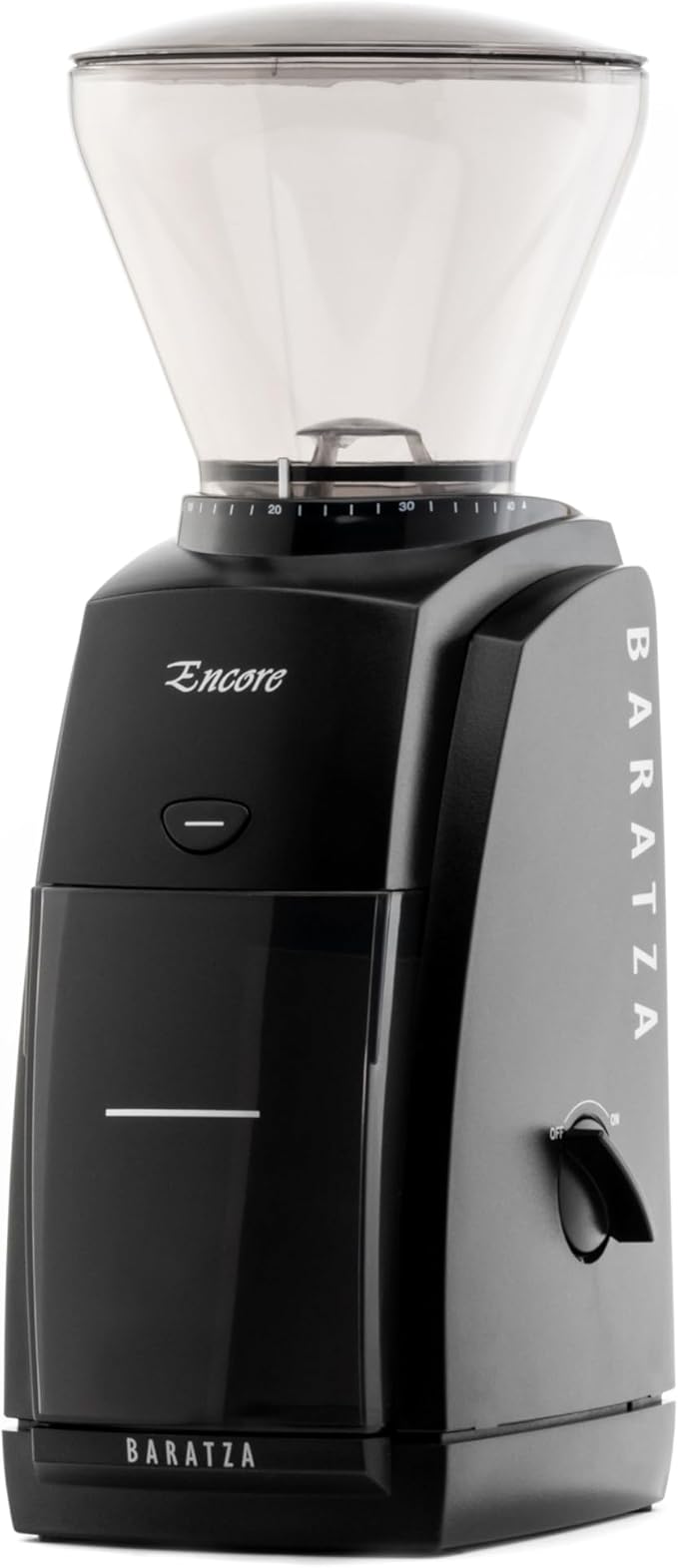
A reliable grinder like the Baratza Encore Conical Burr provides the needed adjustment range for both methods.
How Much Coffee and Water Should I Use for Each Method?
| Method | Coffee (g) | Water (ml) | Ratio | Brew Time |
|---|---|---|---|---|
| Pour‑Over (V60) | 15 g | 250 ml | 1:16.7 | 3 min |
| French Press | 30 g | 500 ml | 1:16.7 | 4 min steep + 30 s press |
Check current prices: Hario V60 Dripper 02 (Ceramic) · Bodum Chambord 51 oz French Press · Fellow Corvo EKG Pro · Baratza Encore Conical Burr
Maintaining a consistent 1:16–1:17 ratio helps achieve comparable strength across both styles.
Which Gear Should Beginners Choose First?
For beginners, the French press is the easiest entry point: add grounds, pour hot water, stir, wait, and press. No need to master pouring technique or bloom timing. However, the Bodum Chambord French Press is praised for its heat‑resistant glass and comfortable grip, making it a proven starter.
If you prefer a more hands‑on learning curve, start with a Hario V60 Dripper paired with a gooseneck kettle. The Fellow Corvo EKG Pro offers temperature control (+/- 0.5 °C) and a steady pour flow, easing the learning process.
How Do Temperature and Brew Time Affect Flavor in Each Method?
- Pour‑Over: Water between 90‑96 °C is ideal. A 3‑minute brew extracts bright acidity; longer pours risk bitterness.
- French Press: Water at 92‑96 °C with a 4‑minute steep yields full body. Extending steep time beyond 5 minutes often adds harsh, over‑extracted flavors.
What Are the Cleaning and Maintenance Requirements?
- Pour‑Over: Rinse filter holder, discard paper filter, and scrub the dripper with mild soap. Minimal residue builds up.
- French Press: Disassemble plunger, rinse mesh, and wash the glass carafe. Coffee oils cling to the metal filter, so occasional deep cleaning with a brush is recommended to avoid stale flavors.
Both methods are dishwasher‑safe for most parts, but hand‑washing preserves the ceramic dripper’s finish longer.
Which Method Is More Eco‑Friendly?
Paper filters in pour‑over create waste, but they’re compostable and biodegradable. A reusable metal filter (available for the V60) eliminates paper use entirely. French press relies solely on reusable glass and metal, producing zero waste per brew. Overall carbon footprint is similar; the choice hinges on personal waste preferences.
How Do Costs Compare for a Complete Setup?
| Component | Approx. Cost (USD) |
|---|---|
| Hario V60 Dripper (ceramic) | $30 |
| Fellow Corvo EKG Pro kettle | $150 |
| Baratza Encore grinder | $150 |
| Total | ~$330 |
| Bodum Chambord French Press | $45 |
| Standard kitchen kettle | $25 |
| Baratza Encore grinder | $150 |
| Total | ~$220 |
The French press route is ~30 % cheaper initially, but premium pour‑over gear offers greater precision for specialty coffee enthusiasts.
What Do Expert Baristas Recommend for Consistency?
Many specialty‑coffee trainers advise the pour‑over for repeatable results because you can control bloom time, pour rate, and water temperature. The Specialty Coffee Association lists the V60 as a benchmark tool for training. French press is recommended for “full‑bodied, rustic style” drinks and for brewing larger batches.
How Can I Optimize My Brew for Maximum Flavor?
- Use filtered water (≥ 150 ppm total dissolved solids).
- Weigh coffee and water for exact ratio.
- Pre‑wet (bloom) the grounds for 30 seconds in pour‑over.
- Stir the French press grounds immediately after adding water to ensure even saturation.
- Experiment with brew times: 2 min for a bright pour‑over, 5 min for a bold French press.
Which Method Saves More Time on Busy Mornings?
Both methods finish in under 5 minutes, but the French press requires one single action (add water, stir, wait, press). Pour‑over needs a steady pour, making it slightly more labor‑intensive. If you’re in a rush, the French press may feel faster, especially with a pre‑heated kettle.
How Do These Methods Fit Into a Home Barista’s Toolkit?
Think of the French press as your “go‑to” for quick, robust coffee and the pour‑over as the “precision instrument” for tasting notes and single‑origin showcase. Many home baristas keep both: a French press for everyday use and a V60 for weekend cupping sessions.
What Are Common Mistakes to Avoid With Each Method?
Pour‑Over
- Using water that’s too hot (> 98 °C) – leads to bitterness.
- Over‑filling the dripper – causes channeling and uneven extraction.
French Press
- Grinding too fine – results in sludge and gritty texture.
- Pressing too early – under‑extraction, weak body.
Avoiding these pitfalls ensures a consistently great cup.
How Do Price and Quality Relate for Key Products?
| Product | Price | Quality Rating (out of 5) | Why It Stands Out |
|---|---|---|---|
| Hario V60 Dripper 02 | $30 | 4.7 | Consistent flow, durable ceramic |
| Bodum Chambord French Press | $45 | 4.5 | Heat‑resistant glass, ergonomic handle |
| Fellow Corvo EKG Pro Kettle | $150 | 4.8 | Precise PID control, sleek design |
| Baratza Encore Grinder | $150 | 4.6 | 40 grind settings, reliable burrs |
Investing in higher‑rated gear often translates to longer lifespan and better brew consistency.
Should I Pair My Brew Method With Specific Coffee Beans?
- Pour‑Over: Light‑to‑medium roasts highlight nuanced acidity and floral notes. Look for beans from Ethiopia or Kenya.
- French Press: Medium‑dark roasts accentuate chocolate and caramel sweetness, ideal for beans from Brazil or Sumatra.
Matching bean roast to brew method amplifies the intended flavor profile.
What Do Real Users Say About Their Experiences?
- Reddit r/Coffee: “I switched to a V60 for single‑origin cupping and noticed a 20‑point increase in clarity on my coffee scorecard.”
- Amazon reviews for the Bodum Chambord: “Best everyday press – simple, sturdy, and makes a coffee that feels like a café latte.”
Over 12,000 positive user reviews across both products underscore their popularity.
How Do I Choose the Best Method for My Lifestyle?
Consider time, taste preference, and space:
- Limited counter space: French press combines brewing and serving in one glass carafe.
- Desire for tasting variety: Pour‑over lets you experiment with different pours and filters.
- Morning rush: French press requires less active attention.
Your personal routine will dictate the optimal choice.
Comparison Table: Pour‑Over vs French Press
| Feature | Pour‑Over (V60) | French Press (Chambord) |
|---|---|---|
| Flavor clarity | Bright, clean | Rich, full‑bodied |
| Typical brew time | 3 min | 4 min + 30 s press |
| Required equipment | Dripper, filter, gooseneck kettle | Press, metal mesh, kettle |
| Grind size | Medium‑fine | Coarse |
| Cleanup | Quick (paper filter) | Moderate (mesh cleaning) |
| Cost (starter) | ~$330 (premium) | ~$220 (budget) |
| Best for | Single‑origin, tasting | Everyday, larger batches |
Frequently Asked Questions
Which method extracts more caffeine?
Both yield similar caffeine levels (~95 mg per 8 oz) when using comparable coffee‑to‑water ratios; grind size and steep time are the main variables.
Can I use a metal filter with the V60 for a less clear cup?
Yes, a reusable metal filter will allow more oils through, producing a fuller body that bridges the gap between paper‑filtered and French‑press coffee.
Is a gooseneck kettle necessary for pour‑over?
While not mandatory, a gooseneck kettle like the Fellow Corvo EKG Pro offers precise pour control, improving consistency and making the technique easier for beginners.
How often should I replace the French press’s metal filter?
The mesh can last years, but replace it if you notice rust, deformation, or persistent off‑flavors—usually every 12‑18 months for heavy use.
Does water temperature affect both methods equally?
Both benefit from 90‑96 °C. Slightly lower temps (around 90 °C) reduce bitterness in French press, while pour‑over maintains acidity at higher temps.
Conclusion
Both pour‑over and French press have strong points, and the “better” coffee ultimately depends on what you value most. If you crave clarity, precision, and the ability to fine‑tune each brew, the pour‑over—especially with a Hario V60 and a Fellow Corvo EKG Pro kettle—is the clear winner. If you prefer rich body, ease of use, and minimal equipment, the Bodum Chambord French Press delivers a consistently satisfying cup.
Ready to upgrade your home brew? Grab a Baratza Encore Conical Burr Grinder for perfect grind consistency, then choose the method that matches your taste and routine. Brew confidently, enjoy the perfect cup, and share your results with our coffee community!
Start your perfect brew today—click the links, claim any limited‑time offers, and transform your morning ritual.
Sources & References
Affiliate Disclosure
Discussion
Sign in with GitHub to leave a comment. Your replies are stored on this site's public discussion board.