Espresso Water Quality Guide: Why Your Water Makes or Breaks Your Coffee
Water is 98% of espresso. Too hard and scale destroys your machine. Too soft and flavor suffers. Learn the SCA water standards, how to test your water, and the best fixes.
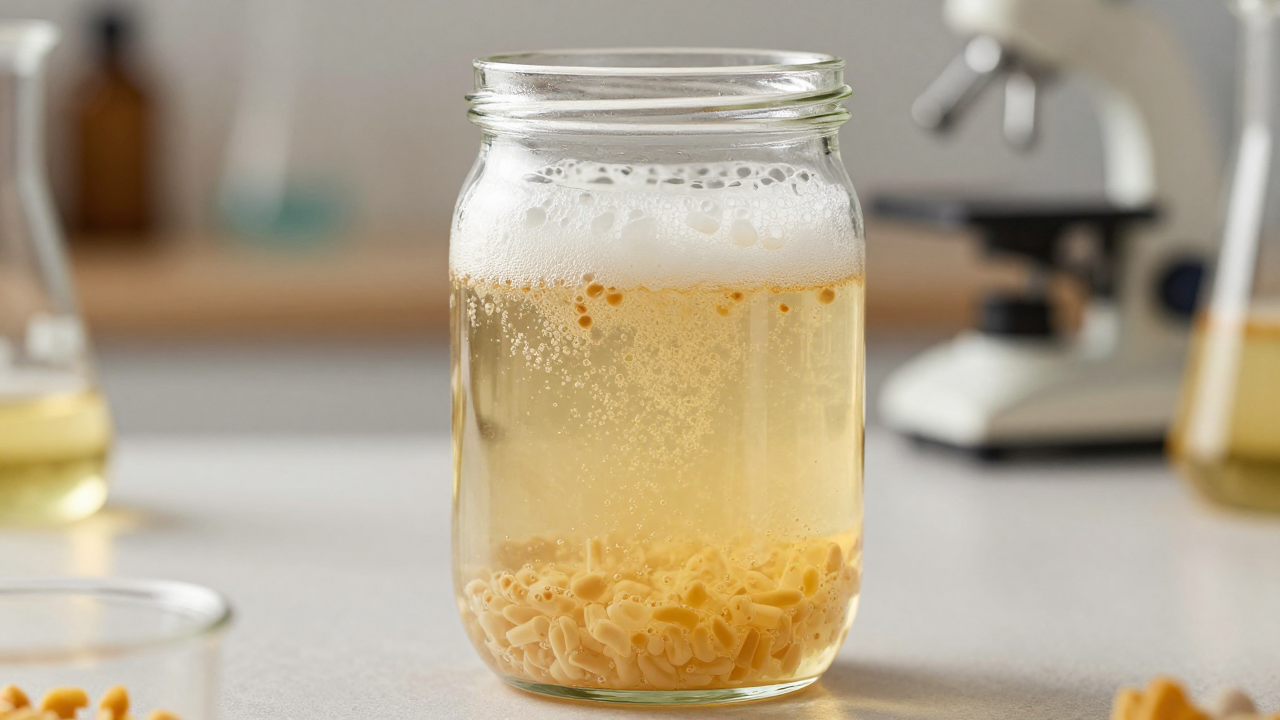
Espresso Water Quality Guide: Why Your Water Makes or Breaks Your Coffee
Water makes up 98% of your espresso. It''s the most overlooked variable in home espresso, and it affects both your coffee''s flavor and your machine''s longevity. Here''s what you need to know.
The Goldilocks Problem
Coffee water has a narrow optimal window. Too soft, and water becomes slightly corrosive — it leaches minerals from your machine''s boiler and grouphead, causing damage over time. It also produces a flat, underdeveloped cup. Too hard, and calcium and magnesium deposits build up inside your machine as scale, clogging pipes and corrupting flavor.
SCA Water Standards for Coffee
The Specialty Coffee Association recommends:
- Total Dissolved Solids (TDS): 75-250 ppm, target 150 ppm
- Calcium Hardness: 17-85 ppm, target 51-68 ppm
- Total Alkalinity: 40 ppm target
- pH: 7.0 (neutral)
- Sodium: under 30 ppm
Most tap water is outside this range — often too hard (above 200 ppm calcium hardness in many US cities) or too soft (some filtered water approaches 0 ppm).
Testing Your Tap Water
A TDS meter ($12-20 on Amazon) measures total dissolved solids in seconds. For more detail, aquarium water test kits measure calcium hardness specifically. This $15-20 investment tells you exactly what you''re working with.
Solutions by Water Type
If your water is too hard (high TDS, high calcium):
- Brita pitcher filter: Removes chlorine and improves taste but does NOT significantly reduce mineral hardness. Not a solution for scale.
- BWT Penguin filter: Specifically exchanges calcium and magnesium ions — genuinely reduces hardness without removing all minerals.
- Third Wave Water mineral packets ($18/box): Add to distilled water to create a precisely calibrated espresso-ready water profile. Excellent option.
If your water is too soft:
- Third Wave Water packets in distilled water is the simplest solution.
- Bottled spring water at 100-150 ppm TDS works well. Check the label.
Advanced approach: Distilled or RO water + custom mineral additions (magnesium sulfate + sodium bicarbonate + calcium chloride). More precision, more effort.
Descaling Schedule
Scale builds proportionally to water hardness and how much you brew.
| Water Hardness | Descaling Frequency |
|---|---|
| Soft (0-60 ppm) | Every 6 months |
| Medium (60-120 ppm) | Every 3-4 months |
| Hard (120-180 ppm) | Every 2-3 months |
| Very hard (180+ ppm) | Monthly |
Signs of scale buildup: reduced flow rate, bitter or off-tasting shots, machine running hotter than usual, or error messages on machines with scale sensors.
Never Use Vinegar
Many guides suggest vinegar for descaling. Don''t. Vinegar leaves acetic acid residue that''s difficult to fully flush, can damage rubber seals and gaskets, and produces an odor that contaminates subsequent shots. Use purpose-made descalers (Dezcal, Cafiza Descaler) or citric acid solution instead.
Related Articles
Single Origin vs Espresso Blends: How to Choose Coffee Beans
Espresso blends offer consistency and forgiving extraction. Single origins deliver terroir-driven complexity. Learn how to choose based on skill level, brew method, and taste.
Best Affordable Espresso Setup Under $500: Machine + Grinder Combos
Three affordable espresso machine and grinder combos under $500: De'Longhi Dedica + Encore, Gaggia Classic + Encore, and Bambino Plus + Virtuoso+ with honest trade-offs.
French Press vs Pour-Over vs AeroPress: Which Brewing Method Wins?
French press, pour-over, and AeroPress each produce a completely different cup. Here's what each method delivers, what gear you need, and who each is best for.