French Press vs Pour-Over vs AeroPress: Which Brewing Method Wins?
French press, pour-over, and AeroPress each produce a completely different cup. Here's what each method delivers, what gear you need, and who each is best for.
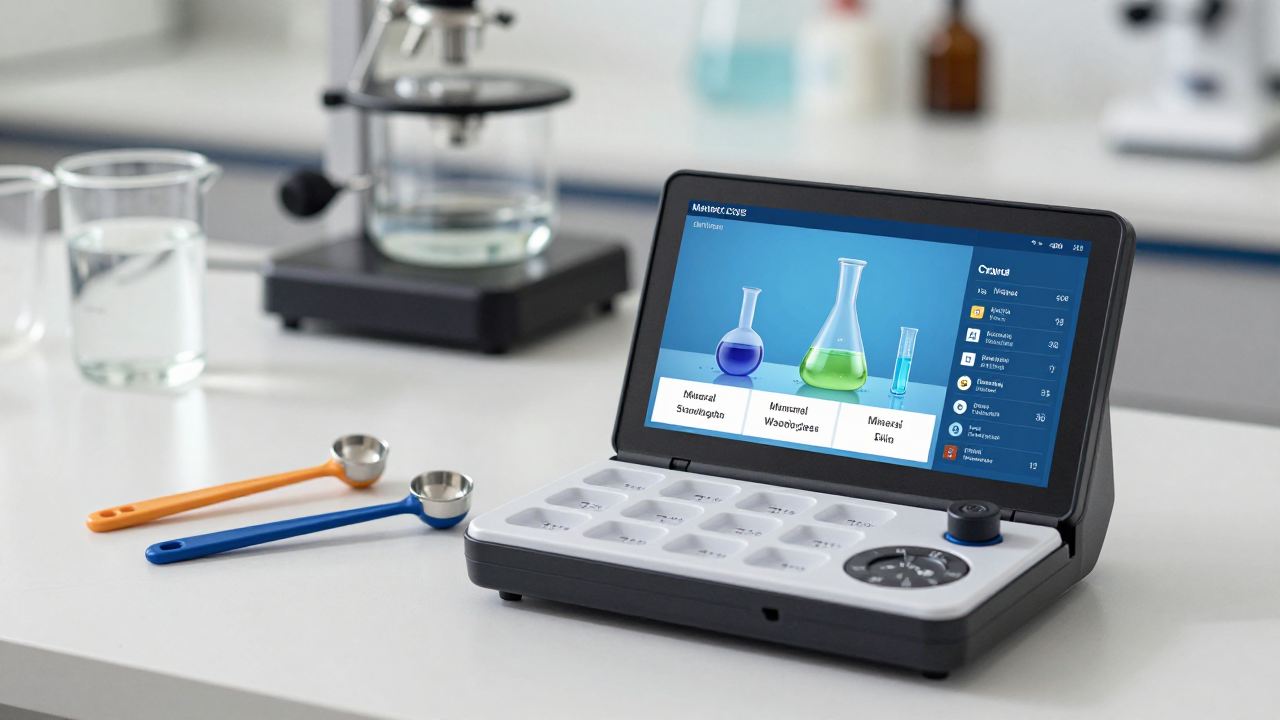
French Press vs Pour-Over vs AeroPress: Which Brewing Method Wins?
No single brewing method is objectively best — they each produce different cups for different people and situations. Here''s an honest breakdown of what each delivers and who each suits best.
French Press: Full Body, Full Immersion
French press is the most forgiving manual brewing method. You add coarsely ground coffee, pour hot water over it, let it steep for 4 minutes, and press the plunger. Simple.
What you get: Full-bodied, rich coffee with a heavier mouthfeel. Some fine particles and oils pass through the metal mesh filter, giving the cup a more robust, less clean character. Many people love this.
What you need: A French press ($20-80), coarse ground coffee, hot water. That''s it.
The learning curve: Almost none. Coarse grind, 4-minute steep, press slowly. The main mistakes are steeping too long (bitter) or grinding too fine (sludge in the cup).
Best for: People who want easy, full-flavored coffee without much technique. Morning coffee drinkers who value body and richness over brightness.
Pour-Over: Clarity and Brightness
Pour-over methods (Hario V60, Chemex, Kalita Wave) use paper filters that remove oils and fine particles, producing a cleaner, brighter, more nuanced cup. You pour water in a slow, controlled spiral over the grounds.
What you get: A cleaner cup that highlights the coffee''s origin characteristics — fruity, floral, or chocolatey notes that a French press might mask. More clarity, less body.
What you need: A dripper ($15-50), paper filters, a gooseneck kettle ($40-80 — the curved spout gives pour control), and a scale. More equipment than French press.
The learning curve: Moderate. You need to manage the bloom (initial pour to release CO2), pouring speed, water temperature, and total brew time (3-4 minutes). Technique matters.
Best for: Coffee flavor maximizers who want to taste origin characteristics. People willing to invest in gear and technique for a better cup.
AeroPress: Fast, Forgiving, Versatile
The AeroPress is a plastic brewing device that uses air pressure to force water through coffee. It brews in 1-2 minutes and is extremely forgiving of variable technique.
What you get: A concentrated, smooth cup with low acidity. Versatile — you can brew espresso-style concentrate or filter-style coffee depending on recipe. No bitterness even if you forget it.
What you need: An AeroPress ($35), filters (paper or metal), and hot water. Compact enough to travel.
The learning curve: Low. Very hard to make a bad cup. Experiment freely.
Best for: Travelers, office workers, people who want good coffee quickly without precision. Also beloved by coffee geeks for experimental recipes.
The Verdict
| Method | Body | Clarity | Technique | Cost | Time |
|---|---|---|---|---|---|
| French Press | High | Low | Easy | Low | 5 min |
| Pour-Over | Low-Med | High | Moderate | Med | 5 min |
| AeroPress | Med | Med-High | Easy | Low | 2 min |
Choose French Press for effortless, rich morning coffee. Choose Pour-Over for the best expression of specialty beans. Choose AeroPress for speed, portability, and versatility.
Related Articles
Single Origin vs Espresso Blends: How to Choose Coffee Beans
Espresso blends offer consistency and forgiving extraction. Single origins deliver terroir-driven complexity. Learn how to choose based on skill level, brew method, and taste.
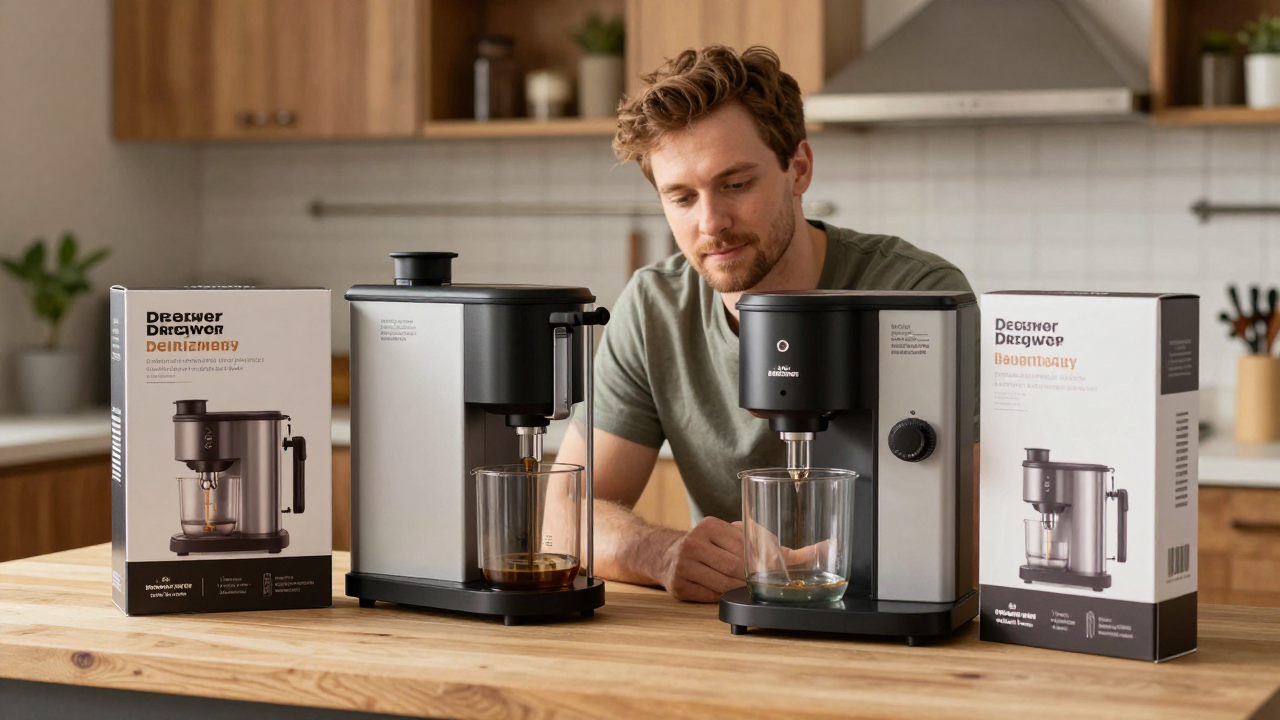
Best Affordable Espresso Setup Under $500: Machine + Grinder Combos
Three affordable espresso machine and grinder combos under $500: De'Longhi Dedica + Encore, Gaggia Classic + Encore, and Bambino Plus + Virtuoso+ with honest trade-offs.
Espresso Water Quality Guide: Why Your Water Makes or Breaks Your Coffee
Water is 98% of espresso. Too hard and scale destroys your machine. Too soft and flavor suffers. Learn the SCA water standards, how to test your water, and the best fixes.